As highlighted in the accompanying video, compiling a comprehensive collection of **baby care kit essentials** is a crucial step for any new parent or caregiver. The arrival of a newborn brings immense joy, but also a significant need for preparedness. Having the right tools on hand can make all the difference in managing common baby needs, from routine grooming to unexpected minor health concerns. This detailed guide expands on those vital items, offering practical insights into their use and why each one is considered indispensable for infant care.
When assembling a newborn care kit, the focus should always be on safety, hygiene, and efficiency. These foundational items are carefully chosen to assist in maintaining your baby’s health and comfort, making daily routines smoother and less stressful. Let’s delve deeper into each essential, understanding its purpose and how it is best utilized.
Essential Healthcare & Safety Tools for Your Baby Care Kit
Ensuring the well-being of a baby often involves quick and precise actions, especially when it comes to health. These items form the backbone of your infant health toolkit, allowing for accurate measurements and gentle interventions.
1. Medicine Dropper
Administering medicine to an infant can be challenging, but a medicine dropper is designed to simplify this task. This tool allows for small, precise dosages of liquid medication to be given directly into a baby’s mouth, minimizing spills and ensuring accuracy. It is often preferred over spoons for very young babies because of the greater control it provides. When selecting a dropper, it is often recommended that one with clear measurement markings be chosen, which assists in preventing over-dosing. After each use, proper cleaning of the dropper is paramount to maintain hygiene and prevent contamination.
2. Digital Thermometer
A baby’s temperature is a critical indicator of their health, and a digital thermometer is an absolute necessity for accurate readings. Rectal thermometers are often recommended by pediatricians for infants due to their reliability. However, temporal (forehead) or axillary (armpit) thermometers can also be used, though their accuracy may vary. Knowing how to correctly take a baby’s temperature and understanding what constitutes a fever are vital pieces of information for any parent. This essential item is one of the first that is reached for when a baby is perceived to be unwell, making it a cornerstone of any **infant care kit**.
3. Aspirator (Nasal Bulb Syringe)
Babies breathe primarily through their noses, and a stuffy nose can significantly impact their feeding and sleep. A nasal aspirator, commonly a bulb syringe, is used to gently clear mucus from a baby’s nasal passages. This simple device is highly effective for helping infants breathe more easily. It is important that the aspirator be used gently, ensuring that only the tip is inserted slightly into the nostril, and then the bulb is squeezed and released to create suction. Regular cleaning after each use is advised to prevent bacterial growth and maintain the hygiene of this crucial baby health tool.
4. Baby Safety Scissors
While often overlooked, a pair of small, blunt-tipped scissors can be invaluable in a **baby care kit essentials**. These specialized scissors are not for grooming nails but for delicate tasks such as carefully cutting away a piece of tangled fabric from an infant’s clothing, trimming medical gauze, or even cutting sticky tape that might be used for bandages. The rounded tips are a critical safety feature, reducing the risk of accidental pokes or cuts when used near a wriggling baby. The thoughtful inclusion of such an item underscores a proactive approach to newborn safety and practical problem-solving.
5. Plastic Tweezers
Tiny splinters or small pieces of debris can sometimes find their way onto a baby’s delicate skin. A set of plastic tweezers, with their soft, blunt tips, offers a safer alternative to metal tweezers for removing such foreign objects. Their design is specifically intended to minimize the risk of pinching or harming the baby’s skin while providing enough grip to extract small items. This tool requires steady hands and a gentle touch, emphasizing the importance of careful handling when dealing with infant comfort and minor irritations.
Gentle Grooming & Hygiene Must-Haves for Your Baby
Maintaining a baby’s hygiene is about more than just cleanliness; it’s about comfort, preventing irritation, and fostering healthy habits from an early age. These grooming essentials are designed with an infant’s delicate nature in mind.
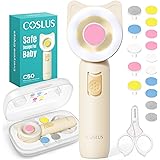
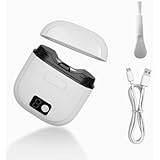
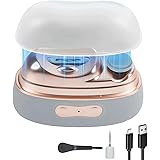
6. Baby Nail Cutter
A baby’s nails, despite being soft, can be surprisingly sharp and grow quickly, leading to accidental scratches to their own face or body. A specialized baby nail cutter or clippers is designed with smaller blades and often a rounded or ergonomic handle to facilitate a safe trim. It is typically recommended that nails be trimmed while the baby is asleep or calm, and that the trimming follows the natural curve of the nail to avoid ingrown nails. Regular nail care is a critical part of **baby grooming**, helping to keep your little one comfortable and scratch-free.
7. Baby Nail Filer
For parents who find nail clippers daunting, or for smoothing any sharp edges left after clipping, a baby nail filer is an excellent alternative or complement. These are often made with a finer grit than adult nail files, specifically designed for delicate baby nails. Filing can be done more frequently and gently, gradually shortening and smoothing the nails without the perceived risk of accidental cuts. Many parents find this method less stressful for both themselves and their infants, particularly in the earliest weeks of a newborn’s life.
8. Baby Toothbrush (Finger Brush)
Even before the first tooth emerges, good oral hygiene is essential for infants. A soft baby toothbrush, often in the form of a finger brush that slips over an adult’s finger, is used to gently clean a baby’s gums and any emerging teeth. This practice helps remove milk residue, stimulates gums, and introduces the concept of oral care early on. Once teeth start to appear, a small amount of fluoride toothpaste (rice grain size) can be used, following a pediatrician’s recommendations. This early introduction to dental care is a cornerstone of long-term health, establishing good habits right from the start of a baby’s life.
9. Soft Baby Hair Brush
A baby’s hair and scalp are extremely delicate. A soft-bristled baby hair brush is used not only for gentle styling but also for managing common conditions like cradle cap. The soft bristles help to gently exfoliate the scalp, loosen flakes, and distribute natural oils, promoting a healthy scalp. Regular, gentle brushing can also be a soothing experience for the baby, becoming a cherished part of their daily routine. This item is fundamental for keeping a baby’s fine hair neat and their scalp healthy.
10. Baby Hair Comb
Complementing the hair brush, a baby hair comb, often with widely spaced, rounded teeth, is perfect for gently detangling a baby’s fine hair. It is particularly useful for longer hair or for working through any knots that might form. Similar to the brush, the comb is designed to be gentle on a sensitive scalp, ensuring that any grooming is a comfortable experience. Both the brush and comb contribute to the overall hygiene and presentation of the baby, making these vital inclusions in any comprehensive **baby care kit essentials**.