Preparing for Arrival: Essential Nursery & Sleep Items
A serene and secure sleeping environment is paramount for a newborn’s development and safety. Considerations are frequently made regarding the primary sleep arrangements and elements contributing to the baby’s comfort during rest periods. Establishing a designated space for sleep is among the initial steps taken in preparing for a baby’s arrival.Comfort and Security: Baby Cot and Mattress
A fundamental component of the nursery is the baby cot, which serves as the primary sleeping area for an infant. Various types of cots are available, ranging from traditional designs to those with adjustable mattress heights, a feature often appreciated as the baby grows. Safety standards are paramount; thus, it is imperative that the cot chosen adheres to current safety regulations, ensuring no gaps exist where a baby could become entrapped. Furthermore, a firm mattress is recommended to prevent suffocation risks, and it should fit snugly within the cot frame without any spaces at the edges.Swaddling for Serenity: Swaddle Sheets
Swaddling, a practice where an infant is wrapped snugly in a blanket, is frequently utilized to mimic the security of the womb and aid in calming the baby. Swaddle sheets are specifically designed for this purpose, often featuring adjustable fasteners or elasticated sections to ensure a secure wrap. It is widely acknowledged that proper swaddling can help prevent the startle reflex, which might otherwise awaken a sleeping baby. However, it must be ensured that the swaddle is not too tight around the hips, allowing for healthy hip development, and that swaddling ceases once the baby shows signs of rolling over.Warmth and Comfort: Blankets and Caps
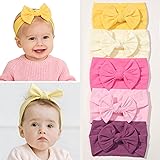
Maintaining an appropriate body temperature is crucial for newborns, whose thermoregulation systems are still developing. Soft, breathable blankets are essential for adding layers of warmth when needed, though care must always be taken to ensure they are used safely, especially during sleep. Similarly, baby caps are often used immediately after birth and in cooler environments to prevent heat loss from the head. Materials such as cotton or bamboo are frequently chosen for their softness and breathability, minimizing the risk of overheating.Dressing Your Little One: Clothing & Accessories
The selection of a newborn’s wardrobe involves considerations beyond mere aesthetics, focusing on comfort, practicality, and ease of care. Babies require several changes of clothing daily, necessitating a thoughtful collection of garments.Softness and Practicality: Newborn Clothes
Newborn clothes are typically chosen for their soft fabrics and ease of changing, as infants require frequent diaper changes and outfit adjustments. It is often recommended that one acquire a range of sizes, including “newborn” and “0-3 months,” as babies grow at varying rates. Essentials often include onesies, bodysuits, sleepsuits, and separates made from breathable materials such as organic cotton, which is gentle on sensitive skin. Furthermore, clothing with snap closures or wide necklines can significantly simplify the dressing process.Protecting Extremities: Mittens, Socks, and Booties
Mittens are frequently used for newborns to prevent accidental scratches from their sharp fingernails, as infants often lack the fine motor control to avoid self-injury. Socks and booties are vital for keeping tiny feet warm, as extremities are prone to cooling quickly. Materials that are soft, non-constricting, and designed to stay on without causing discomfort are generally preferred. It is important that these items are checked regularly to ensure they are not too tight, which could impede circulation.Nourishment & Feeding: Sustaining Your Infant
Feeding a newborn is a primary aspect of infant care, whether through breastfeeding or formula feeding. A range of items is often needed to support this essential function, ensuring proper nutrition and hygienic practices.Breastfeeding Support: Breast Pump
For mothers who choose to breastfeed, a breast pump can be an invaluable tool. It allows for milk expression, which can be stored for later use, offering flexibility and enabling others to feed the baby. Types of pumps include manual, electric, and hospital-grade versions, each offering different levels of efficiency and convenience. A breast pump is also frequently utilized to relieve engorgement or to maintain milk supply when separated from the baby.Formula Feeding Necessities: Feeder, Cleaning Brush, and Formula Milk
Should formula feeding be chosen or become necessary, a feeder (baby bottle) is, of course, essential. A variety of bottle shapes and nipple types are available, which may need to be experimented with to find the best fit for the baby. A dedicated feeder cleaning brush is crucial for thorough cleaning of bottles and nipples, reaching all crevices to ensure hygienic practices. Formula milk itself comes in various forms, such as powder, concentrate, or ready-to-feed, and selection should always be made in consultation with a pediatrician.Mess Management: Bibs with Plastic Sheet and Burp Cloths
Newborns are frequently prone to spitting up or dribbling during and after feedings, making bibs and burp cloths indispensable. Bibs with a plastic sheet backing are particularly useful as they offer an extra layer of protection against moisture soaking through to the baby’s clothing. Burp cloths, which are typically larger and more absorbent, are placed over the parent’s shoulder or lap during burping sessions to catch any regurgitated milk. Having a generous supply of these items is often recommended to manage the frequent messes.Bathing & Hygiene: Keeping Baby Clean
Maintaining a baby’s hygiene requires gentle products and specialized equipment designed for their delicate skin and small size. A consistent routine for bathing and cleaning is often established early on.Gentle Cleansing: Baby Soap, Shampoo, and Oil
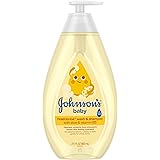
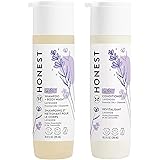
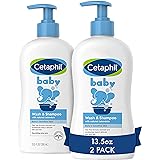
A baby’s skin is exceptionally delicate and sensitive, necessitating the use of mild, hypoallergenic, and often fragrance-free cleansing products. Baby soap and shampoo formulated with a “no-tears” promise are frequently chosen to avoid eye irritation during bath time. Baby oil can be applied after bathing to moisturize the skin and is also often used for gentle infant massages, which are believed to foster bonding and relaxation. It is crucial that products are carefully selected to minimize the risk of skin reactions.Safe Bathing Solutions: Bathtub
A dedicated baby bathtub is a practical investment, providing a safe and comfortable environment for bathing a newborn. These tubs are designed with contoured seats or non-slip surfaces to support the baby and prevent slipping. Some models include temperature indicators or ergonomic designs that elevate the baby, making it easier for parents to bathe them. The use of a baby-specific tub is strongly advised to ensure the infant’s safety during bathing.Post-Bath Comfort: Bath Towel
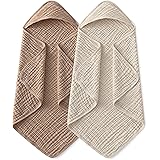
A soft, absorbent bath towel, preferably with a hood, is essential for wrapping a newborn immediately after a bath to keep them warm and cozy. Hooded towels are especially practical as they help to retain heat from the baby’s head, which is particularly vulnerable to heat loss. Opting for towels made from gentle, quick-drying materials like bamboo or organic cotton is often recommended to protect the baby’s sensitive skin.Delicate Care: Wipes (Dry Recommended) and Rash Cream
For diaper changes and general cleaning, wipes are a daily necessity. While pre-moistened wipes are convenient, some parents prefer dry wipes moistened with water or a mild solution, especially for newborns with very sensitive skin, as this can reduce exposure to chemicals. Diaper rash cream is also a crucial item for preventing and treating the common skin irritation known as diaper rash. Applying a barrier cream at each diaper change is often recommended to protect the skin from moisture and irritants.Grooming Essentials: Nail Cutter Kit
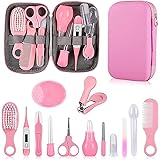
A newborn’s nails, though soft, can be surprisingly sharp and prone to scratching delicate skin. A specialized nail cutter kit, typically including small clippers or blunt-tipped scissors, is essential for safely trimming an infant’s nails. Some kits also contain a tiny nail file. It is generally advised that nails be trimmed when the baby is asleep or calm, and extreme care should always be taken to avoid nicking the skin.Diapering Fundamentals: Keeping Baby Dry & Clean
Diapering is one of the most frequent tasks in newborn care, requiring a steady supply of absorbent products and a hygienic changing area. Preparation in this category significantly eases daily routines.Absorbency and Fit: Diapers (Zero Size)
Diapers are, without question, a non-negotiable newborn baby essential. Zero-size or “newborn” size diapers are specifically designed for infants weighing typically up to 10 pounds. The choice between disposable and cloth diapers is a significant decision for many parents, each option presenting its own advantages regarding convenience, cost, and environmental impact. Regardless of the type, a snug yet comfortable fit is crucial to prevent leaks and ensure the baby’s comfort.Convenience and Hygiene: Diaper Changing Mat
A diaper changing mat provides a designated, hygienic surface for diaper changes, protecting furniture and offering a comfortable spot for the baby. These mats are often made from wipeable materials, allowing for easy cleaning and disinfection after each use. Portable changing mats are particularly practical for outings, enabling parents to change diapers cleanly and conveniently wherever they may be.On-the-Go Essentials: Travel & Outings
Venturing out with a newborn requires specific gear designed for safety, comfort, and convenience. These items ensure that the baby is secure and that parents are well-equipped for any situation away from home.Safe Transit: Car Seat
A car seat is legally mandated and an absolutely critical safety item for transporting a newborn in a vehicle. Infant car seats are specifically designed for the smallest babies, facing rearward to provide optimal protection. Understanding proper installation, whether using the vehicle’s LATCH system or seatbelts, is paramount to ensuring the car seat functions effectively in a collision. It is widely recommended that parents become familiar with the car seat’s instructions well before the baby’s arrival.Outdoor Mobility: Stroller
A stroller provides a convenient means of transporting a baby during walks or outings, offering both comfort for the infant and ease for the parent. Various types of strollers are available, including travel systems that integrate with infant car seats, lightweight models, and more robust full-size strollers. Considerations for selection often include maneuverability, storage capacity, recline options, and overall weight, tailored to the family’s lifestyle.Practical Packing: Baby Bag
A well-organized baby bag is an indispensable item for any parent venturing out with a newborn. This bag is used to carry essential items such as diapers, wipes, a changing mat, spare clothes, feeding supplies, and burp cloths. Many baby bags are designed with multiple compartments and insulated pockets, facilitating efficient organization and quick access to necessary items. A properly stocked baby bag ensures readiness for various situations encountered while away from home.Soothing & Comfort: Pacifiers
Pacifiers are often introduced as a soothing aid for newborns, providing comfort and fulfilling a baby’s natural sucking reflex. While not every baby will take to a pacifier, it can be a valuable tool for calming and settling an infant.Comfort and Development: Pacifier
A pacifier can offer significant comfort to a newborn, particularly during periods of fussiness or when seeking to satisfy non-nutritive sucking needs. Pacifiers are available in various shapes and materials, such as silicone or latex, and finding the right type for an individual baby may involve some trial and error. Proper hygiene, including regular sterilization, is imperative to prevent the accumulation of germs. Guidance on when and how to introduce a pacifier is often sought from healthcare professionals.The Complete Baby Shopping List: Preparing for Parenthood
The anticipation of a newborn’s arrival is a time filled with preparation, and having a comprehensive understanding of necessary items can alleviate much stress. The “30 things” mentioned in the video represent a foundational inventory of newborn baby essentials. Acquiring these items allows for a smoother transition into parenthood, ensuring that basic needs are met and a comfortable, safe environment is established for the newest family member. Careful consideration of each product, prioritizing safety and practicality, will undoubtedly serve parents well in their journey.Navigating the Newborn Aisle: Your Shopping Q&A
What is the main purpose of this baby shopping list?
This guide helps expectant parents prepare for a newborn’s arrival by providing an extensive list of essential items, aiming to reduce overwhelm and ensure a smooth transition into parenthood.
What are the most important items for a newborn’s sleep environment?
Key items include a safe baby cot with a firm mattress, swaddle sheets to help calm the baby, and soft, breathable blankets and caps to maintain an appropriate body temperature.
What kind of clothing should I buy for a newborn?
Focus on soft, breathable fabrics like organic cotton for items such as onesies, bodysuits, and sleepsuits. It’s also recommended to get a range of sizes, including ‘newborn’ and ‘0-3 months’.
What are the basic essentials for feeding a newborn?
Depending on your feeding choice, you might need a breast pump, or baby bottles, a cleaning brush, and formula milk. Bibs and burp cloths are also necessary for managing spills and messes.
Why is a car seat important for a newborn?
A car seat is a legally mandated and critical safety item for transporting your newborn in a vehicle, specifically designed to provide optimal protection during travel.