Does Your Child Really Need a Skincare Routine? Expert Guidance for Parents
As Dr. Jenny Liu, a board-certified dermatologist, explores in the video above, the question of whether kids need a dedicated **skincare routine** is a common one for parents. The answer, as many discover, is a nuanced “yes and no.” While a complex, multi-step regimen isn’t necessary for young children, establishing fundamental habits can significantly benefit their developing skin and overall well-being. For busy parents, integrating simple skincare steps into a nightly routine can even create a calming ritual, helping both child and parent ease into bedtime. The core idea is not about vanity but about protection and health. Just like adults, children’s skin faces environmental stressors, and some, like Dr. Liu’s own daughter, inherit conditions such as eczema that require extra care. Understanding basic principles and knowing which products to choose can make all the difference in nurturing healthy skin from an early age.Building a Gentle Skincare Routine for Children
A foundational **skincare routine for children** focuses on three key pillars: cleansing, moisturizing, and sun protection. For the vast majority of kids before puberty, this simple approach is more than sufficient. Over-complicating things with active ingredients like retinoids or acids, commonly found in adult skincare, is unnecessary and potentially irritating for delicate young skin. The primary goal is to support the skin’s natural barrier function, especially crucial for infants and toddlers whose barriers are not yet as robust as adults’. This barrier acts as the first line of defense against irritants, allergens, and moisture loss. When compromised, it can lead to dryness, irritation, and conditions like eczema.Cleansing Best Practices for Young Skin
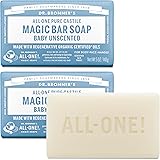
Regular cleansing is important, but how and how often you bathe your child can significantly impact their skin health. Dr. Liu emphasizes that bathing itself doesn’t cause eczema; rather, it’s bathing *without proper moisturization* that can be drying. For children with dry or eczema-prone skin, a well-executed bath routine can actually be soothing and help remove irritants. Consider these key points for cleansing: * **Frequency:** For young children, washing once a day, typically before bed, is often sufficient. It can be a natural part of a relaxing bedtime sequence, like “bath, brush teeth, read books, sleep.” * **Water Temperature:** Always use comfortably warm water, not hot. Hot water strips the skin of its natural oils, leading to dryness and irritation. * **Limit Soap:** Use soap sparingly. Focus on areas that get genuinely dirty, like the diaper area or feet. Even mild cleansers can remove some skin lipids and proteins, temporarily disrupting the skin barrier. Excessive use should be avoided. * **Duration:** Keep baths short, ideally no more than 10-20 minutes. Prolonged water exposure, especially in lukewarm or hot water, can still dehydrating. When selecting cleansers, it’s crucial to choose products free from harsh surfactants and fragrances. These ingredients are common triggers for irritation and can further impair a child’s sensitive skin barrier. Look for gentle, fragrance-free formulations designed for sensitive skin or specifically for babies. These often undergo rigorous testing to ensure they are hypoallergenic and less likely to cause adverse reactions.The Power of Moisturizing: Locking in Hydration
Moisturizing is arguably the most vital step in any **kids skincare routine**, especially for those with dry or eczema-prone skin. The timing of application is just as important as the product itself. Always apply moisturizer to damp skin immediately after bathing or showering. This “prime time” allows the moisturizer to trap water on the skin’s surface, enhancing hydration and barrier repair. Dr. Liu highlights the importance of switching moisturizers based on the season and specific skin needs. * **Winter Months:** Opt for thicker, more occlusive formulations like balms or ointments. Products containing ingredients like ceramides, shea butter, or petroleum jelly (Aquaphor, Vaseline) are excellent choices for providing intense hydration and creating a protective barrier against cold, dry air. These are particularly beneficial for active eczema patches. * **Summer Months:** A lighter, non-greasy lotion may be preferred. Look for formulations that still offer good hydration with barrier-supporting ingredients like ceramides but feel less heavy in warmer, more humid conditions. For children battling eczema, Dr. Liu strongly recommends ointment-based medications when prescribed. The routine would typically involve bath, then a general moisturizer applied all over, followed by the targeted prescription medication applied to specific eczema patches. This layering ensures both general hydration and focused treatment.Understanding Sunscreen for Kids: Essential Protection
Sun protection is a non-negotiable component of any child’s daily health regimen. Forming good sun habits early in life, including consistent sunscreen application and wearing sun-protective clothing, lays the groundwork for lifelong skin health. The risks of sun damage, including sunburn and increased risk of skin cancer later in life, make this step paramount.Sunscreen Age Guidelines & Types
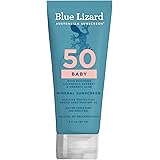
The type of sunscreen suitable for your child depends on their age: * **Under 6 Months:** Sunscreen is generally not recommended. The best approach is to keep infants out of direct sunlight and use protective clothing, wide-brimmed hats, and shade. * **6 Months and Older:** Mineral-based sunscreens are highly recommended. These use zinc oxide and/or titanium dioxide as active ingredients, which sit on top of the skin and physically block UV rays. They are generally well-tolerated by sensitive skin and are less likely to cause irritation. * **3 Years and Older:** While mineral sunscreens remain a safe and effective choice, children in this age group may also use chemical sunscreens if desired. These work by absorbing UV rays and converting them into heat. If opting for chemical sunscreens, ensure they are still formulated for sensitive skin. When choosing a sunscreen, it doesn’t necessarily have to be labeled “for kids” or “for babies.” Many adult mineral sunscreens formulated for sensitive skin are perfectly suitable. In fact, using a broad-spectrum, mineral sunscreen with an SPF of 30 or higher for the entire family can simplify things, eliminating the need for multiple tubes. Look for formulas that are also water-resistant for up to 80 minutes, which is especially beneficial for active children who sweat or play in water.Removing Sunscreen Effectively
Mineral sunscreens, particularly water-resistant formulas, can sometimes leave a white cast and be challenging to remove. While scrubbing with harsh soaps should be avoided, especially for sensitive skin, effective removal is important. Dr. Liu suggests a simple, affordable, and gentle method: using an oil-based cleanser. * **Body Oils:** A basic body oil (like Neutrogena Body Oil) or even coconut oil can act as an effective cleansing balm. Apply a small amount to dry skin, gently massage it to break down the sunscreen, and then rinse or follow with a gentle cleanser to remove any residue. This helps dissolve the oil-soluble components of sunscreen without irritating the skin barrier.Recommended Products for a Child’s Skincare Routine
Drawing from her professional and personal experience, Dr. Liu often recommends specific brands known for their gentle, effective formulations. These products generally focus on repairing the skin barrier and minimizing irritants. For **Cleansers and Moisturizers**: * **CeraVe Line:** Both their general and baby lines are highly regarded. Products like CeraVe Hydrating Facial Cleanser or CeraVe Baby Wash & Shampoo are excellent choices, often containing ceramides to support the skin barrier. * **Dove Sensitive Skin:** The Dove Sensitive Skin Beauty Bar is a favorite for adults in Dr. Liu’s family, and their Baby Head to Toe Body Wash Sensitive Moisture provides an all-in-one option for children. * **La Roche-Posay Lipikar Line:** The Lipikar AP+ Gentle Foaming Moisturizing Wash and the Lipikar AP+M Triple Repair Body Moisturizing Cream are noted for their hydrating and barrier-repairing properties, especially beneficial for very dry or eczema-prone skin. For **Sunscreens**: * **Neutrogena Sensitive Skin Sunscreen Lotion SPF 60+:** Praised for its mineral formulation, which is similar to their baby version. * **CeraVe Baby Sunscreen Lotion:** A mineral sunscreen that is also water-resistant for up to 80 minutes, making it ideal for active kids. * **La Roche-Posay Anthelios Mineral 50:** A family-friendly mineral sunscreen suitable for both face and body. * **Thinkbaby and Blue Lizard:** Both brands offer excellent baby and mineral formulations, often appearing on top recommendation lists. Ultimately, the most important aspect of a **kids skincare routine** is consistency and simplicity. By focusing on gentle cleansing, consistent moisturization on damp skin, and diligent sun protection, parents can establish healthy habits that protect their children’s skin today and for years to come.Unraveling Young Skin: Your Dermatologist Q&A
Does my child really need a skincare routine?
While a complex routine isn’t needed, establishing fundamental habits like gentle cleansing, moisturizing, and sun protection can significantly benefit your child’s developing skin and overall well-being.
What are the most important steps in a child’s skincare routine?
A foundational skincare routine for children focuses on three key pillars: gentle cleansing, consistent moisturizing, and diligent sun protection.
How should I cleanse my child’s skin, and how often?
Washing once a day with comfortably warm water is often sufficient. Use mild, fragrance-free cleansers sparingly on dirty areas, and keep baths short to avoid drying out the skin.
When is the best time to apply moisturizer to my child’s skin?
Always apply moisturizer to damp skin immediately after bathing or showering. This helps to trap water on the skin’s surface, enhancing hydration and repairing the skin barrier.
What kind of sunscreen should I use for my child, and at what age?
For infants under 6 months, use protective clothing and shade, avoiding sunscreen. For children 6 months and older, mineral-based sunscreens with zinc oxide or titanium dioxide are highly recommended.