Navigating the delicate world of infant skin care presents a unique set of challenges for new parents. Ensuring the proper health and integrity of a baby’s skin requires specialized knowledge and appropriate preventative measures to mitigate common issues.
Fortunately, understanding the intrinsic differences between infant and adult skin provides the foundational insight needed to implement an effective skincare regimen. This comprehensive guide, complementing the expert advice in the video above, delves into the nuances of infant skin care, offering detailed strategies for maintaining epidermal health and preventing dermatological concerns.
Understanding the Unique Qualities of Baby’s Skin
An infant’s skin, a marvel of biological development, possesses structural and functional distinctions that significantly differentiate it from mature adult skin. The primary distinction lies in the dermal barrier, which remains incompletely formed during the initial months of life. This immature barrier leads to increased transepidermal water loss, rendering the skin highly susceptible to dryness and external irritants.
Furthermore, an infant’s thermoregulatory capabilities are notably less efficient compared to adults. Vasodilation, the widening of blood vessels near the skin surface, occurs more readily in babies, causing them to lose heat more quickly. Consequently, maintaining a stable body temperature for infants necessitates an additional layer of clothing compared to what adults might wear in similar cool environments, thereby preventing hypothermia.
Essential Steps for Protecting Baby’s Skin from Dryness
Due to its predisposition for dryness, an effective baby’s skin care routine must prioritize consistent moisturization and the avoidance of harsh substances. Implementing these proactive measures helps to reinforce the nascent skin barrier, which is crucial for overall skin health and resilience.
It is imperative to refrain from applying irritating ingredients such as garlic, cloves, or cumin directly onto the baby’s skin. These substances contain compounds capable of causing contact dermatitis, manifesting as redness, inflammation, and discomfort for the infant. Instead, focus on gentle, barrier-supporting formulations that are specifically designed for delicate skin.
The Benefits of Baby Massage and Appropriate Oils
Body massage has been widely recognized for its profound benefits on infant health, extending beyond mere relaxation to include improved circulation and neurological development. When performing a baby massage, selecting the correct oil is paramount to ensure skin safety and therapeutic efficacy.
Plain coconut oil or a high-quality, unscented baby oil is generally recommended for this purpose. However, incorporating camphor, certain essential oils, or pungent spices like cloves and garlic into these massage oils should be strictly avoided due to their potential to cause severe skin irritation or adverse reactions. A simple, pure oil ensures the integrity of the baby’s delicate epidermal layer.
Optimal Bathing Practices for Infant Skin Care
Bathing an infant requires careful consideration of water temperature and post-bath care to prevent common skin issues. Lukewarm water is ideal, striking a balance that prevents heat loss while simultaneously avoiding skin irritation or burns often associated with excessively hot water.
Crucially, after bathing, meticulous attention must be paid to thoroughly drying all body folds, particularly areas such as the neck, underarms, groin, and between the thighs. These concealed regions tend to retain moisture, creating an environment conducive to the proliferation of fungal infections, such as intertrigo, which thrive in damp conditions. Proper drying techniques are therefore indispensable for preventive care.
Strategies for Preventing and Managing Diaper Rash
Diaper dermatitis, commonly known as diaper rash, represents a prevalent dermatological concern among infants, with peak incidence observed between six and eight months of age. This condition arises from prolonged exposure to moisture, friction, and irritants found in urine and feces, which can disrupt the skin’s barrier function.
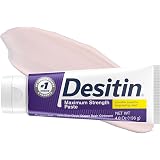
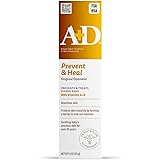
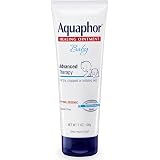
To proactively prevent diaper rash, the consistent application of a plain zinc oxide diaper rash cream to the buttock and groin areas is highly effective. Zinc oxide functions by forming a protective occlusive layer on the skin’s surface, creating a physical barrier against irritants. This mechanism prevents direct contact between the skin and potentially harmful substances, significantly reducing the likelihood of developing rash.
Additionally, providing the baby with several hours of diaper-free time daily allows the skin to air out, reducing humidity and inhibiting microbial growth. For instances of persistent or severe diaper rash, substituting commercial disposable diapers with soft cotton nappies can offer a gentler alternative, minimizing friction and allowing greater breathability for the compromised skin. This approach helps to alleviate existing irritation while simultaneously promoting healing.
Selecting Appropriate Body Lotions for Infant Hydration
The application of a suitable body lotion is an integral component of an effective infant skin care regimen, providing essential hydration and reducing the incidence of redness, itching, or irritation. The selection process should prioritize formulations that support the delicate skin barrier without introducing potential irritants.
A variety of lotions are expertly formulated to cater to the specific needs of baby skin. For instance, some highly effective options include ingredients such as glycerin, mineral oil, xylitol, and mannitol. Glycerin functions as a humectant, drawing moisture into the skin, while mineral oil acts as an occlusive agent, sealing in hydration. Conversely, xylitol and mannitol contribute to the skin’s natural moisturizing factors, enhancing overall barrier function.
Another excellent choice might contain soothing ingredients like chamomile extract, renowned for its anti-inflammatory and calming properties, which can provide significant relief for sensitive skin. However, when considering scented products, parents often express concerns about potential irritants. Dermatological review processes involve rigorous testing and consultation with scientific teams to ensure product safety, even for formulations containing fragrance. It is crucial to distinguish between product ranges; for example, safety concerns regarding certain powders may not extend to lotions, creams, or oils from the same brand.
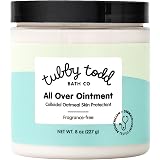
Furthermore, lotions enriched with oat extracts offer substantial benefits due to their potent anti-inflammatory properties. Colloidal oatmeal has been extensively studied for its ability to soothe irritated skin and reinforce the epidermal barrier, making it an excellent choice for maintaining comfort and skin integrity.
Considerations for Baby Powder Use
While baby powder has historically been a staple in infant care, modern dermatological consensus advises against its routine use due to significant inhalation risks. Regardless of brand or formulation, the fine particles in powders can be easily inhaled by infants, potentially causing respiratory distress or lung irritation, especially when applied near the face.
However, if powder use is deemed necessary for specific areas, such as the underarms or groin, extreme caution must be exercised. Application should be minimal, and the baby should always be positioned facing away from the powder source to minimize the risk of inhalation. Prioritizing liquid or cream-based solutions for moisture absorption is generally a safer alternative for comprehensive baby’s skin care.
Dermatologist Q&A: Nurturing Your Baby’s Delicate Skin
Why is a baby’s skin different from an adult’s?
A baby’s skin barrier is not fully developed, which makes it more susceptible to dryness and external irritants. They also lose body heat more quickly than adults.
How can I protect my baby’s skin from dryness?
Consistent moisturization is important, and you should avoid harsh ingredients like garlic or strong spices. Instead, use gentle products designed for delicate skin.
What kind of oil should I use for a baby massage?
Plain coconut oil or a high-quality, unscented baby oil is recommended. You should strictly avoid camphor, certain essential oils, or pungent spices.
What is the best way to prevent diaper rash?
Apply a plain zinc oxide diaper rash cream to the diaper area regularly. Also, give your baby some diaper-free time each day to let their skin air out.
Should I use baby powder on my infant?
It’s generally advised against using baby powder routinely because the fine particles can be inhaled, potentially causing respiratory issues. Liquid or cream-based solutions are safer for moisture absorption.