Mastering Essential Newborn Baby Care Routines
Navigating the early days with a newborn can feel overwhelming. New parents often face a steep learning curve. Basic tasks like changing a baby’s diaper or giving a newborn bath become major undertakings. This article, complementing the video above, simplifies these crucial newborn baby care routines. We offer practical, step-by-step guidance. Our goal is to build your confidence and make caring for your little one a joyous experience.
Mastering the Art of Newborn Diaper Changes
Changing your baby’s diaper is a core part of newborn baby care. It ensures comfort and hygiene. Frequent changes prevent common skin issues. Understanding the process makes it less daunting.
Why Frequent Diaper Changes Matter
Newborns need many diaper changes. They can wet or soil diapers up to 10-12 times daily. Wetness irritates sensitive skin. Fecal matter contains bacteria. Regular changes prevent diaper rash. This keeps your baby happier and healthier.
Essential Diaper Changing Supplies
Preparation is key. Gather all items before you start. This ensures safety and efficiency.
- **Clean Diapers:** Always have a fresh one ready.
- **Wipes:** Choose gentle, unscented wipes. Water-dampened cloths also work well.
- **Diaper Cream/Ointment:** Apply as a barrier. It protects against moisture.
- **Changing Pad/Surface:** A clean, safe area is essential. Always use safety straps.
- **Small Bin:** For immediate disposal of soiled diapers.
Step-by-Step Diaper Changing Guide
Changing a baby’s diaper becomes second nature quickly. Follow these steps for a clean, comfortable change.
- **Prepare Your Space:** Lay your baby on the changing surface. Ensure all supplies are within reach. Never leave your baby unattended.
- **Remove Soiled Diaper:** Unfasten the tabs. Lift your baby’s legs gently. Use the front of the soiled diaper. Wipe away large messes.
- **Clean Thoroughly:** Use wipes to clean from front to back. For girls, this prevents urinary tract infections. For boys, clean all creases. Use fresh wipes as needed. Pat dry the area.
- **Apply Cream (If Needed):** A thin layer of diaper cream helps prevent rash. It creates a protective barrier.
- **Apply New Diaper:** Slide a fresh diaper under your baby. Ensure the tabs are at the back. Pull the front up between the legs. Fasten the tabs snugly. It should not be too tight.
- **Dress and Wash Hands:** Redress your baby. Wash your hands thoroughly. Dispose of the soiled diaper properly.
Preventing Diaper Rash Effectively
Diaper rash is common. Up to 35% of babies experience it. Preventing it is better than treating it. Change diapers frequently. Keep the area clean and dry. Use a good barrier cream. Allow diaper-free time daily. This air exposure helps skin breathe. Consult a pediatrician for persistent rashes.
Making Baby Bath Time a Joyful Experience
Baby bath time offers more than just cleanliness. It’s a special bonding opportunity. A gentle routine soothes your baby. It helps them relax before sleep.
When to Bathe Your Newborn
Newborns do not need daily baths. Two or three times a week is often enough. Sponge baths are recommended initially. Continue these until the umbilical cord stump falls off. Wait for complete healing. Then transition to a small baby tub.
Safety First: Preparing for Bath Time
Safety is paramount during bath time. Gather everything before starting. Never leave your baby alone in the bath.
- **Baby Bathtub:** Choose one designed for newborns.
- **Warm Room:** Ensure the bathroom is comfortably warm.
- **Water Temperature:** Test water with your elbow. It should be lukewarm, about 98-100°F (37-38°C). Fill only 2-3 inches of water.
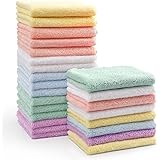
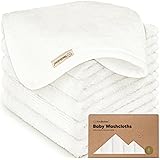
- **Soft Washcloths and Towels:** Have a hooded towel ready.
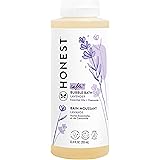
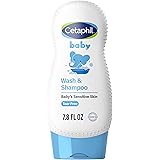
- **Gentle Baby Cleanser/Shampoo:** Opt for tear-free, mild formulas.
- **Clean Diaper and Outfit:** Ready for after the bath.
Gentle Bathing Techniques
Make bath time calm and comfortable. Support your baby’s head and neck at all times. Use a gentle, reassuring voice.
- **Gentle Immersion:** Slowly lower your baby into the tub. Support their head with one arm. Keep their body submerged enough for warmth.
- **Wash Head First:** Use a small amount of baby shampoo. Gently massage the scalp. Rinse carefully. Avoid water in the eyes.
- **Clean Body:** Use a wet washcloth. Start from the top down. Pay attention to creases. Clean behind the ears, neck folds, and diaper area. Use a mild cleanser sparingly.
- **Rinse Thoroughly:** Ensure all soap is rinsed off. Soap residue can irritate skin.
Post-Bath Care for Delicate Skin
The post-bath routine is just as important. It prevents chilling and maintains skin health.
- **Quick Drying:** Wrap your baby immediately in a hooded towel. Pat them dry gently. Focus on all skin folds.
- **Moisturize:** Apply a fragrance-free baby lotion. This locks in moisture. It prevents dryness.
- **Diaper and Dress:** Put on a clean diaper. Dress your baby in comfortable clothes.
- **Cuddles:** Enjoy some skin-to-skin contact. This strengthens your bond.
Establishing Soothing Newborn Routines
Babies thrive on predictability. Establishing newborn routines helps them feel secure. It also makes your day more manageable. Integrating diapering and bathing into a consistent schedule benefits everyone.
The Benefits of Predictable Schedules
Routines provide structure. They help babies distinguish between day and night. Consistent feeding and sleep patterns emerge. This can reduce fussiness. Parents also gain a sense of control. This predictability is calming for the entire family. Studies suggest consistent routines improve infant sleep quality by up to 15%.
Integrating Diapering and Bathing into Daily Life
Think about when these activities best fit. Diaper changes are frequent throughout the day. Bath time often becomes part of an evening wind-down. For instance, a common evening routine might include: a bath, gentle massage, feeding, and then sleep. This sequence signals to your newborn that bedtime is near. Consistency in these newborn baby care moments builds strong, positive associations for your baby, fostering a sense of security and well-being.
Newborn Know-How: Your Q&A on Diaper Changes, Bathtime, and Routines
How often do newborns need their diapers changed?
Newborns often need frequent diaper changes, typically up to 10-12 times daily, to ensure comfort and hygiene and prevent skin irritation.
What essential supplies do I need to change a baby’s diaper?
You will need clean diapers, gentle wipes, diaper cream, a clean changing pad or surface, and a small bin for immediate disposal of soiled diapers.
How often should I bathe my newborn baby?
Newborns generally do not need daily baths; two or three times a week is often sufficient. It’s recommended to give sponge baths until the umbilical cord stump falls off and heals.
What is the correct water temperature for a baby’s bath?
The bath water should be comfortably lukewarm, ideally around 98-100°F (37-38°C). You can test the temperature with your elbow to ensure it’s safe for your baby.
What is diaper rash and how can I prevent it?
Diaper rash is a common skin irritation caused by prolonged wetness and bacteria. You can prevent it by changing diapers frequently, keeping the area clean and dry, using a barrier cream, and allowing for diaper-free time.