It is important for everyone to understand that visiting the doctor is a normal part of staying healthy, and this is especially true for children. As seen in the video above, a doctor checkup for kids is a friendly experience designed to ensure young ones are growing well and feeling their best. These visits are not just for when someone is feeling sick; they are a key part of preventive care, helping children to maintain good health over time.
When a child goes to the doctor, a series of routine checks are performed. The doctor, often with help from a nurse, will carefully assess various aspects of a child’s health. This typically includes a conversation with the child and their parents to understand how the child is feeling, followed by a physical examination. The goal is always to keep children healthy and happy.
Understanding Your Child’s Doctor Visit
A doctor’s visit, particularly a routine check-up, involves several key steps that are designed to monitor a child’s development and general health. These appointments are often referred to as “well-child visits” because they focus on keeping children well.
What Happens During a Check-up?
During a typical check-up, several measurements and observations are made. For instance, a child’s height and weight are usually recorded to track growth patterns over time. This information is vital for ensuring that a child is developing at a healthy pace. Blood pressure may also be taken, and the child’s temperature is often checked to rule out any fever.
Furthermore, a doctor will often listen to a child’s heart and lungs using a special tool called a stethoscope, as mentioned in the video. The sounds of these organs can provide important information about their function. The doctor may also gently check the child’s ears, nose, and throat. These checks are all part of making sure the body is working correctly and that there are no signs of illness.
It is common for questions to be asked about a child’s eating habits, sleeping patterns, and how they are doing in school or with friends. These questions help the doctor understand the child’s overall well-being and identify any areas where support might be needed. Sometimes, vaccinations are also given during these visits to protect against various diseases.
Essential Medical Tools Doctors Use
Doctors and nurses utilize a variety of tools to perform thorough examinations, many of which can seem quite interesting to children. Beyond the stethoscope, which is used for listening to the heart and lungs, there are other common instruments that assist in a comprehensive doctor checkup for kids.
- Otoscope: This small instrument is used to look inside the ears, helping the doctor to check for infections or other issues.
- Tongue Depressor: A flat stick used to gently hold down the tongue so the doctor can get a clear view of the throat and tonsils.
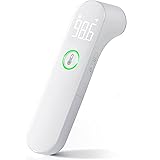
- Thermometer: Essential for checking body temperature, it helps identify if a child has a fever. Modern thermometers are quick and gentle.
- Reflex Hammer: This small hammer is used to test reflexes, like the knee-jerk reflex, which can give clues about the nervous system.
- Blood Pressure Cuff: An inflatable cuff that wraps around the arm to measure blood pressure, indicating the force of blood flow in the arteries.
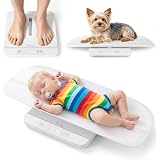
- Scale and Stadiometer: These are used to measure a child’s weight and height, critical metrics for tracking growth.
These tools are all designed to help doctors gather important information about a child’s health in a non-invasive way. Often, the doctor will explain what each tool does, which can help ease any worries a child might have.
The Vital Role of Nurses in Medical Care
As Nurse Nancy highlighted in the video, nurses are incredibly important members of the healthcare team. They work closely with doctors and play a crucial role in providing care and support to patients, especially children. Nurses are often the first people a child and their family interact with during a visit.
A nurse’s responsibilities are varied and extensive. For example, before the doctor enters the room, a nurse often takes initial measurements like height, weight, and temperature. These “vital signs” provide basic but critical health data. Nurses also often ask about the child’s current symptoms, medical history, and any concerns the parents might have. This information is then passed on to the doctor, ensuring a comprehensive understanding of the child’s health needs.
Nurses are also key in administering medications, giving vaccinations, and providing clear instructions on how to care for a child at home, such as how to take medicine or care for a bandage. Their comforting presence and clear explanations can make a significant difference in a child’s experience at the doctor’s office, helping to make the visit as positive as possible.
Exploring Different Types of Doctors for Kids
While the video introduced the general idea of a doctor and specifically mentioned an optometrist (eye doctor) and a veterinarian (animal doctor), there are many specialized types of doctors who care for children. Each specialist focuses on a particular area of health, ensuring that every part of a child’s body can receive expert attention.
Pediatricians: The Children’s Doctors
For most children, the primary doctor is a pediatrician. A pediatrician is a medical doctor who specializes in the health and medical care of infants, children, and adolescents. They are trained to understand the unique needs of growing bodies and minds, from infancy through the teenage years. Pediatricians manage acute and chronic illnesses, provide preventive health services, and track development milestones.
Beyond the General Check-up: Other Important Specialists
In addition to pediatricians, several other specialists may be visited as a child grows or if specific health needs arise:
- Family Doctors (General Practitioners): These doctors care for patients of all ages, including children, and can provide comprehensive primary care.
- Dentists: These are doctors who specialize in oral health. Regular visits to the dentist are essential for keeping teeth and gums healthy, preventing cavities, and ensuring proper dental development.
- Optometrists/Ophthalmologists: As seen with Billy, an optometrist checks eyes for vision problems and can prescribe glasses. An ophthalmologist is a medical doctor who also performs eye surgery and treats more complex eye conditions.
- Dermatologists: These specialists treat skin conditions, such as rashes, acne, and other skin irritations common in children.
- Orthopedists: If a child experiences a bone fracture or has issues with their muscles or joints, an orthopedist is the doctor to see. They specialize in the musculoskeletal system.
- Veterinarians: As highlighted in the video with Buddy, veterinarians are crucial for the health of beloved pets. They are animal doctors who ensure that furry, feathered, or scaled family members stay healthy.
It is understood that seeing these different types of doctors helps ensure all aspects of a child’s health, from their vision to their dental health and even the well-being of their pets, are properly looked after. Each specialist plays a valuable role in a comprehensive healthcare plan.
Making a visit to the doctor a positive experience for children is often a shared effort between parents and healthcare providers. By explaining what will happen, using simple language, and emphasizing the importance of staying healthy, children can learn to feel comfortable and confident during their doctor checkup for kids.
Our Community’s Doctors: A Social Studies Q&A
Why is it important for kids to go to the doctor?
Visiting the doctor is important for children to stay healthy and ensure they are growing well. These visits are a normal part of preventive care, helping kids maintain good health over time.
What usually happens during a child’s doctor check-up?
During a check-up, the doctor will measure height and weight, check temperature, and use a stethoscope to listen to the heart and lungs. They also gently examine the ears, nose, and throat to make sure everything is working correctly.
What are some common tools doctors use during a visit?
Doctors use tools like a stethoscope to listen to your heart and lungs, an otoscope to look in your ears, and a thermometer to check your temperature. They also use a scale and stadiometer to measure your weight and height.
What is the role of a nurse at the doctor’s office?
Nurses are very important and often take initial measurements like height and weight, and ask about how a child is feeling. They also help give vaccinations and explain how to care for a child at home.
What kind of doctor takes care of children specifically?
A pediatrician is a special type of doctor who focuses on the health and medical care of babies, children, and teenagers. They are trained to understand the unique needs of growing kids.