For parents, grandparents, and caregivers alike, the constant companion in the journey of raising young children is often a packet of baby wipes. These seemingly innocuous essentials are stashed in diaper bags, found by changing stations, and even kept in the car for quick clean-ups, becoming indispensable for daily routines. Yet, the convenience and widespread use of these products often mask a more complex reality beneath their gentle touch.
Indeed, while we rely on baby wipes to clean delicate skin, remove makeup, or tackle sticky fingers, a deeper look into their composition reveals critical considerations. The trust we place in these everyday items deserves scrutiny, particularly when questions arise about ingredient safety and environmental responsibility. It’s a bit like assuming all fruit is healthy simply because it’s natural; a closer inspection might reveal pesticides or genetic modifications. The recent investigation by Consumer Reports, as highlighted in the video above, sheds light on the hidden truths behind many popular brands, urging us to become more discerning consumers for the sake of our children and the planet.
Unmasking the Ingredients: What’s Really in Your Baby Wipes?
The quest for safe and effective baby wipes led Consumer Reports to team up with the independent organization Made Safe, delving into the extensive ingredient lists of 15 different brands. This collaborative effort brought to light some surprising findings: a significant portion, seven out of the 15 brands examined, contained ingredients deemed concerning or unclear. This revelation acts as a crucial wake-up call, prompting consumers to scrutinize labels more closely than ever before.
The Shadowy Side of Chemical Components in Baby Wipes
Many of us assume that products designed for infants are inherently safe, yet the investigation revealed that some baby wipes contain potentially harmful chemicals. These aren’t just minor irritants; certain compounds present in wipes have been linked to serious health risks, including various cancers. For instance, common preservatives like phenoxyethanol or parabens, while preventing microbial growth, raise red flags due to potential endocrine-disrupting properties or allergic reactions. It’s like a silent alarm, barely audible but signaling a potential danger lurking in everyday products.
Companies like Coterie and Costco, when questioned, indicated using very small amounts of specific chemicals as preservatives or skin conditioning agents. Pampers, another major brand, asserted that their ingredients and products undergo rigorous safety testing. While these statements aim to reassure, the cumulative effect of low-dose chemical exposure from multiple sources, known as the “cocktail effect,” remains a pressing concern for many health advocates. This situation is akin to filling a bathtub drop by drop; each drop seems insignificant, but eventually, the tub overflows with consequences.
The Environmental Footprint of Conventional Baby Wipes
Beyond human health, the investigation underscored another critical issue: the environmental impact of baby wipes. A vast number of these products are manufactured from plastics, materials that simply do not break down in nature. These wipes contribute significantly to landfill waste, where they can persist for hundreds of years, releasing microplastics into ecosystems. Imagine a plastic bag dropped into the ocean; that’s the scale of persistence we are talking about with millions of plastic-based baby wipes.
The environmental dilemma posed by plastic-based baby wipes extends far beyond landfills. When these materials disintegrate, they fragment into microplastics, tiny particles that permeate our soil, water, and even the air we breathe. These microscopic invaders can enter the food chain, affecting wildlife and, ultimately, human health. Embracing plant-based, biodegradable baby wipes is not merely a trend; it represents a crucial step towards mitigating this growing environmental crisis, offering a sustainable alternative that aligns with ecological responsibility.
The pH Puzzle: How Balance Impacts Baby’s Skin
Another often-overlooked factor in baby wipe formulations is pH balance. The investigation noted that some brands have a low pH balance, which can irritate sensitive skin. A baby’s skin barrier is delicate and still developing, making it more susceptible to external aggressors. An imbalanced pH in baby wipes can disrupt this natural barrier, leading to dryness, redness, and an increased risk of diaper rash or other skin sensitivities. Maintaining a neutral to slightly acidic pH, similar to the skin’s natural mantle, is paramount for safeguarding a baby’s epidermal health, much like ensuring the right soil pH for a thriving garden.
Smart Choices for Safer Wipes: Navigating the Market
Given the complexities, how can parents make informed decisions when shopping for baby wipes? Consumer Reports offers clear guidance, emphasizing ingredient transparency and sustainable practices. The good news is that several brands are stepping up to offer better alternatives that prioritize both baby safety and planetary well-being, often without a hefty price tag. Finding these products requires a discerning eye, but the effort is certainly worthwhile for peace of mind.
Recommended Biodegradable and Safer Baby Wipes
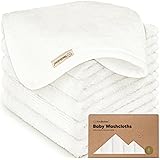
Among the better choices highlighted for their biodegradability and safer ingredient profiles are wipes from Healthy Baby, The Honest Company, Caboo, and WaterWipes. These brands typically champion plant-based materials and avoid a long list of questionable chemicals. Opting for wipes made from bamboo, cotton, or wood pulp reduces the reliance on synthetic plastics, offering a gentler touch on the environment as well as on a baby’s skin. Choosing these options is like selecting whole grains over processed foods; both fulfill a need, but one provides significantly more benefits.
Essential Tips for Shopping for Baby Wipes
- Avoid Potentially Harmful Chemicals: Become a label detective. Look out for ingredients like parabens, phthalates, formaldehyde-releasing preservatives, and specific synthetic fragrances.
- Opt for Plant-Based Biodegradable Wipes: Seek out certifications or clear labeling indicating plant-derived materials and biodegradability. This choice helps to reduce plastic waste and lighten our ecological footprint.
- Go Fragrance-Free: Synthetic fragrances are a common source of allergens and skin irritants. Selecting fragrance-free baby wipes minimizes the risk of adverse reactions, especially for infants with sensitive skin or allergies.
Beyond the Purchase: Usage and Disposal Considerations
The journey with baby wipes doesn’t end at the checkout counter; how we use and dispose of them also plays a crucial role in safety and environmental impact. Misguided practices can inadvertently create health hazards or contribute to significant infrastructure problems, turning a simple convenience into a complex issue.
The Risks of Wipe Warmers
Many parents consider a wipe warmer a thoughtful luxury, believing it provides a soothing experience for their baby during diaper changes. However, as the video highlighted, storing baby wipes in a warmer may seem like a good idea, but it can unfortunately transform into a breeding ground for bacteria. The warm, moist environment creates an ideal habitat for microbial growth, potentially exposing a baby to harmful pathogens. This scenario is akin to leaving food out at room temperature; what seems harmless can quickly become a health risk.
The FDA further supports caution regarding temperature extremes. Fluctuations, such as those experienced in a hot car, can actually alter the chemical composition of baby wipes. Specifically, elevated temperatures can break down the preservatives designed to protect against bacteria and mold, accelerating microbial growth. This breakdown renders the wipes less hygienic and potentially harmful, undermining their intended purpose of cleanliness and safety. It’s a critical reminder that even the most well-intentioned convenience can harbor unseen dangers.
The Truth About “Flushable” Baby Wipes
Despite product labels that often proclaim “flushable,” Consumer Reports strongly advises against flushing baby wipes down the toilet. This recommendation is not just about personal plumbing but extends to municipal sewage systems and the broader environment. Unlike toilet paper, which is designed to rapidly disintegrate in water, most so-called “flushable” wipes retain their structural integrity for much longer. They might disappear down your toilet bowl, but they don’t dissolve, creating a deceptive illusion of flushability.
These resilient baby wipes accumulate in pipes, forming dense, non-biodegradable clogs known as “fatbergs” when combined with grease and other waste. These monstrous blockages wreak havoc on plumbing systems, leading to costly repairs, sewer overflows, and environmental contamination. Flushing these wipes is comparable to tossing a durable cloth into a delicate machine; it might seem to go in, but it inevitably causes damage. Therefore, the safest and most responsible way to dispose of any baby wipes, regardless of their “flushable” claim, is always in the trash.
Decoding the Details: Your Q&A on Our Baby Wipes Investigation
Why should I be careful when choosing baby wipes?
Baby wipes can contain chemicals potentially harmful to your baby’s delicate skin, and many contribute to environmental pollution because they are made with plastics.
What kinds of harmful ingredients might be in baby wipes?
Some baby wipes may contain preservatives like phenoxyethanol or parabens, which have been linked to health concerns or can cause allergic reactions. It’s important to check the ingredient list.
How do baby wipes affect the environment?
A lot of baby wipes are made from plastics that don’t break down, leading to increased landfill waste and the release of microplastics into our environment. Plant-based, biodegradable wipes are a better option.
Can I flush baby wipes down the toilet if they say ‘flushable’?
No, it’s best not to flush any baby wipes, even if they claim to be ‘flushable.’ Unlike toilet paper, they don’t dissolve easily and can cause expensive clogs in your plumbing and sewage systems.