The journey to parenthood is often filled with a unique blend of excitement, anticipation, and a healthy dose of preparation. As expecting parents count down the final weeks to their baby’s arrival, the urge to ‘nest’ kicks in, prompting a flurry of activity to get everything ready. From organizing tiny baby clothes to setting up essential gear, this crucial period ensures a smooth transition into life with a newborn. The video above provides a fantastic visual guide to one expecting mom’s meticulous approach to nursery organization for new parents, demonstrating how to tackle the many tasks involved in preparing for baby.
For many first-time parents, the sheer volume of baby items can feel overwhelming. Deciding where everything goes and how to make it all functional requires careful planning. This comprehensive guide builds upon the valuable insights shared in the video, offering expanded tips and considerations to help you create a well-organized, stress-free environment for your little one.
Establishing the Ultimate Nursery Organization System: Dressers & Closets
A well-organized nursery dresser and closet are foundational to efficient baby care. As seen in the video, separating items by size and type can save precious time when you’re sleep-deprived. Starting this process around 35 weeks into pregnancy allows ample time to sort through gifts and hand-me-downs.
Streamlining Baby Clothes and Essentials
Baby clothes, while adorable, can quickly become a chaotic mess without a system. Begin by washing all new and hand-me-down clothing with a gentle, baby-friendly detergent. Once clean, the real organization begins.
- **Size-Based Sorting:** Babies grow incredibly fast. Organizing clothes into clear categories like newborn, 0-3 months, 3-6 months, and 6-9 months is essential. This helps you quickly find what fits and allows you to store larger sizes for future use without cluttering daily drawers. Consider using drawer dividers, like the versatile options shown in the video, which can be adjusted to fit different drawer depths.
- **Type-Specific Grouping:** Within each size, further sort by type: sleepers, daytime outfits, pants, and special occasion wear. Designate specific sections or smaller bins for items like bibs, hats, and socks. These small items are easily lost and benefit greatly from dedicated storage.
- **Burp Cloths and Muslin Blankets:** Keep these practical necessities readily accessible. Placing them in an easily reachable drawer or a basket on top of the dresser, as demonstrated, ensures they are always at hand for spit-ups or quick swaddles. Muslin cloths, often sold in multi-packs, are incredibly versatile for various uses.
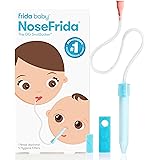
- **Hygiene and Diaper Cream:** A dedicated spot for baby hygiene items, such as a nose aspirator, thermometer, and diaper cream, is critical. Keep these together for quick access during diaper changes or illness. A small caddy or a designated section within a dresser drawer works perfectly.
Maximizing Closet Space for Baby Gear
Beyond clothes, the nursery closet often houses bulkier baby gear and supplies. Utilize shelves, bins, and hanging space effectively.
- **Extra Diapers and Wipes:** Storing extra packs of diapers and wipes in the closet saves trips to the store and ensures you’re always stocked. Consider breaking down larger boxes into smaller, more manageable stacks for easy access.
- **Baby Carriers and Manuals:** A designated spot for baby carriers like a Babybjorn, and all product manuals for items like strollers or monitors, is incredibly useful. This keeps important instructions and warranty information safe and easy to find when needed.
- **Future Toys and Supplies:** Allocate a shelf or bin for newborn toys, especially high-contrast black and white toys that are stimulating for early development. This also provides space for items you won’t use immediately, like toddler toothpaste, preventing clutter in active areas.
- **Seasonal and Out-of-Rotation Clothes:** Use hanging rods for special outfits or two-piece sets that might get wrinkled in drawers. Adjustable baby hangers with clips, as highlighted in the video, are excellent for keeping matching sets together.
Crafting a Functional Bedside & Bathing Station
Preparing dedicated zones for nighttime care and bathing can significantly ease the demands of newborn life. The video expertly shows how to set up these critical areas.
The Essential Bedside Diaper Cart and Bassinet Setup
For the first few months, your baby will likely sleep in your bedroom. A portable diaper cart next to your bed can be a game-changer for nighttime changes and feedings.
- **Diaper Diversity:** Expecting parents often receive various diaper brands. It’s smart to try different types, starting with unscented options like Honest Company or Coterie, before moving to scented ones like some Pampers varieties. This helps you identify what works best for your baby’s sensitive skin and your preferences. Don’t worry about using different brands; finding the right fit and absorbency is key.
- **Cart Contents:** Stock your rolling cart with newborn diapers, wipes, nipple balm (for nursing parents), a couple of soft blankets, and burp cloths. Keep a few swaddles or sleep sacks, like the Halo sleep sack, in the bottom section for easy access. This ensures you have everything needed for midnight wake-ups without leaving your bedroom.
- **Bassinet Ready:** Ensure your bassinet, especially one with wheels, is clean and ready. Check if sheets are a custom size and order them well in advance, as certain brand-specific items can sell out or be difficult to find. A portable baby monitor clip, like the Nanit Flex accessory, is a brilliant solution for monitoring in a bassinet without permanent wall mounts, offering flexibility if you move the bassinet.
Organizing the Baby Bath Routine
Bathing a newborn requires a specific setup to ensure safety and comfort. Designate a spot in your bathroom for baby bath essentials.
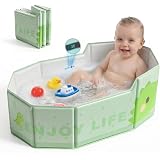
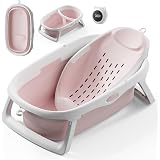
- **Baby Bathtub Storage:** Consider a baby bathtub that fits inside your main tub or on a counter if you have ample space. Storing it within a larger tub when not in use, as shown in the video, can be a great space-saving solution.
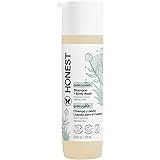
- **Bath Time Essentials:** Group items like baby wash, lotion, washcloths (Burt’s Bees is a popular choice), and a cradle cap scrubber together. Keeping them easily accessible near the bath area means you won’t be scrambling mid-bath. Always test water temperature with your elbow or a thermometer to ensure it’s comfortably warm, not hot.
Beyond the Basics: Tech, Decor, and Postpartum Preparedness
Nesting encompasses more than just physical items; it also includes setting up vital technology and preparing for your own recovery.
Smart Tech for Sleep and Monitoring
Modern baby care involves some technology designed to ease the parenting journey.
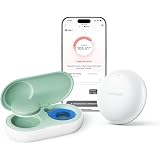
- **Sound Machines:** A sound machine like the Hatch Rest is highly recommended by many parents. It provides soothing background noise (like brown noise, which is popular for sleep) and often includes a night light. The red light setting is particularly useful for midnight feedings and changes, as it’s less disruptive to a baby’s sleep cycle compared to brighter lights. While setting up technology can feel daunting, most devices, like the Hatch, are designed to be user-friendly with app controls for schedules and settings.
- **Baby Monitors:** Beyond the Nanit Flex clip for flexible placement, consider the features of your chosen monitor. Look for options with clear video, two-way audio, and secure connections to give you peace of mind.
- **Car Seat Mirror:** A simple baby mirror for the car is essential for keeping an eye on your little one in a rear-facing car seat. When deciding which car to install the car seat in first, consider your family’s driving habits. If one parent will be home for an extended period, it often makes sense to install it in their primary vehicle first, then move it if routines change.
Thoughtful Nursery Decor and Art
Decorating the nursery is a joyful part of nesting, transforming the room into a peaceful haven for your baby.
- **Functional Decor:** Opt for decorations that are also functional, such as acrylic bookshelves. These provide an elegant way to display baby books while keeping them within reach for story time. When choosing shelves, ensure they are sturdy and securely mounted for safety.
- **Personalized Art:** Wall art can tie a room together beautifully. Brands like Desenio, a Swedish company known for affordable, high-quality, and unique prints designed in-house, offer a vast selection. Using a sponsored code (like RACHEL for 45% off prints and 10% off frames until October 31st at desen.io/rachelvinn) can make personalized decor more accessible. Remember to choose art that complements your minimal or chosen aesthetic and consider safety by avoiding heavy items directly above the crib.
Preparing for Postpartum Recovery
While focusing on the baby, don’t forget to prepare for your own postpartum recovery. This is a crucial step for new moms.
- **Postpartum Kit:** Assemble a kit of essentials like the Frida Mom postpartum products, including a peri bottle, ice pads, healing foam, and wipes. Also include your own pads, liners, and disposable underwear. Designate a specific drawer in your bathroom for these items, making them easily accessible during your recovery period.
- **Emotional Transition:** The act of clearing out “trying to conceive” (TTC) items and replacing them with postpartum essentials can be deeply emotional. Acknowledge this significant milestone in your journey to motherhood. Remember that this phase, whether reached through IVF or other paths, is a testament to perseverance and hope for many expecting parents.
Final Touches and Safety Considerations
As you near your due date, a few final checks ensure a safe and ready environment for your baby.
- **Securing Furniture:** Prioritize securing dressers and bookshelves to the wall with anti-tip kits. While your baby won’t be crawling immediately, it’s a critical safety measure to complete before they become mobile.
- **Bottle Preparation:** Sterilizing bottles, nipples, and pump parts is an important step. Running them through a dishwasher on a sanitize cycle or using a dedicated sterilizer ensures they are clean and ready for use. If you’re unsure about frequent bottle use, a compact drying rack is a good starting point, and you can always expand your setup later.
- **Diaper Bag Readiness:** Pack your diaper bag with essential items like a few diapers, wipes, a change of clothes, a burp cloth, and a small toy. Keep it easily accessible near the door or with the stroller.
The nesting phase is a deeply personal and often emotional journey. By breaking down the tasks into manageable steps and leveraging insights from experienced parents, you can create a functional, organized, and loving space for your little one. Effective nursery organization for new parents is not just about tidiness; it’s about preparing for the joys and challenges of parenthood with confidence and peace of mind.
Chirping In With Your Nesting Q&A
What does ‘nesting’ mean for expecting parents?
Nesting is the instinctual urge expecting parents feel to prepare their home, especially the nursery, for the baby’s arrival in the final weeks of pregnancy. It involves organizing and setting up baby essentials.
Why is it important to organize the baby’s nursery before they are born?
Organizing the nursery beforehand creates an efficient and stress-free environment, helping new parents quickly find what they need and manage baby care more easily, especially when tired.
How should I organize my baby’s clothes?
Start by washing all clothes with a baby-friendly detergent. Then, sort them by size (like newborn, 0-3 months) and by type (sleepers, outfits, bibs) using drawer dividers to keep things tidy.
What items should I put in a bedside diaper cart?
A bedside diaper cart should include newborn diapers, wipes, a nipple balm (if nursing), a few soft blankets, burp cloths, and swaddles or sleep sacks for easy access during nighttime changes and feedings.
Do I need to sterilize baby bottles before using them?
Yes, it is important to sterilize all new bottles, nipples, and pump parts before their first use. You can do this with a dishwasher’s sanitize cycle or a special sterilizer to ensure they are clean.