A staggering 80% of common infectious diseases are known to be transmitted by touch, highlighting the critical importance of hygiene education from an early age. The accompanying video offers a concise visual overview of fundamental practices; nevertheless, a deeper understanding of these child hygiene habits is essential for nurturing robust health. Establishing effective children’s hygiene routines early significantly contributes to healthy living for children and minimizes the risk of infection.
Consequently, parents and caregivers are increasingly seeking comprehensive guidance on instilling these vital lessons. This expanded discussion provides detailed insights into key hygiene practices, offering practical strategies for seamless integration into daily family life. Furthermore, a proactive approach to personal cleanliness supports not only individual wellness but also broader community health.
The Foundation of Lifelong Well-being: Understanding Child Hygiene
The immune systems of young children are still developing, rendering them particularly susceptible to various pathogens and illnesses. Good hygiene practices, therefore, serve as a primary defense mechanism against the pervasive threat of infections. When these habits are consistently reinforced, children are empowered to protect themselves from common ailments.
Moreover, the acquisition of personal cleanliness routines extends beyond physical health benefits. It instills a sense of responsibility and self-care that is invaluable for social development and overall well-being. Ultimately, the cultivation of strong hygiene principles establishes a framework for a healthier, more independent future.
Cultivating Essential Hygiene Habits in Young Minds
Implementing specific daily routines is paramount for teaching child hygiene habits effectively. Each practice is designed to mitigate the spread of germs and foster a clean environment. The following nine essential habits are considered foundational for all children.
1. Consistent Handwashing Techniques
Handwashing is widely regarded as the most effective method for preventing the transmission of germs. Children must be taught to wash their hands thoroughly with soap and water for at least 20 seconds. This duration is approximately equivalent to singing “Happy Birthday” twice, providing an easily remembered benchmark.
Specific moments for handwashing should be emphasized, including before eating, after using the restroom, and following outdoor play or contact with pets. Pathogens are routinely transferred from various surfaces to the hands; consequently, proper washing is critical for infection prevention.
2. Regular and Thorough Bathing Routines
Daily bathing or showering is crucial for removing dirt, sweat, and bacteria that accumulate on the skin throughout the day. A suitable mild soap and warm water should be used to gently cleanse the entire body. The importance of washing specific areas, such as armpits and groin, must be explained clearly.
Furthermore, regular bathing prevents skin irritations and body odor, fostering a sense of freshness and confidence. Establishing a consistent schedule, such as bathing before bedtime, often aids in smooth integration into the child’s routine.
3. Diligent Oral Hygiene Practices
Proper dental care begins with twice-daily brushing of teeth, typically in the morning and before bed. A soft-bristled toothbrush and fluoride toothpaste, in an age-appropriate amount, should be utilized for a duration of two minutes. This practice prevents cavities and gum disease, which can significantly impact overall health.
In addition to brushing, flossing should be introduced once teeth begin to touch, usually around age two or three. Regular dental check-ups are also highly recommended to monitor oral health and reinforce good habits.
4. Attentive Nail Care and Cleaning
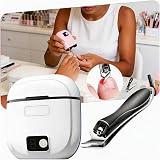
Fingernails and toenails can harbor dirt, germs, and bacteria beneath their surfaces, potentially leading to infections if ingested. Regular trimming of nails, typically once a week, is therefore an important hygiene measure. A clean nail brush or a soft cloth may be used to gently clean under the nails.
It is paramount that children are discouraged from biting their nails, as this provides a direct route for germs to enter the body. This habit often requires consistent gentle redirection and alternative soothing strategies.
5. Practicing Proper Cough and Sneeze Etiquette
Respiratory droplets released during coughing or sneezing are a primary vector for the spread of viruses and bacteria. Children should be taught to cover their mouth and nose with a tissue when coughing or sneezing. If a tissue is unavailable, the crook of the elbow is the preferred alternative to the hands.
Immediately after coughing or sneezing, the hands should be washed thoroughly, especially if they have come into contact with the face. This simple practice significantly reduces the transmission of airborne pathogens in shared spaces.
6. Maintaining Clean and Healthy Hair
Regular washing of hair prevents the buildup of oil, dirt, and dead skin cells, which can contribute to scalp issues and unpleasant odors. The frequency of hair washing depends on the child’s hair type and activity level, but typically a few times a week is sufficient. A mild, child-friendly shampoo should be utilized.
Furthermore, regular hair washing and brushing also help in detecting and preventing common issues like head lice. Teaching children not to share combs, brushes, or hats is another critical measure for lice prevention.
7. The Importance of Regular Clothing Changes
Clothing accumulates dirt, sweat, and environmental allergens throughout the day, necessitating regular changes. Fresh clothes should be worn daily, particularly after physical activities or exposure to dirty environments. This habit contributes to personal freshness and skin health.
Furthermore, clean clothing can prevent skin irritations and allergic reactions that might be triggered by accumulated residues. Children should be encouraged to place dirty clothes in a designated laundry hamper, fostering organizational skills alongside hygiene.
8. Proper Footwear Hygiene
Feet are often overlooked in hygiene routines, yet they are susceptible to various fungal and bacterial infections, such as athlete’s foot. Wearing clean socks daily is a fundamental practice for maintaining foot hygiene. Socks absorb sweat and reduce friction, creating a less hospitable environment for pathogens.
Additionally, shoes should be aired out regularly and cleaned as needed. Children should be taught to dry their feet thoroughly after bathing, especially between the toes, to prevent moisture-related issues. This meticulous attention to foot care is often overlooked.
9. Responsible Personal Item Usage
Children must be educated on the importance of not sharing personal items such as toothbrushes, combs, water bottles, or towels. Each of these items can transfer germs and bacteria from one person to another. This understanding fosters respect for personal space and health boundaries.
Moreover, toys and frequently touched surfaces in a child’s environment should be cleaned regularly. Shared items in play areas, for instance, are significant vectors for germ transmission and warrant periodic disinfection.
Strategies for Effective Hygiene Education
Teaching these habits requires patience, consistency, and a positive approach from caregivers. Making hygiene fun through songs, games, or colorful charts can significantly increase a child’s engagement and retention. Children often learn most effectively by observing and imitating adult behavior.
Therefore, adults must model excellent hygiene practices themselves, demonstrating the importance of each step. Furthermore, positive reinforcement, such as praise for a job well done, encourages the child to continue these routines. Age-appropriate explanations regarding why these habits are important will foster a deeper understanding.
Developing these child hygiene habits is a continuous process that strengthens over time with consistent effort. The long-term benefits of these practices extend far beyond childhood, forming the bedrock for a lifetime of healthy living for children. Ultimately, investing time in teaching children’s hygiene contributes significantly to their overall well-being and resilience against illness, promoting an infection-free future.
Clean Habits Q&A: Your Guide to Infection-Free Kids
Why is it important for children to learn hygiene habits?
Learning hygiene habits helps children protect themselves from common illnesses and infections, especially since their immune systems are still developing. It also teaches them responsibility and self-care for a healthier future.
What is the most effective way for children to prevent the spread of germs?
The most effective way for children to prevent the spread of germs is through consistent and thorough handwashing with soap and water. They should wash their hands for at least 20 seconds.
How often should children brush their teeth?
Children should brush their teeth twice a day, usually in the morning and before bed. They should use a soft-bristled toothbrush and fluoride toothpaste for two minutes each time.
What should a child do when they cough or sneeze?
When coughing or sneezing, children should cover their mouth and nose with a tissue. If no tissue is available, they should use the inside of their elbow, and then wash their hands thoroughly afterwards.