As highlighted in the accompanying video from Dad University, mastering the art of changing a baby’s diaper is not merely a practical necessity; it is a fundamental aspect of active parenting and a profound opportunity for connection. While some may view this task as a mere chore, approaching it with intention transforms it into a valuable bonding experience. This guide builds upon the expert tips shared by Jason Kreidman, providing a comprehensive overview to help new parents feel confident and prepared.
1. Why Changing a Diaper Matters for Bonding
The act of changing a baby’s diaper extends far beyond basic hygiene. It represents one of the most frequent one-on-one interactions a parent will have with their infant throughout the day. These moments, even if brief, are crucial for fostering a secure attachment and building trust between parent and child.
During a diaper change, direct eye contact is often established, which is vital for infant development and emotional connection. Talking, singing, or simply smiling at your baby while performing this routine task helps create a positive association and strengthens the parent-child bond. This consistent engagement reinforces the baby’s sense of security and being cared for.
2. Essential Supplies for Diaper Changing Success
Preparation is key to a smooth diaper change, particularly when dealing with a messy situation. It is generally advised that all necessary items be gathered and placed within arm’s reach before the process begins. This proactive approach prevents the need to step away from the baby, minimizing potential safety risks and maintaining a calm environment.
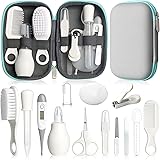
A well-stocked diaper changing station should typically include:
- Clean diapers (ensure the correct size is available).
- Baby wipes (sensitive or water-based options are often preferred for delicate skin).
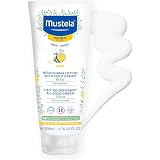
- Diaper cream or ointment (for prevention and treatment of diaper rash).
- A changing pad or a soft, clean blanket (preferably waterproof or with a washable cover).
- Optional: Disposable changing pad liners, small plastic bags for soiled diapers, a distraction toy.
3. Setting Up Your Baby Diaper Changing Station
While a dedicated changing station or table is a popular choice, diaper changes can effectively be performed on various flat, comfortable surfaces. The speaker in the video demonstrates changing a diaper on the floor, which is a safe and practical option, especially for mobile infants. Other common locations include a bed, a dresser with a changing pad, or even a car seat during travel.
When selecting a surface, prioritize safety above all else. If an elevated surface such as a changing table or dresser is utilized, maintaining constant physical contact with the baby is non-negotiable. A hand should always be kept on the baby to prevent falls, as even a momentary turn of the head can lead to an unexpected movement from the infant. An expert tip often recommends positioning the baby with their head slightly elevated above their feet; this can enhance comfort and potentially aid digestion.
4. Step-by-Step Guide to Changing a Baby’s Diaper
A methodical approach to changing a baby’s diaper can make the process efficient and stress-free for both parent and child. Following these steps helps ensure thorough cleanliness and proper diaper application.
4.1. Secure the Baby and Prepare the Area
Once the baby is placed on the chosen surface, ensure their safety by keeping one hand gently but firmly on them, especially if on an elevated platform. Next, unfold a clean diaper and slide it underneath the dirty one, positioning the tabs of the clean diaper towards the baby’s lower back. This foresight acts as a protective layer for the changing surface against any unexpected messes during the process.
4.2. Open the Soiled Diaper with Care
Carefully unfasten the tabs of the dirty diaper. It is observed by many parents that babies often react to the sudden exposure of open air by urinating. To manage this potential occurrence, it is advised that the diaper be opened slowly. If the baby begins to urinate, the opened diaper can be briefly folded back to contain the flow, then reopened once the baby has finished. This proactive measure can prevent widespread messes.
4.3. Effective Wiping Techniques for Cleanliness
Using the front portion of the dirty diaper, gently wipe away the majority of any solid waste, folding the diaper inward as you go. Then, remove the dirty diaper and use fresh wipes to thoroughly clean the baby’s skin. When wiping, particularly for baby girls, it is critically important to wipe from front to back. This specific direction helps prevent the transfer of bacteria from the anal area to the urinary tract, significantly reducing the risk of urinary tract infections (UTIs).
For baby boys, ensure that the entire genital area is cleaned, including under the scrotum and around the penis. Continue wiping until the skin appears completely clean, taking care to clean within skin folds where moisture and debris can accumulate.
4.4. Disposing of the Soiled Diaper and Wipes
Once the baby is clean, fold the dirty diaper inward and secure it into a compact bundle using its original tabs. All soiled wipes should be placed within this bundle. This compact package is then ready for disposal, often in a dedicated diaper pail or a sealed plastic bag to contain odors.
4.5. Applying Diaper Cream for Prevention
The consistent application of diaper cream is a proactive measure widely recommended for preventing diaper rash, rather than waiting until irritation occurs. As mentioned in the video, applying cream “nearly every time” can be an effective routine. A thin, even layer of cream, such as one containing zinc oxide or petroleum jelly, creates a protective barrier against moisture and irritants.
If discomfort is felt regarding applying cream directly with bare fingers, a clean baby wipe can be wrapped around a finger to facilitate application. This method allows for hygienic and precise coverage.
5. Securing the Clean Diaper and Final Checks
With the baby clean and any cream applied, the focus shifts to securing the fresh diaper. Bring the front part of the clean diaper up between the baby’s legs and over their tummy. The tabs from the back of the diaper are then brought around to the front and fastened securely.
The diaper should be snug but not overly tight. A good test is to ensure that two fingers can comfortably fit between the diaper and the baby’s waist. If a newborn has an umbilical cord stump, it is important to fold down the front of the diaper to keep the stump exposed to air. This promotes drying and reduces potential irritation or infection.
After the diaper is securely fastened, re-dress the baby. It is then essential to wash your hands thoroughly to maintain hygiene. Consideration should also be given to wiping the baby’s hands, as they may have inadvertently touched the changing area.
6. Making Diaper Changing a Positive Experience
The bonus tip shared in the video emphasizes transforming diaper changing from a mere task into an enjoyable interaction. By approaching this routine with a positive mindset, it becomes a valuable opportunity for engagement. Talk to your baby, make funny faces, sing a song, or engage in a game of peek-a-boo. These playful interactions not only make the experience more pleasant for the baby but also deepen the emotional connection between parent and child.
Remember, the process of changing a baby’s diaper is a skill that improves with practice. Each interaction provides another chance to bond, learn, and grow as a parent. Embrace these moments as opportunities for connection and care, contributing significantly to positive early parenting experiences.
Dad University: Your Diaper Changing Q&A
Why is changing a diaper more than just hygiene?
Changing a diaper is a frequent opportunity for one-on-one interaction, helping parents build a secure attachment and trust with their baby through eye contact and communication. It transforms a routine task into a valuable bonding experience.
What essential items do I need to change a baby’s diaper?
You’ll need clean diapers, baby wipes, diaper cream, and a changing pad or a soft, clean blanket. Having these items within arm’s reach ensures a smooth and safe process.
Where is a safe place to change a baby’s diaper?
Diapers can be changed on any flat, comfortable surface like a changing table, bed, or floor. If using an elevated surface, always keep one hand on the baby to prevent falls.
How should I wipe my baby during a diaper change?
Always wipe thoroughly from front to back, especially for baby girls, to prevent bacteria from causing infections. Continue wiping until the skin is completely clean, including in skin folds.
Should I use diaper cream every time I change a diaper?
Yes, it is recommended to apply a thin layer of diaper cream nearly every time you change a diaper. This proactive measure creates a protective barrier to prevent diaper rash before it starts.