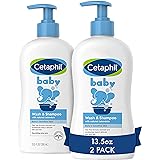
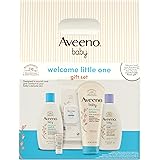
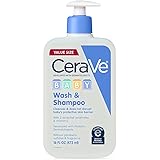
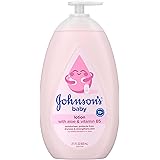
Complementing the visual presentation, a meticulous approach to a baby skincare routine is paramount for nurturing the delicate epidermal health of infants. Understanding the unique physiological attributes of newborn and infant skin provides the foundational knowledge required for establishing optimal care practices. This comprehensive guide delves into advanced principles of baby skincare, ensuring every parent feels equipped to safeguard their child’s sensitive skin against environmental stressors and common dermatological concerns.
Understanding the Unique Characteristics of Infant Skin
Infant skin, particularly in the first year of life, exhibits distinct structural and functional differences compared to adult integument. The stratum corneum, the outermost layer, is considerably thinner, leading to increased transepidermal water loss (TEWL) and heightened susceptibility to irritants and allergens. This physiological immaturity necessitates a specialized approach to baby skincare, focusing on protection and gentle support rather than aggressive treatments.
Furthermore, the epidermal barrier function in infants is not fully developed, leaving their skin more vulnerable to external pathogens and chemical absorption. The natural pH of a newborn’s skin is typically higher than that of an adult, trending towards neutral, which can sometimes impair the acid mantle’s protective capabilities. Consequently, maintaining appropriate hydration and pH balance becomes a critical aspect of effective baby skincare routines.
Crafting an Optimal Baby Skincare Routine
Developing a consistent and gentle baby skincare routine is essential for supporting the infant’s immature skin barrier and preventing common dermatological issues. Each step must be thoughtfully implemented, utilizing products specifically formulated for delicate skin. This systematic approach contributes significantly to the overall well-being and comfort of the child, establishing healthy skin from the earliest stages of life.
Gentle Cleansing: The Foundation of Care
Bathing frequency should be carefully considered, typically 2-3 times per week, to avoid stripping natural oils and disrupting the skin’s nascent barrier. Lukewarm water, rather than hot, is crucial for preserving skin hydration and preventing discomfort for the infant. The selection of a mild, pH-balanced cleanser, free from harsh sulfates, parabens, and phthalates, becomes an imperative decision for new parents navigating the complex landscape of infant hygiene products.
Imagine if a baby’s delicate lipid barrier were compromised daily by astringent cleansers; the resulting transepidermal water loss would exacerbate dryness significantly. Utilizing a wash designed for sensitive infant skin, such as those that might be offered by brands like Evereden, helps to maintain the skin’s integrity. A soft washcloth can be employed for gentle cleansing, paying particular attention to skin folds where moisture and debris often accumulate, ensuring thorough yet delicate purification.
Deep Moisturization: Nurturing the Skin Barrier
Immediately following a bath, while the skin is still damp, applying a emollient-rich moisturizer is a critical step in any robust baby skincare routine. This practice helps to seal in moisture, effectively reducing TEWL and reinforcing the skin’s protective barrier. Look for formulations containing ingredients like ceramides, shea butter, squalane, or colloidal oatmeal, known for their restorative and calming properties.
The consistent application of a high-quality infant moisturizer is not merely cosmetic; it is a therapeutic intervention that actively supports skin barrier development. Consider applying the moisturizer with gentle, downward strokes, covering all areas of the body, particularly those prone to dryness or friction. This proactive hydration strategy can significantly mitigate the prevalence of common infant dermatoses, providing lasting comfort.
Diaper Area Care: Preventing Irritation
The diaper area requires specialized attention due to its constant exposure to moisture, friction, and potential irritants from urine and feces. Frequent diaper changes, ideally every two to three hours or immediately after soiling, are fundamental to preventing skin breakdown and infection. Gentle wiping with plain water or fragrance-free, alcohol-free wipes minimizes irritation to this vulnerable region.
Following cleansing, ensuring the skin is completely dry before applying a protective barrier cream is paramount. Products containing zinc oxide or petrolatum create a physical barrier against moisture and irritants, effectively preventing diaper rash before it manifests. A thin, even layer of cream provides sufficient protection without occluding the skin, allowing it to breathe while remaining shielded.
Selecting Safe and Effective Skincare Products
The market for baby skincare products is vast, yet discerning parents must prioritize safety and efficacy above all else. Scrutinizing ingredient lists is non-negotiable, with a strong preference for products that are fragrance-free, dye-free, paraben-free, phthalate-free, and hypoallergenic. These precautions significantly reduce the risk of allergic reactions and irritant contact dermatitis in infants.
Look for products that have undergone dermatological testing and are endorsed by pediatricians, offering an additional layer of assurance regarding their suitability for delicate infant skin. Reputable brands often provide clear labeling about their formulations and testing protocols. Imagine a scenario where a parent inadvertently applies a product containing endocrine disruptors to an infant; the long-term implications underscore the critical importance of informed product selection within a holistic baby skincare regimen.
Addressing Common Infant Skin Concerns
Even with an exemplary baby skincare routine, infants can occasionally develop specific skin concerns. Understanding how to gently manage these conditions within the broader framework of daily care is vital for their comfort and health. Proactive measures, combined with appropriate topical treatments, can effectively mitigate many common issues.
Eczema (Atopic Dermatitis)
For infants prone to eczema, an intensified focus on barrier repair and hydration is necessary. Consistent use of emollients and thick moisturizers, several times a day, helps to alleviate dryness and itching associated with atopic dermatitis. Identifying and avoiding environmental triggers, such as harsh detergents or specific allergens, also plays a crucial role in managing flare-ups of this chronic condition.
Cradle Cap (Seborrheic Dermatitis)
Cradle cap, characterized by greasy, scaly patches on the scalp, can often be managed with a gentle approach. Applying a small amount of baby oil or mineral oil to the affected area a few hours before bathing helps to soften the scales. During the bath, a mild baby shampoo and a soft brush can be used to gently remove the loosened scales, taking care not to irritate the scalp.
Heat Rash (Miliaria)
Heat rash, or miliaria, occurs when sweat ducts become blocked, leading to small, red bumps, especially in warmer climates or during periods of overheating. Ensuring the baby is dressed in light, breathable clothing and kept in a cool environment helps to prevent and resolve heat rash. Maintaining proper airflow and avoiding excessive layers are simple yet effective strategies for managing this common condition.
Environmental Factors and Seasonal Adjustments
External environmental conditions significantly impact the efficacy of any baby skincare routine, necessitating dynamic adjustments throughout the year. Humidity levels, temperature fluctuations, and sun exposure demand varying strategies to maintain optimal skin health for infants. Parents must be prepared to adapt their care practices according to prevailing climatic elements.
During colder months, when ambient humidity is low, the risk of dry, chapped skin increases dramatically for infants. Intensifying the application of rich emollients and employing a humidifier in the nursery can counteract the drying effects of indoor heating. Conversely, in warmer seasons, attention shifts to preventing heat rash and ensuring adequate hydration, while also considering gentle sun protection for older infants whose skin can still be quite sensitive to UV radiation, integrating a comprehensive baby skincare routine for their delicate needs.
Perfecting the Routine: Your Baby Skincare Q&A
What makes a baby’s skin different from an adult’s?
A baby’s skin is much thinner and more prone to losing moisture, especially in their first year. Its protective barrier is also not fully developed, making it more sensitive to irritants.
How often should I bathe my baby?
It’s generally recommended to bathe your baby 2-3 times per week to avoid stripping their natural skin oils. Always use lukewarm water and a gentle, pH-balanced cleanser.
Why is it important to moisturize my baby’s skin?
Moisturizing immediately after a bath helps to seal in moisture and strengthen the baby’s skin barrier. This practice can reduce dryness and protect against external irritants.
What ingredients should I look for or avoid in baby skincare products?
Prioritize products that are fragrance-free, dye-free, paraben-free, phthalate-free, and hypoallergenic. These precautions help reduce the risk of irritation and allergic reactions.
What is the best way to care for my baby’s diaper area?
Change diapers frequently, wipe gently with plain water or fragrance-free wipes, and make sure the skin is completely dry. Applying a protective barrier cream with zinc oxide or petrolatum helps prevent diaper rash.