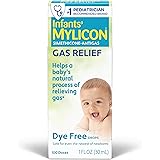
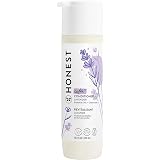
Are you navigating the complexities of infant dermal health? Choosing the best baby cream often feels daunting. Dr. Pawan Mandaviya’s video above offers concise directives. It highlights specific product applications for particular conditions. This guide expands on those vital distinctions. It provides expert insights into pediatric skincare protocols.
Deciphering Infant Dermal Physiology
Neonatal skin presents unique challenges. Its stratum corneum is thinner. Barrier function development remains incomplete. This renders infants more susceptible to environmental aggressors. Their skin is notably more permeable. Absorption rates for topical agents are consequently higher.
This increased permeability is a critical factor. It mandates careful selection of baby skin care products. Harsh chemicals can easily penetrate. This can lead to irritation or systemic absorption. Understanding these physiological nuances is paramount.
The Imperative of a Robust Skin Barrier
Imagine the skin barrier as a protective citadel. It defends against irritants and pathogens. It also retains crucial moisture within. In infants, this citadel is still under construction. Its lipid matrix is less organized. Transepidermal water loss (TEWL) is elevated.
A compromised barrier allows moisture escape. It invites allergens and microbes. Consequently, skin conditions like dryness and eczema proliferate. Supporting this barrier is fundamental. Proper baby cream selection directly aids this defense.
Targeted Interventions: “Use This, Not That”
The core message of targeted care is clear. Different dermatological presentations require distinct formulations. A one-size-fits-all approach is ineffective. It may even exacerbate existing issues. Precision in baby skin care is essential.
Addressing Xerosis: Hydration for Dry Baby Skin
Dry skin, or xerosis, is common in infants. It manifests as flakiness and mild irritation. The skin often feels rough to the touch. This condition stems from insufficient moisture retention.
For xerosis, emollients are the primary recommendation. Emollients include ingredients like shea butter and petrolatum. They form an occlusive layer. This layer minimizes transepidermal water loss. Humectants like glycerin also draw moisture. Think of them as tiny sponges, pulling water from the air or deeper skin layers. Applying these after bathing is most effective. The skin is then optimally hydrated. Avoid products with drying alcohols or strong fragrances.
Managing Atopic Dermatitis: Eczema in Babies
Eczema, or atopic dermatitis, is a chronic inflammatory condition. It presents with red, itchy, sometimes weeping patches. The skin barrier is significantly disrupted. Genetic predispositions often play a role.
Specialized barrier repair creams are indicated here. These often contain ceramides. Ceramides are vital lipid components. They restore the skin’s natural barrier. These creams act as mortar for the skin’s protective wall. Anti-inflammatory properties may also be present. Mild corticosteroids might be prescribed for flares. Consult a pediatric dermatologist promptly. Regular moisturization is a cornerstone of management.
Diaper Dermatitis: Effective Diaper Rash Protocol
Diaper rash is a prevalent skin irritation. It occurs in the occluded diaper area. Moisture, friction, and microbial proliferation contribute. It presents as redness and tenderness.
Barrier creams containing zinc oxide are paramount. Zinc oxide forms a protective shield. This shield repels moisture effectively. Petroleum jelly also creates an occlusive layer. Apply a thick layer at each diaper change. Ensure the skin is clean and dry first. Frequent diaper changes are also crucial. Allow some air exposure when possible. This helps to mitigate the moist environment.
Hypersensitive Skin: Gentle Formulations for Allergy Prevention
Some infants exhibit heightened skin sensitivity. They react readily to common irritants. This can manifest as contact dermatitis. Identifying triggers is key.
For these babies, hypoallergenic formulations are essential. These products minimize potential allergens. They are typically fragrance-free and dye-free. Avoid harsh preservatives like parabens. Look for minimal ingredient lists. Less is often more for sensitive baby skin. Patch testing new products is a sensible precaution. Apply a small amount to an inconspicuous area. Observe for any adverse reactions over 24-48 hours. This proactive approach safeguards delicate skin.
Decoding Baby Cream Ingredients: A Parent’s Lexicon
Understanding ingredient labels empowers informed decisions. Manufacturers use a plethora of compounds. Distinguishing beneficial from detrimental is vital. Prioritize safety and efficacy above all. This knowledge forms a robust defense.
Beneficial Compounds for Infant Dermal Health
- **Ceramides:** These epidermal lipids are crucial. They reinforce the skin barrier. Their presence helps reduce water loss.
- **Glycerin:** A potent humectant. It attracts water to the skin. This provides effective hydration.
- **Petrolatum (White Petroleum Jelly):** An excellent occlusive agent. It forms a protective barrier. It effectively seals in moisture.
- **Dimethicone:** A silicone-based polymer. It provides a smooth, protective layer. It is non-comedogenic and hypoallergenic.
- **Shea Butter:** A natural emollient. It nourishes and softens skin. It also possesses anti-inflammatory properties.
- **Colloidal Oatmeal:** Soothes irritated skin. It is recognized for anti-inflammatory effects. It helps calm itching.
- **Zinc Oxide:** A mineral skin protectant. It forms a physical barrier. It is particularly useful for diaper rash.
Ingredients to Avoid in Baby Skin Care Products
Certain components can irritate sensitive infant skin. They may even pose health risks. Vigilant label reading is imperative. Prioritize your baby’s long-term health. Knowledge is your best tool.
- **Fragrances (Parfum/Fragrance):** A common allergen. They can cause contact dermatitis. Opt for fragrance-free products.
- **Dyes:** Artificial colors add no benefit. They are potential irritants. Choose dye-free formulations always.
- **Parabens (e.g., Methylparaben, Propylparaben):** These are preservatives. Some concerns exist regarding endocrine disruption. Many prefer paraben-free options.
- **Phthalates:** Often found in fragrances. They are linked to developmental issues. Avoid products listing them.
- **Sulfates (e.g., Sodium Laureth Sulfate):** Harsh cleansing agents. They strip natural oils. This can lead to dryness.
- **Ethanol/Isopropyl Alcohol:** Drying alcohols can irritate. They compromise the skin barrier. Avoid them in topical creams.
- **Formaldehyde-Releasing Preservatives:** These can be sensitizing. Examples include quaternium-15. Seek alternatives.
Product Forms: Lotions, Creams, and Ointments
Beyond ingredients, product consistency matters. Each form offers distinct advantages. Selecting the right vehicle optimizes delivery. This choice impacts overall efficacy.
Lotions
Lotions are typically lighter. They have higher water content. They spread easily and absorb quickly. Lotions are suitable for general daily use. They provide mild hydration. However, their emolliency is less potent.
Creams
Creams are thicker than lotions. They contain more oil than water. They offer greater hydration and protection. Creams are excellent for moderate dryness. They are a good choice for regular baby skin care. Many barrier repair formulations are creams.
Ointments
Ointments are the thickest formulation. They contain minimal water content. They are highly occlusive and moisturizing. Ointments are ideal for very dry skin or eczema. They create a robust protective layer. Petrolatum-based products are often ointments.
The Indispensable Role of Pediatric Consultation
While this guide provides comprehensive insights, professional advice is invaluable. Persistent skin issues warrant a medical evaluation. A pediatric dermatologist offers tailored recommendations. They can accurately diagnose complex conditions. Their expertise ensures optimal outcomes.
Always consult your pediatrician. Discuss any concerns regarding your baby’s skin. They can guide you through specific diagnoses. They will also recommend appropriate treatments. This ensures the best baby skin care.
Q&A: Gentle Care for Baby’s Delicate Skin
Why is baby skin different from adult skin?
Baby skin is thinner and more permeable than adult skin, and its protective barrier is still developing. This makes it more sensitive to the environment and more likely to absorb topical products.
What is the skin barrier and why is it important for babies?
The skin barrier is like a protective shield that locks moisture into the skin and keeps irritants out. For babies, a strong barrier is crucial to prevent dryness, irritation, and skin conditions.
What kind of cream should I use if my baby has dry skin?
For general dry skin, called xerosis, emollients like creams or ointments containing ingredients such as shea butter or petrolatum are recommended. These help create a protective layer to seal in moisture.
What ingredients should I avoid in baby skincare products?
It’s best to avoid ingredients like fragrances, dyes, parabens, phthalates, and harsh alcohols. These can irritate a baby’s delicate skin and may pose other concerns.
What’s the difference between lotions, creams, and ointments for babies?
Lotions are light and watery for mild hydration, while creams are thicker with more oil for moderate dryness. Ointments are the thickest, with minimal water, and are best for very dry or compromised skin because they provide a strong protective barrier.