Navigating the early days of parenthood often brings a host of questions, especially concerning a newborn’s delicate skin. As Dr. Yoshi expertly discusses in the video above, one of the most common skin conditions to emerge is baby acne, a frequent source of worry for many new parents. While seeing tiny red bumps and pustules on your precious infant can be alarming, understanding this condition, often referred to as neonatal cephalic pustulosis, is the first step towards peace of mind.
This article aims to expand upon Dr. Yoshi’s valuable insights, providing a deeper dive into what causes baby acne, how it typically presents, effective management strategies, and perhaps most importantly, when to consider consulting your pediatrician. We will explore the commonality of baby acne and distinguish it from other skin concerns, ensuring you feel equipped and informed to care for your baby’s skin.
What Exactly is Baby Acne (Neonatal Cephalic Pustulosis)?
Baby acne manifests as small, red bumps and sometimes whiteheads, primarily appearing on your baby’s face, scalp, neck, and occasionally the upper chest. These breakouts typically resemble adolescent acne, yet their underlying causes and treatment approaches differ significantly. It’s a benign skin condition that does not cause discomfort or itching for your infant, reassuring parents who might confuse it with an irritating rash.
Unlike adult acne which is often linked to blocked pores and bacterial infections, baby acne is thought to be influenced by maternal hormones that cross the placenta just before birth. These hormones can stimulate the baby’s sebaceous glands, leading to an overproduction of oil and subsequent breakouts. Understanding this distinction is crucial for parents, as it helps prevent unnecessary concern and misguided treatment attempts.
The Why and When: Understanding Baby Acne’s Onset
As Dr. Yoshi highlighted, baby acne most commonly appears within the first six weeks of life. This particular timing is a key diagnostic indicator, setting it apart from other infant skin conditions. Imagine if you’ve just brought your newborn home, marveling at their smooth skin, and then suddenly, these small blemishes start to appear around their cheeks and forehead. This typical presentation within the initial weeks is entirely normal.
Statistically, baby acne affects about 20% of newborns, making it a surprisingly common occurrence in infancy. This high prevalence means that if your baby develops these breakouts, they are certainly not alone; many other parents are navigating the exact same situation. The good news is that for the vast majority of infants, baby acne is self-limiting, meaning it resolves on its own without requiring any specific medical intervention, often clearing up within a few weeks to months.
Gentle Care: How to Manage Baby Acne at Home
While patience is often the best approach, there are several gentle care tips that can help keep your baby’s skin clean and support its natural healing process. First and foremost, resist the urge to scrub or squeeze the bumps, as this can irritate the delicate skin further and potentially lead to infection or scarring. Instead, focus on a simple, consistent skincare routine that is mild and non-invasive.
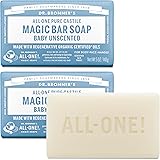
One effective method involves washing your baby’s face once a day with plain water or a very mild, fragrance-free baby soap. After washing, gently pat the skin dry with a soft towel, avoiding any rubbing. Furthermore, it is generally recommended to avoid using greasy lotions, oils, or adult acne products on your baby’s skin, as these can exacerbate the condition by clogging pores. Keeping the baby’s skin clean and dry, especially after feeding or spitting up, can significantly contribute to managing baby acne, allowing it to clear naturally over time.
Medical Approaches: When Treatment May Help
Although baby acne typically resolves without intervention, some cases might benefit from medical treatment, especially if the condition is persistent or more widespread. Dr. Yoshi outlined two primary topical options that a pediatrician might consider. Firstly, a topical anti-fungal cream, such as ketoconazole 2%, applied twice daily, can be effective. This is because some forms of neonatal pustulosis are thought to involve a yeast called *Malassezia*, making an anti-fungal an appropriate treatment.
Secondly, a mild steroid cream like hydrocortisone 1%, used once daily, may be prescribed. Hydrocortisone works by reducing inflammation and redness associated with the breakouts. It is critical to emphasize that these are prescription-strength medications and should only be used under the direct guidance and supervision of a board-certified pediatrician. Never attempt to self-diagnose or self-medicate your infant with these creams, as improper use could potentially harm your baby’s sensitive skin.
Beyond the Breakout: When to Consult Your Pediatrician
While most cases of baby acne are benign, there are specific circumstances where a pediatrician’s evaluation becomes essential. As Dr. Yoshi wisely advised, baby acne that starts after six weeks of age is a crucial red flag. If your baby develops acne-like lesions beyond this typical timeframe, it could indicate a different skin condition that requires medical attention or further investigation.
Moreover, several other signs warrant a consultation with your pediatrician. Imagine if the rash appears particularly severe, deeply inflamed, or starts spreading rapidly beyond the typical facial areas to the body. If your baby seems uncomfortable, develops a fever, or the skin lesions become crusty, ooze, or show signs of infection, these are all indicators to seek professional medical advice promptly. Your pediatrician can help distinguish baby acne from other common infant rashes like milia (tiny white bumps without redness), eczema (dry, scaly, itchy patches), heat rash (small red bumps from overheating), or cradle cap (scaly patches on the scalp), ensuring your baby receives the correct diagnosis and appropriate care.
Clearing Up Your Concerns: Dr. Yoshi’s Baby Acne Q&A
What is baby acne?
Baby acne, also known as neonatal cephalic pustulosis, appears as small red bumps and sometimes whiteheads on a baby’s face, scalp, or neck. It’s a common and harmless skin condition thought to be influenced by maternal hormones.
When does baby acne usually appear?
Baby acne most commonly appears within the first six weeks of a newborn’s life. It typically resolves on its own without specific medical intervention within a few weeks to months.
How should I care for my baby’s acne at home?
Gently wash your baby’s face once a day with plain water or a very mild, fragrance-free baby soap, then gently pat it dry. Avoid scrubbing, squeezing, or using greasy lotions or adult acne products.
When should I consult a pediatrician about my baby’s acne?
You should see a pediatrician if the acne appears after six weeks of age, seems severe, spreads rapidly, or if your baby develops a fever, discomfort, or signs of infection like crusting or oozing.