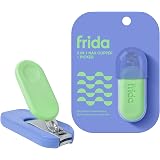
Are you fully prepared for those inevitable bumps, scrapes, sniffles, and fevers that come with raising newborns, babies, and toddlers? As seen in the accompanying video, compiling a robust baby first aid kit is not merely about convenience; it is a critical aspect of pediatric care and home safety, ensuring immediate response when minor emergencies arise. This comprehensive guide expands upon the essential items showcased, delving deeper into their utility and introducing other vital components that form an indispensable first aid arsenal for your young children.
The proactive assembly of a well-stocked first aid kit can significantly reduce stress during urgent situations. It enables parents and caregivers to administer prompt care for common childhood ailments, often preventing minor issues from escalating. Attention to detail in kit preparation ensures that appropriate tools and remedies are readily available, facilitating a calm and effective response to various health challenges your little ones may encounter.
Establishing the Core: Basic Wound Care and Skin Protection
Effective wound management for young children often necessitates a variety of supplies to address different types of injuries. From small cuts to larger abrasions, having the correct items on hand is paramount for preventing infection and promoting healing. The video highlights several fundamental components, but understanding their specific applications enhances their efficacy.
Band-Aids and Gauze Pads: Versatile Protection
While the allure of “cute” Band-Aids is undeniable, their primary function extends beyond aesthetics. A variety pack, encompassing different shapes and sizes, is ideal for conforming to various body parts and wound dimensions. Band-Aids are generally indicated for superficial cuts and scrapes, offering protection against contaminants. For larger lacerations or areas requiring more significant absorption or compression, sterile gauze pads become indispensable. These can be secured with medical tape to create a protective dressing, which is especially useful for wounds that may bleed more profusely or require breathing room.
Wound Wipes: On-the-Go Antiseptic Action
Individually packaged wound wipes are a practical addition to any portable first aid kit. Their pre-moistened, antiseptic formulation allows for efficient cleaning of wounds without the need for water and soap, which may not always be accessible. The active ingredients typically work to disinfect the area, thereby minimizing the risk of bacterial infection. Such convenience is particularly valued during outings or travel, where immediate wound cleansing is often necessary.
Active Skin Repair: A Multi-Purpose Healing Agent
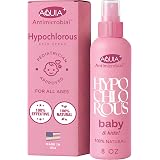
Active Skin Repair, identified as a personal favorite in the video, represents a potent advancement in topical care due to its multi-purpose application. Formulated with hypochlorous acid, a naturally occurring molecule produced by white blood cells, this spray aids in the body’s natural healing process. Its efficacy spans a range of skin irritations, including cuts, scrapes, minor burns, insect bites, diaper rash, and eczema. The gentle, non-toxic nature of such solutions makes them suitable for sensitive infant and toddler skin, offering both antiseptic and soothing benefits.
Addressing Specific Infant and Toddler Concerns
Beyond general wound care, a comprehensive baby first aid kit must contain specialized tools for common pediatric issues. These items are selected for their targeted action against specific discomforts, providing relief and supporting recovery for young children who cannot yet verbalize their symptoms effectively.
The Bug Bite Thing: Immediate Venom Extraction
Insect bites can cause significant distress for children, leading to itching, swelling, and potential allergic reactions. The Bug Bite Thing operates on a simple yet effective suction mechanism, designed to extract irritants or venom from beneath the skin. This immediate removal can rapidly alleviate itching, reduce swelling, and prevent the prolonged discomfort often associated with mosquito bites, bee stings, or spider bites. Its non-chemical approach offers a safe method of relief for even the youngest individuals.
Tweezers: Precision for Minor Foreign Objects
Splinters, thorns, and small debris are common culprits that find their way into a child’s skin. A pair of fine-tipped tweezers is an essential tool for precise and sterile removal of such foreign bodies. Proper technique involves sterilizing the tweezers with rubbing alcohol prior to use and ensuring adequate lighting for clear visualization. Prompt removal minimizes discomfort and significantly reduces the risk of localized infection. These are also useful for careful tick removal, a crucial step in preventing tick-borne illnesses.
Accurate Temperature Monitoring: The Rectal Thermometer
Fever is a common indicator of illness in children, necessitating accurate temperature measurement for proper assessment and management. While various types of thermometers exist—such as forehead, ear, and oral—it is generally accepted within the pediatric community that a rectal thermometer provides the most accurate reading for infants and young toddlers. This precision is vital for determining the true body temperature, especially when clinical decisions are being made. Auxiliary options, like underarm or oral thermometers (for older children who can cooperate), offer convenience but may yield less accurate results. Petroleum jelly is frequently used to facilitate comfortable insertion of a rectal thermometer.
Chest Rub: Congestion Relief for Little Lungs
Stuffy noses and chest congestion are particularly challenging for infants, who are obligate nose breathers. Chest rub formulations designed for babies offer a comforting, non-medicinal approach to alleviating congestion. These rubs typically contain aromatic ingredients like eucalyptus or camphor, which, when applied to the chest or even lightly beneath the nose, create a sensation of cleared airways. It is crucial to select products specifically formulated for infants, as some adult chest rubs contain ingredients that are too strong or potentially harmful for very young children. Always verify age appropriateness before application.
NoseFrida and Nasal Aspirators: Clearing Airways Effectively
As highlighted in the video, devices like the NoseFrida, despite their unconventional appearance, are highly praised by parents for their efficacy in clearing nasal passages. These manual aspirators allow caregivers to safely and hygienically suction mucus from a child’s nose, providing immediate relief from congestion. For infants especially, clear nasal passages are essential for comfortable breathing, feeding, and sleeping. The use of saline nasal drops prior to aspiration can further loosen dried mucus, making the process more effective.
Medication and Symptom Management
Administering medication to young children demands careful consideration of dosage, age restrictions, and method of delivery. A well-equipped first aid kit includes appropriate over-the-counter remedies, always with the understanding that a pediatrician should be consulted for specific guidance.
Children’s Benadryl: Allergy and Reaction Management
Children’s Benadryl (diphenhydramine) is an antihistamine commonly used for older children to manage symptoms of seasonal allergies, mild allergic reactions (e.g., to insect bites or certain foods), or to alleviate coughs associated with colds. It functions by blocking histamine, a compound released during allergic responses. Parents must be meticulous with dosing, which is typically based on the child’s weight and age, and should always consult a healthcare provider before administering. Drowsiness is a common side effect that should be anticipated. For infants and very young toddlers, antihistamines are generally not recommended without explicit medical advice.
Throat Soothing Lollipops: Innovative Symptom Relief
For children who resist traditional liquid medications, throat soothing lollipops offer an innovative and palatable solution for managing sore throats and coughs. These lollipops are formulated with soothing ingredients that provide temporary relief, and the act of sucking helps stimulate saliva production, which can further ease throat irritation. The “candy” format often encourages compliance, making symptom management less of a struggle for both the child and caregiver. It is important to ensure these products are age-appropriate and do not pose a choking hazard.
Essential Additions to Your Baby First Aid Kit
While the video covers many basics, a truly comprehensive baby first aid kit expands to include several other critical items that address common scenarios and enhance emergency preparedness. These additional supplies are frequently recommended by pediatric healthcare professionals.
Fever Reducers and Pain Relievers
Crucially absent from the video but paramount for pediatric care are children’s acetaminophen (e.g., Tylenol) and ibuprofen (e.g., Motrin, Advil). Acetaminophen can be administered to infants as young as 2 months for fever and pain, while ibuprofen is typically introduced after 6 months. Accurate dosing by weight is absolutely essential, and calibrated syringes or dosing cups should always be included with these medications. These are indispensable for managing fevers, post-vaccination discomfort, and minor aches.
Oral Rehydration Solution (ORS)
For instances of dehydration due to vomiting, diarrhea, or fever, oral rehydration solutions (e.g., Pedialyte) are vital. These electrolyte-rich fluids help replenish essential salts and sugars lost during illness, preventing the serious complications of dehydration in infants and toddlers. Having a few packets or a small bottle on hand can make a significant difference in managing gastrointestinal illnesses.
Hydrocortisone Cream and Anti-itch Cream
Minor skin irritations, such as allergic rashes, eczema flare-ups, or persistent bug bite itching, can be effectively managed with topical creams. A mild hydrocortisone cream (0.5% or 1%) can reduce inflammation and itching, while a general anti-itch cream provides soothing relief. These should be used sparingly and as directed, especially on sensitive skin areas.
Sunscreen and Age-Appropriate Insect Repellent
For outdoor activities, protecting a child’s delicate skin from the elements is key. Infant-safe sunscreen (typically recommended for babies over 6 months) and insect repellent formulated for children are vital additions. Prevention of sunburn and bug bites minimizes discomfort and reduces the risk of skin damage or insect-borne diseases.
Additional Practicalities
- Emergency Contact List: A laminated card with emergency numbers for poison control, pediatrician, local emergency services, and family contacts.
- Sterile Gloves: For hygienic wound care or handling bodily fluids.
- Small Flashlight: For examining wounds or checking throats in low light conditions.
- Hand Sanitizer: For cleaning hands when soap and water are unavailable.
- Digital Thermometer Covers: For hygienic and multi-person use of thermometers.
- Medical Tape: To secure bandages or gauze.
Maintaining Your Newborn, Baby, and Toddler First Aid Kit
The utility of a baby first aid kit is directly tied to its ongoing maintenance and organization. Regularly checking expiration dates on medications and sterile supplies is paramount, as expired products may lose their effectiveness or even become harmful. Replenishing items as they are used ensures that the kit remains fully stocked for subsequent needs. Furthermore, storing the kit in an easily accessible, yet child-proof, location is vital for rapid deployment during an emergency. Whether it is a dedicated container for home use or a compact version for travel, a well-managed first aid kit provides peace of mind and essential resources for comprehensive first aid essentials for babies, newborns, and toddlers.
Safeguarding Your Little One: Your First Aid Kit Q&A
Why should I have a baby first aid kit?
A baby first aid kit is crucial for quickly responding to minor emergencies like bumps, scrapes, or fevers. It helps parents provide immediate care, reducing stress and potentially preventing minor issues from getting worse.
What are the basic things I need for cuts and scrapes?
For basic wound care, you’ll need a variety of Band-Aids and sterile gauze pads, wound wipes for cleaning, and a healing agent like Active Skin Repair for various skin irritations.
How do I check my baby’s temperature accurately?
For infants and young toddlers, a rectal thermometer gives the most accurate temperature reading. You can use petroleum jelly for comfortable insertion.
What can help with a baby’s stuffy nose?
For a stuffy nose, you can use a baby-specific chest rub to help clear airways. Nasal aspirators like NoseFrida are also very effective for safely suctioning mucus from your baby’s nose.
What are the most important medications to include for fever and pain?
The most important over-the-counter medications for fever and pain are children’s acetaminophen (like Tylenol) for infants 2 months and older, and ibuprofen (like Motrin or Advil) for babies over 6 months. Always follow age and weight-based dosing instructions carefully.