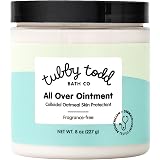
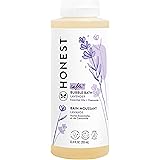
The visual guide above highlights the critical need for specialized care for your baby’s delicate skin, especially during the warmer months. It specifically introduces Aveeno Baby Daily Moisture Hydrating Facial Gel as an ideal solution for summer hydration, emphasizing the protective qualities of oats. This supplementary article will delve deeper into why baby skin requires such gentle attention, the unique challenges posed by summer, and how a product like a hydrating facial gel can be a cornerstone of your little one’s skincare routine.
Understanding Your Baby’s Delicate Skin
A baby’s skin is remarkably different from adult skin, making it far more susceptible to environmental factors. It is thinner, about 30% thinner than an adult’s, which means it loses moisture much faster. This compromised skin barrier struggles to retain hydration and protect against irritants. Consequently, babies are more prone to dryness, redness, and sensitivity.
Moreover, a baby’s immune system is still developing. Their skin, as the first line of defense, is not yet equipped to handle the full spectrum of external threats. Using products specifically formulated for infants helps to support this delicate barrier. Such specialized products ensure that harsh chemicals, fragrances, and dyes are avoided, which could otherwise provoke reactions.
Summer Challenges for Baby Skin
Summer brings its own set of unique challenges for delicate baby skin. The increased heat and humidity can lead to several common skin issues. Sweat, sunscreen, and even chlorine from pools can combine to irritate a baby’s sensitive complexion. Understanding these challenges is the first step toward effective prevention and care.
One prevalent concern is heat rash, also known as miliaria. This condition occurs when sweat glands become blocked, trapping sweat beneath the skin. It manifests as tiny red bumps, often appearing on the neck, chest, and diaper area, but can also affect the face. Dryness, paradoxically, can also be a problem despite the humidity. Air conditioning or prolonged exposure to air-conditioned environments can strip moisture from the skin, leading to flakiness and discomfort.
Furthermore, sun exposure is a major consideration. While direct sunlight should be avoided for infants under six months, older babies still need protection. Gentle sunscreens are necessary, but they can sometimes be thick and occlusive. Properly cleansing and hydrating the skin after sun exposure or prolonged outdoor play is vital to prevent pore blockage and maintain skin health.
The Benefits of Oats in Baby Skincare
The video above highlights “BABY SKIN OATS,” and for good reason. Oats, specifically colloidal oatmeal, have been a trusted ingredient in skincare for centuries due to their exceptional soothing and protective properties. Colloidal oatmeal is made by grinding oat kernels into a fine powder, which allows it to disperse easily in water and form a protective film on the skin’s surface.
This natural ingredient is packed with beneficial compounds. It contains avenanthramides, which are powerful antioxidants and anti-inflammatory molecules that help calm irritated skin. Moreover, oats are rich in beta-glucans, which attract and hold moisture, significantly improving skin hydration. This dual action of soothing irritation and boosting moisture makes oats an ideal component for products designed for sensitive and delicate baby skin.
When applied topically, colloidal oatmeal helps to restore the skin’s natural barrier function. It creates a breathable layer that locks in essential moisture while keeping environmental irritants out. This makes it particularly effective in managing conditions like eczema, dry patches, and general sensitivity. For summer baby skincare, oats provide a gentle way to combat the drying effects of heat and environmental exposure without resorting to harsh chemicals.
Creating a Summer Skincare Routine for Babies
Establishing a consistent yet simple summer baby skincare routine is essential for maintaining their skin health. This routine should prioritize gentle cleansing, adequate hydration, and sun protection. However, every baby’s skin is unique, so observe how your little one reacts to different products and adjust as needed.
-
Gentle Cleansing: Bathe your baby with a mild, pH-balanced cleanser designed for infants. Keep bath times short (5-10 minutes) and use lukewarm water to prevent further drying of the skin. Pat, don’t rub, your baby dry afterward to avoid irritation.
-
Targeted Hydration: Immediately after bathing, while the skin is still slightly damp, apply a moisturizer. For the face, a specialized baby facial gel, like the one highlighted in the video, can provide lightweight yet effective hydration. A thicker cream may be suitable for the body, especially in areas prone to dryness.
-
Sun Protection: Limit direct sun exposure, particularly during peak hours (10 AM to 4 PM). Dress your baby in lightweight, protective clothing, and a wide-brimmed hat. For babies over six months, apply a broad-spectrum, mineral-based sunscreen with at least SPF 30 to exposed skin areas. Reapply every two hours or after swimming or sweating.
-
Addressing Heat Rash: If heat rash occurs, keep the affected area cool and dry. Light clothing and reducing humidity can help. A cool compress might offer relief, but avoid heavy creams or ointments which can further block pores. If the rash persists or worsens, consult your pediatrician.
Selecting a Hydrating Facial Gel for Babies
When choosing a baby facial gel for summer hydration, several factors warrant consideration. Given that a baby’s face is often more exposed to the elements than other parts of their body, a specially formulated product is advantageous. The Aveeno Baby Daily Moisture Hydrating Facial Gel, for instance, emphasizes its suitability for “delicate skin” and “Summer Hydration.”
Look for products that are hypoallergenic and free from common irritants such as fragrances, dyes, and parabens. A non-comedogenic formula is also beneficial, meaning it won’t clog pores, which is particularly important in warm weather. Gel textures are often preferred for summer because they feel lighter on the skin, absorb quickly, and leave no greasy residue. This helps keep your baby comfortable without contributing to further heat or stickiness.
Ingredients are also key. As discussed, colloidal oatmeal offers significant benefits for soothing and moisturizing. Other beneficial ingredients might include glycerin or hyaluronic acid, which are humectants that draw moisture into the skin. Always check the ingredient list to ensure it aligns with your baby’s specific skin needs and any known sensitivities.
Daily Application Tips for Baby Facial Gel
Incorporating a baby facial gel into your daily routine is straightforward and can make a big difference in maintaining your baby’s facial hydration. For optimal results, timing and technique are important. A consistent approach helps the product work effectively and creates a soothing ritual for your little one.
Typically, the best time to apply the facial gel is after a bath or a gentle face wash. The skin is still slightly damp at this point, which helps to lock in moisture. Dispense a small, pea-sized amount of the gel onto your fingertips. Gently massage the gel onto your baby’s face, using light, upward strokes. Avoid the immediate eye area, but ensure full coverage of the cheeks, forehead, and chin.
The lightweight texture of a hydrating facial gel means it absorbs quickly, so you won’t need to rub extensively. However, if your baby’s skin seems particularly dry, a second, thin layer can be applied. In warmer weather, this step might be all that’s needed for facial hydration, preventing the need for heavier creams that could feel sticky. Consistent application, ideally twice a day (morning and evening), will contribute significantly to maintaining healthy summer baby skincare, helping to protect against dryness and irritation.
From Gel to Glow: Your Summer Baby Skin Care Q&A
Why is a baby’s skin different from an adult’s?
A baby’s skin is about 30% thinner than an adult’s, making it more prone to moisture loss and sensitivity. Their developing skin barrier also provides less protection against irritants.
What unique skin problems can babies experience during summer?
During summer, babies can commonly develop heat rash due to blocked sweat glands. Their skin might also become dry from air conditioning or irritated by sweat, sunscreen, or pool chlorine.
Why are oats beneficial for baby skincare?
Oats, especially colloidal oatmeal, are excellent for soothing irritated skin and boosting moisture. They contain natural compounds that calm inflammation and help strengthen the skin’s protective barrier.
What are the main steps in a baby’s summer skincare routine?
A basic summer skincare routine for babies includes gentle cleansing with mild products, consistent hydration, and careful sun protection. Remember to observe your baby’s skin for any reactions.
When is the best time to apply a baby facial gel?
For optimal results, apply a baby facial gel after a bath or a gentle face wash, while their skin is still slightly damp. This helps to effectively lock in moisture.