The journey of parenthood is often filled with a desire to provide the very best for our children. However, a significant challenge arises when seemingly innocuous baby products contain hidden chemicals that could impact their health for generations. The accompanying video, featuring a toxicologist with extensive experience, sheds light on these critical concerns, distinguishing between truly safe items and those that pose risks.
For many parents, deciphering product labels can feel like navigating a complex maze. This is especially true when marketing terms like “gentle” or “natural” often mask the presence of hormone disruptors, carcinogens, and allergens. This article aims to build upon the video’s crucial insights, offering a deeper dive into the dangers of toxic baby products and providing actionable steps to choose safer baby products for your family.
Navigating the World of Baby Wipes: Unmasking Hidden Dangers
Baby wipes are indispensable for parents, often used multiple times a day. Yet, a crucial distinction exists between products that offer convenience and those that introduce unnecessary chemical exposure. As the video highlights, certain popular brands, such as Pampers Clean & Calm Cotton Blossom Scent and Huggies Natural Care Refreshing Scented Baby Wipes, are identified as problematic by toxicologists.
The primary concern with these and similar wipes is the presence of fragrances. These are not merely pleasant scents; instead, the term “fragrance” often serves as a legal loophole, concealing a cocktail of undisclosed chemicals. Among these hidden components are phthalates, a well-known category of endocrine disruptors. Phthalates are chemicals that can interfere with the body’s endocrine (hormone) system, potentially leading to serious health issues.
Furthermore, these fragrances can contain carcinogens and allergens, substances that no child should be exposed to. A significant problem is that these harmful chemicals are absorbed through a baby’s highly sensitive skin, particularly in the diaper area. This region is especially vulnerable because it is occluded by a diaper, which increases both chemical penetration and absorption. The video underscores the alarming statistic that using wipes six times a day can result in approximately 2,000 potential hormonal hits before a child even reaches their first birthday.
The long-term implications of such exposure are profound. Phthalates, for instance, have been linked to early puberty, infertility issues, and metabolic disorders like obesity. It is mind-boggling that some chemicals used in fragrances have been banned from plastic toys due to their danger, yet they are permitted in baby wipes used on the most sensitive parts of a child’s body.
Safer Baby Wipe Alternatives: Protecting Delicate Skin
Fortunately, safer options are available for parents seeking to minimize their baby’s exposure to these harmful substances. Unscented, plastic-free, and compostable wipes, like ECO by Naty, are recommended by the toxicologist. Another clean option found in stores is Honest Brand fragrance-free clean conscious wipes.
Beyond commercial products, practical and budget-friendly alternatives exist. For example, simply washing a baby’s bottom with water and patting it dry with a clean cotton towel or toilet paper is a highly effective method, especially when at home. When out and about, carrying a small bottle of fresh water and some dry wipes allows for a similar clean and safe solution. It is crucial to refill the water bottle regularly to prevent microbial contamination.
Rethinking Baby Body Care: Beyond the “Baby” Label
The term “baby” on product labels can be misleading. Many parents naturally assume that a product marketed for infants is inherently safer, but this is not always the case. The video critically exposes this as a significant marketing lie, pointing out that ingredient lists for numerous baby products are often identical to their adult counterparts, despite the immense difference in skin sensitivity and detoxification capabilities between infants and adults.
Baby shampoos, for instance, frequently contain harsh sulfates like sodium lauryl sulfate (SLS). These ingredients are known to strip the skin’s natural barrier, which is still developing in infants and is far more sensitive than adult skin. Disrupting this barrier can lead to increased chemical penetration, absorption into the bloodstream, and heightened risks of inflammation, eczema, and microbiome disruption.
The inclusion of known allergens like SLS in baby products raises serious questions about manufacturers’ priorities. Often, the primary driver for using such ingredients is profit, as they create the desired lather and cleaning sensation at a low cost. Aveeno Baby Daily Moisture Wash & Shampoo is cited as an example of a product containing both fragrance and acrylates, which are microplastics and endocrine disruptors. This combination further compounds the risk of exposure to harmful chemicals.
Recommended Body Care: Nurturing Baby’s Skin Barrier
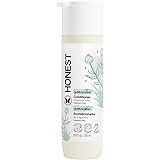
To ensure bath time is a safe experience, parents are advised to seek out unscented baby washes that are minimally processed and contain plant-derived ingredients. Earth Mama Unscented Baby Wash is recommended as a trusted organic option, free from synthetic and undisclosed ingredients. Pipette Fragrance-Free Baby Wash & Shampoo, available at stores like Target, also provides a clean and accessible alternative.
When selecting safer baby products, a useful guideline is to choose items that would not cause alarm if a child accidentally ingested a small amount. This perspective underscores the importance of ingredients that are genuinely benign and supportive of a baby’s delicate system.
Baby Bottles & Toys: Avoiding Leaching Chemicals
The materials babies interact with daily, particularly those they put in their mouths, warrant careful consideration. Plastic teethers, bottles, and even vinyl flooring can be sources of harmful chemical exposure. These items often contain phthalates and BPA (Bisphenol A), which are not chemically bound to the materials and can leach out, especially when heated or chewed upon.
Phthalates and BPA are classified as xenoestrogens, meaning they mimic natural estrogens in the body. This interference can disrupt reproductive development, brain development, and lead to other long-term health problems such as early puberty and fertility issues later in life. It is concerning that some of these chemicals have been banned in certain baby products but still appear in others, highlighting regulatory loopholes exploited by companies.
Moreover, these chemicals are not only ingested directly but also bind to household dust. As babies crawl and play on the floor, they can be exposed to these chemicals for extended periods. The effects of such exposures are often not immediately apparent, surfacing years later as developmental or health problems.
Choosing Non-Toxic Bottles and Playthings
When selecting bottles and toys, prioritizing materials that do not leach harmful chemicals is paramount. The gold standard for bottles is glass with natural rubber nipples, as these are durable, non-leaching, easy to clean, and do not retain smells or stains. Dr. Brown’s glass bottles and Philips bottles are mentioned as examples of widely available options, with the understanding that parents should choose what works best for their individual child.
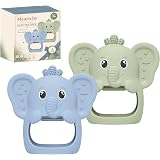
For teethers and toys, natural rubber or untreated wood are highly recommended. These materials are less processed and can withstand chewing without releasing toxins. Hearth & Hand wooden rattles (specifically the unpainted versions) and Silly natural rubber teethers are suggested as safer choices available in stores like Target. While medical-grade silicone is another option, its environmental footprint is noted as a drawback.
Critical Protection: Understanding Your Baby’s Unique Vulnerability
A crucial piece of information often overlooked in mainstream parenting advice is that a child’s detoxification system does not fully mature until around the age of 10. This means that infants and young children cannot process and eliminate chemicals from their bodies as effectively as adults can. Consequently, exposures that might have a minimal impact on an adult can be significantly more harmful to a developing child.
The ramifications extend beyond immediate health concerns. Emerging scientific fields like transgenerational and epigenetic toxicity reveal that chemical exposures can alter DNA, with these changes potentially being passed down to subsequent generations, impacting grandchildren and even great-grandchildren. This understanding transforms the choices made today into a legacy of health for future family members. The toxicologist emphasizes that while this information is not intended to scare, it is crucial for empowering parents to make informed decisions that protect their children’s long-term health.
A Toxicologist Mom’s Shopping Framework: Simple Steps for Safer Choices
Navigating the complex world of baby products can be overwhelming. To cut through the marketing jargon and reduce stress, a simple shopping framework is offered:
Idea Number One: Scrutinize Ingredients You Can’t Pronounce
If an ingredient on a product label is difficult to pronounce or understand, it warrants investigation. Companies sometimes rely on complex names to obscure potentially harmful components, banking on parental trust in “baby” labeled products. Resources like the Environmental Working Group (EWG) or the Think Dirty app can be invaluable tools for researching ingredients and understanding their safety profiles. Informed parents recognize that a product’s safety is determined by its composition, not just its branding.
Idea Number Two: Prioritize High-Exposure Products
To prevent overwhelm, begin by tackling products used most frequently or those applied to highly absorbent areas. Baby wipes, shampoos, lotions, and anything used in the diaper area fall into this category. Focusing on these high-exposure items first can dramatically reduce a child’s overall chemical burden, eliminating thousands of potential exposures within a year. Once these categories are mastered, other products can be addressed systematically.
Idea Number Three: Embrace Budget-Friendly Transitions Without Guilt
Making a shift to safer products does not require an immediate overhaul of everything in the home. Parents are encouraged to replace conventional products only when they run out, rather than discarding full bottles. Seeking deals, buying in bulk, and opting for simple, clean alternatives are effective strategies for budget-friendly transitions. Repurposing household items, such as using cut-up old cotton t-shirts as wipes, offers a highly economical and safe option. It is vital to remember that past choices do not define a parent’s commitment; every single step taken to reduce toxic exposure matters and contributes to a healthier environment for children. The objective is empowerment through information, not the imposition of guilt for conventional product use.
Being informed gives parents the power to make better choices for their family’s health. Many companies, unfortunately, produce items that do not adequately protect babies, making the parent’s role as advocate essential. By questioning labels, engaging with brands, and uncovering hidden dangers, parents can actively shape a safer future for their children. Choosing non-toxic baby products is a powerful way to mitigate the pervasive presence of hormone disruptors and ensure optimal development, making a lasting difference in a child’s health trajectory.
Toxicologist’s Corner: Your Baby Product Q&A
Why is it important to check the ingredients in baby products?
Many baby products can contain hidden chemicals like hormone disruptors, carcinogens, or allergens. Babies are more vulnerable to these chemicals because their detoxification systems are still developing.
What are ‘fragrances’ in baby wipes, and why should I be concerned about them?
The term ‘fragrance’ often conceals a mix of undisclosed chemicals, including phthalates, carcinogens, and allergens. These can disrupt a baby’s hormones and are easily absorbed through their sensitive skin.
Are products labeled ‘baby’ always safe for my child?
Not necessarily. The term ‘baby’ on a label can be misleading, as some baby products contain ingredients identical to adult versions. A baby’s skin and body are much more sensitive than an adult’s.
What materials are recommended for safer baby bottles and toys?
For bottles, glass with natural rubber nipples is the safest choice. For teethers and toys, look for natural rubber or untreated wood to avoid harmful chemicals like BPA and phthalates.
How can I start choosing safer baby products without getting overwhelmed?
A good way to start is by researching ingredients you can’t pronounce and focusing on replacing products used most often, like wipes and washes. You can also make changes gradually as old products run out.