Navigating the initial weeks and months with a newborn can feel akin to learning a complex new language, where every coo, cry, and skin nuance holds profound meaning. Much like the tranquil melodies accompanying the video above, the journey of parenthood is often a beautiful, albeit sometimes overwhelming, symphony of discovery. A significant facet of this learning curve involves mastering the art of newborn baby skin care. This delicate dermal landscape, unlike an adult’s robust epidermis, demands a nuanced and informed approach, necessitating an understanding of its unique physiological attributes and vulnerabilities.
The skin of a neonate, roughly 30% thinner than that of a mature individual, represents a permeable frontier, more susceptible to external aggressors and prone to transepidermal water loss (TEWL). Consequently, safeguarding its integrity transcends mere aesthetic concern; it forms a critical component of the infant’s overall health and well-being. This comprehensive guide delves into the intricacies of nurturing this fragile barrier, offering insights drawn from dermatological principles and pediatric best practices to ensure optimal baby skin health.
Understanding the Physiological Imperatives of Newborn Skin Health
To effectively manage newborn skin care regimens, one must first appreciate the inherent differences between infant and adult skin. The outermost layer, the stratum corneum, is not yet fully developed in newborns, leading to reduced barrier function. This immaturity renders it more permeable, making it prone to both dryness and irritation from environmental factors and topical applications.
Moreover, the nascent immune system of an infant means their skin offers less robust protection against pathogens and allergens. This heightened vulnerability underscores the imperative for gentle handling, meticulous hygiene, and the judicious selection of products. Treating newborn skin is much like tending to a budding sapling; it requires gentle nourishment and protection to flourish.
The Delicate Balance: Hydration and Barrier Function
Maintaining optimal hydration is paramount for preserving the skin’s barrier function. While often counterintuitive for many parents, excessive bathing or the use of harsh soaps can strip the natural lipids from the skin, exacerbating dryness and compromising its protective capabilities. Consequently, a thoughtful approach to cleansing and moisturizing forms the cornerstone of effective baby skin care practices.
The lipid barrier acts as the skin’s natural shield, a complex matrix of ceramides, cholesterol, and fatty acids. When this barrier is disrupted, moisture evaporates more rapidly, and irritants can penetrate more easily, paving the way for conditions such as atopic dermatitis. Therefore, our objective is to bolster, not undermine, this intrinsic defense mechanism.
Establishing an Optimal Bathing Protocol for Infants
Contrary to popular belief, daily bathing is often unnecessary, and potentially detrimental, for newborns. A newborn’s delicate skin does not accumulate significant dirt or grime that warrants daily submersion. Instead, infrequent, brief baths are generally recommended, particularly in the early weeks.
A sensible frequency might range from two to three times per week, with sponge baths for localized cleansing in between. When bathing, the water temperature should be tepid, approximately 98-100°F (37-38°C), akin to body temperature. Always test the water with your elbow or a thermometer to prevent accidental scalding.
Selecting Gentle Cleansers for Baby’s Sensitive Skin
The choice of cleansing agent profoundly impacts infant skin health. Soaps with a high pH, often alkaline, can disrupt the skin’s natural acid mantle, leading to dryness and irritation. Therefore, parents should exclusively opt for pH-neutral, fragrance-free cleansers specifically formulated for infants.
These specialized formulations are typically tear-free and hypoallergenic, minimizing the risk of adverse reactions. Think of selecting a cleanser as choosing the right solvent; a harsh chemical will strip and damage, while a gentle one will clean without compromising the underlying structure. Apply sparingly and rinse thoroughly to preclude any residual irritation.
Mastering Moisturizing for Enhanced Baby Skin Health
Post-bath moisturizing is a critical step in preserving the integrity of a newborn’s skin barrier. The ideal time to apply a moisturizer is within minutes of exiting the bath, while the skin is still slightly damp. This technique effectively “locks in” the moisture, creating an occlusive layer that minimizes TEWL.
Emollients and humectants are the allies in this endeavor. Emollients, such as petrolatum or mineral oil, form a protective film on the skin’s surface, while humectants, like glycerin, draw moisture from the air and deeper skin layers. A well-chosen moisturizer acts as a protective cloak, shielding the skin from the elements and enhancing its natural resilience.
Choosing the Right Moisturizer: Lotions, Creams, and Ointments
The consistency of the moisturizer often dictates its efficacy and suitability for various skin types and conditions. Lotions, being lighter, are ideal for everyday use on skin that is not excessively dry. Creams offer a thicker consistency and provide more intense hydration, suitable for moderately dry areas.
For severely dry or compromised skin, ointments represent the most potent option. Their high oil content creates a superior occlusive barrier, preventing significant water loss. When selecting, prioritize products that are fragrance-free, dye-free, and pediatrician-recommended to minimize the risk of sensitization and allergic reactions. Consider the skin’s current state as a barometer for product selection; a slightly parched garden needs a light watering, but a drought-stricken landscape requires a more substantial deluge.
Addressing Common Newborn Skin Concerns
Despite diligent care, newborns are prone to a constellation of common dermatological conditions. Understanding these conditions and their appropriate management strategies is integral to maintaining baby skin care health.
From transient rashes to more persistent inflammatory conditions, early identification and intervention can mitigate discomfort and prevent exacerbation. Parental vigilance, coupled with timely professional consultation, forms an indispensable partnership in navigating these challenges.
Diaper Dermatitis: Prevention and Treatment Strategies
Diaper dermatitis, commonly known as diaper rash, is arguably the most prevalent skin condition affecting infants. It arises from a confluence of factors: prolonged exposure to moisture, friction, and the enzymatic degradation of urine and feces, often compounded by opportunistic candidal infections. The key to management lies in rigorous preventative measures.
Frequent diaper changes are paramount; do not wait until the diaper is saturated. Cleanse the area gently with warm water and a soft cloth, avoiding harsh wipes that contain alcohol or fragrance. Allow the skin to air dry completely before applying a thick barrier cream containing zinc oxide or petrolatum. This creates a physical shield, much like a raincoat protecting skin from moisture. In cases of persistent or worsening rash, especially with satellite lesions, suspicion for a fungal infection warrants a pediatrician’s evaluation and potentially antifungal topical agents.
Eczema (Atopic Dermatitis) in Infants
Infantile eczema, or atopic dermatitis, manifests as patches of dry, red, itchy skin, often appearing on the face, scalp, and extensor surfaces of the limbs. It represents a chronic inflammatory skin condition driven by a combination of genetic predisposition and environmental triggers. Management focuses on meticulous skin barrier repair and inflammation control.
A consistent “soak and seal” approach to bathing and moisturizing is highly effective. After a brief, lukewarm bath, pat the skin gently and immediately apply a generous layer of prescribed topical corticosteroids (if warranted) followed by a thick emollient. Identifying and avoiding triggers such as harsh detergents, certain fabrics (wool), and specific allergens can also significantly improve symptoms. Managing eczema is a marathon, not a sprint, requiring sustained effort and a personalized approach tailored to the individual infant’s needs.
Cradle Cap (Seborrheic Dermatitis)
Cradle cap, medically termed seborrheic dermatitis, presents as greasy, yellowish scales or crusts on the scalp, eyebrows, and occasionally behind the ears. While visually alarming to some parents, it is typically harmless and non-itchy. The etiology is believed to involve overactive sebaceous glands and the yeast Malassezia globosa.
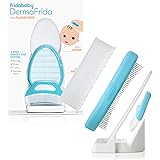
Gentle management often suffices. Regular, gentle washing of the scalp with a mild baby shampoo and soft brushing with a fine-bristled brush can help loosen and remove scales. In more stubborn cases, applying a small amount of mineral oil or olive oil to the affected areas 15-20 minutes before shampooing can facilitate scale removal. Avoid vigorous scraping, which can irritate the scalp and potentially lead to infection. Patience is a virtue here; the condition usually resolves spontaneously within the first year of life.
Sun Protection for Delicate Newborn Skin
A newborn’s skin lacks the mature melanin production and barrier function necessary to withstand direct sun exposure. Consequently, aggressive sun protection strategies are imperative for infants, particularly those under six months of age. Think of their skin as a delicate flower; too much direct sun will quickly cause it to wilt.
The primary recommendation is strict avoidance of direct sunlight, especially during peak hours between 10 AM and 4 PM. This means seeking shade under trees, canopies, or strollers with sun visors.
Protective Gear and Sunscreen Application
When outdoor exposure is unavoidable, dressing the infant in lightweight, long-sleeved clothing and wide-brimmed hats offers excellent physical protection. Additionally, selecting fabrics with a high Ultraviolet Protection Factor (UPF) can provide an extra layer of defense against harmful UV radiation. Physical barriers are the first line of defense, akin to building a fort against an incoming storm.
For infants over six months, or in situations where adequate shade and clothing are not feasible for younger infants on small exposed areas, the judicious application of a broad-spectrum, mineral-based sunscreen (containing zinc oxide or titanium dioxide) is recommended. Always opt for formulas specifically designed for babies, boasting an SPF of 30 or higher. Apply a small amount to a test area first to check for any sensitivity.
The Therapeutic Touch: Baby Massage and Skin Benefits
Beyond the practicalities of hygiene and protection, infant massage offers profound benefits for both the baby’s skin and overall well-being. The gentle, rhythmic strokes can improve circulation, which in turn enhances nutrient delivery to the skin cells. Furthermore, it strengthens the parent-infant bond through tactile stimulation and provides a comforting routine.
When performing infant massage, use a small amount of a natural, unscented oil, such as grapeseed or sunflower oil, which are well-tolerated by sensitive skin. This lubricates the skin, reducing friction and enhancing the sensory experience. The act of massage is like a gentle rain on parched earth, nourishing the skin and fostering a sense of calm and connection.
Ultimately, comprehensive newborn baby skin care is not merely a task but an act of nurturing. It requires a blend of scientific understanding, gentle practice, and unwavering attention to the subtle cues emanating from the infant’s delicate epidermal layer. By embracing these principles, parents can confidently foster robust skin health for their newborns, laying a strong foundation for their overall developmental journey.
Q&A: Nurturing Your Little One’s Healthy Skin
Why is newborn baby skin so delicate?
Newborn skin is about 30% thinner than an adult’s and its outermost layer isn’t fully developed, making it more permeable and susceptible to dryness and irritation.
How often should I bathe my newborn baby?
Daily bathing is often unnecessary and can dry out the skin. It’s generally recommended to bathe newborns only two to three times per week, using sponge baths for quick clean-ups in between.
What kind of products should I use for my baby’s skin?
Always choose pH-neutral, fragrance-free cleansers and moisturizers specifically formulated for infants. Prioritize products that are also dye-free and pediatrician-recommended to minimize irritation.
How can I protect my newborn from the sun?
The best protection is strict avoidance of direct sunlight, especially during peak hours. Dress your baby in lightweight, long-sleeved clothing, wide-brimmed hats, and seek shade whenever outdoors.
What is diaper rash and how can I prevent it?
Diaper rash is a common skin irritation caused by moisture, friction, and enzymes from urine and feces. Prevent it by frequent diaper changes, gently cleaning the area, allowing it to air dry, and applying a thick barrier cream.