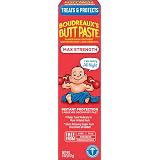
The effective management of infant diaper rash is a critical aspect of early childhood care, demanding a discerning approach to product selection and application. As highlighted in the accompanying video, identifying the best diaper cream for your child’s needs involves understanding a multitude of factors beyond simple brand recognition. A comprehensive understanding of the underlying causes of diaper dermatitis and the active ingredients in various formulations is genuinely essential for proactive prevention and efficient treatment.
Understanding Diaper Rash: Etiology and Manifestations
Diaper rash, medically termed diaper dermatitis, represents a common inflammatory skin condition affecting infants within the diapered region. Its primary genesis is often multifactorial, encompassing prolonged exposure to moisture, friction from the diaper itself, and irritation from urine and feces. These elements synergistically compromise the delicate stratum corneum, allowing irritants to penetrate and incite an inflammatory cascade within the skin barrier.
Two principal types of diaper rash are frequently observed among infants. Irritant contact dermatitis, the most prevalent form, typically manifests as erythema and papules in convex areas, sparing skin folds. Conversely, candidal diaper dermatitis, caused by an overgrowth of Candida albicans, presents with a more intensely erythematous eruption, often featuring satellite lesions that extend into the skin folds. Distinguishing between these presentations is paramount for guiding appropriate therapeutic interventions.
The Role of Skin Barrier Impairment
The integrity of the infant’s skin barrier is inherently more fragile and susceptible to damage compared to adult skin. A higher transepidermal water loss rate and a less developed acid mantle contribute to this vulnerability. When exposed to the occlusive, moist environment of a diaper, this barrier is further compromised, predisposing the skin to irritation and microbial proliferation. Understanding these physiological nuances informs the development and selection of a potent diaper rash cream.
Key Ingredients in Diaper Creams: A Deeper Dive
The efficacy of a diaper cream is fundamentally dictated by its active ingredients, each designed to address specific aspects of skin protection and healing. A detailed examination of these components is crucial for parents seeking optimal results in managing baby rash cream applications.
Occlusive Barrier Protectants
Occlusive agents form a physical barrier on the skin’s surface, preventing moisture, urine, and feces from making direct contact with the epidermis. These protectants are considered foundational in any effective diaper cream strategy.
- **Zinc Oxide:** This compound is widely recognized for its astringent, antiseptic, and mild anti-inflammatory properties. It provides a robust, impenetrable barrier against irritants while simultaneously helping to dry out weeping or oozing rashes. Concentrations typically range from 10% to 40% in over-the-counter formulations, with higher percentages generally offering greater protection and therapeutic benefit for more severe rashes.
- **Petroleum Jelly (Petrolatum):** A highly effective emollient and occlusive agent, petroleum jelly creates a long-lasting, hydrophobic barrier that prevents water loss and external irritants from reaching the skin. It is particularly valuable for daily prevention and for maintaining skin hydration, making it a staple ingredient in many routine barrier creams.
- **Lanolin:** Derived from sheep’s wool, lanolin functions as both an emollient and a semi-occlusive agent. It possesses exceptional moisturizing capabilities, attracting and holding water to the skin, while also forming a protective layer. Medical-grade anhydrous lanolin is frequently incorporated into diaper creams due to its hypoallergenic profile and beneficial healing properties.
Anti-inflammatory and Soothing Agents
While not primary barrier ingredients, certain components are included to alleviate discomfort and support skin repair. Ingredients like aloe vera, calendula, and chamomile extracts are sometimes found in formulations, offering mild anti-inflammatory and soothing effects. It is important to note that these are generally supportive and not primary treatments for severe inflammation.
Antifungal Components for Candidal Infections
When candidal diaper dermatitis is suspected or diagnosed, a standard diaper rash cream with only barrier protectants will likely prove insufficient. Antifungal agents, such as nystatin or clotrimazole, are specifically required to eradicate the yeast infection. These medications are typically available by prescription and should be administered under direct medical supervision, often in conjunction with a barrier cream.
Selecting the Optimal Diaper Cream
Choosing the most appropriate diaper cream involves considering the specific needs of the infant’s skin and the nature of the rash. A blanket approach is rarely as effective as a targeted strategy.
Considerations Based on Rash Severity and Type
For routine daily prevention, a lighter barrier cream containing petroleum jelly or a lower concentration of zinc oxide is usually sufficient. When mild to moderate irritant contact dermatitis is present, a thicker, higher-concentration zinc oxide cream often provides the necessary therapeutic action. The presence of satellite lesions or persistent redness strongly suggests a fungal infection, necessitating a medically prescribed antifungal treatment in addition to barrier support. Parents must remain vigilant regarding the characteristics of the rash.
Avoidance of Irritants
Many infants possess sensitive skin, making certain ingredients counterproductive. Formulations containing fragrances, dyes, parabens, phthalates, or alcohol should generally be avoided. These substances can exacerbate irritation and potentially trigger allergic reactions. Hypoallergenic formulations, meticulously tested for sensitivity, are routinely recommended, particularly for newborns and infants with a history of skin reactivity.
Proactive Strategies for Diaper Rash Prevention
Prevention remains the cornerstone of effective diaper rash management. Implementing a rigorous preventive regimen can significantly reduce the incidence and severity of diaper dermatitis, thereby improving infant comfort and reducing parental stress.
Frequent Diaper Changes
Minimizing the duration of skin exposure to wetness and irritants from urine and feces is paramount. Diapers should be changed promptly following urination or defecation. A practical guideline involves changing diapers every two to three hours during the day, and immediately upon detection of soiled contents. This consistent vigilance plays a crucial role in maintaining skin integrity.
Proper Cleansing Techniques
The diaper area should be cleansed gently yet thoroughly during each change. Lukewarm water and a soft cloth are often sufficient. If wipes are used, those that are fragrance-free, alcohol-free, and hypoallergenic are strongly advised. Rubbing should be avoided; instead, a dabbing motion is recommended to prevent friction-induced irritation. Ensuring complete removal of residual stool is also important to prevent bacterial proliferation.
Allowing Air Exposure
Intermittent air exposure to the diapered region facilitates drying and can reduce the occlusive environment conducive to rash development. During diaper changes, allowing the baby to remain diaper-free for a few minutes whenever practical can be highly beneficial. This simple practice promotes aeration and helps restore the skin’s natural balance. Such moments contribute significantly to preventing moisture accumulation.
Routine Barrier Cream Application
A thin layer of a high-quality diaper cream should be applied as a preventive measure at every diaper change, even when no rash is evident. This prophylactic application establishes a protective barrier that shields the skin from potential irritants before damage occurs. Consistency in this practice is key to maintaining healthy skin and mitigating future rash occurrences.
Application Techniques for Maximum Efficacy
Even the best diaper cream will not yield optimal results if applied incorrectly. Specific techniques enhance absorption, coverage, and overall therapeutic benefit.
Gentle Cleansing and Drying
Prior to applying any cream, the diaper area must be meticulously cleaned as described previously. Following cleansing, the skin should be allowed to air dry completely or be gently patted dry with a soft cloth. Applying cream to damp skin can trap moisture, potentially exacerbating the problem. A dry surface ensures maximum adhesion and efficacy of the barrier cream.
Thick Layer Application
Unlike some lotions or moisturizers, diaper cream should generally be applied in a generous, thick layer. The goal is to create an opaque coating that completely covers the affected or susceptible skin area. This ensures a robust physical barrier is established, capable of repelling moisture and irritants effectively until the next diaper change. It should not be rubbed in until it disappears.
Consistency and Monitoring
Consistent application at every diaper change is paramount for both prevention and treatment. Regular monitoring of the rash’s progression is also essential. If the rash shows no signs of improvement or worsens despite consistent application of a suitable over-the-counter baby rash cream, further medical evaluation becomes necessary. Timely intervention prevents complications.
When Professional Medical Consultation is Warranted
While many cases of diaper rash respond well to home care and appropriate use of over-the-counter diaper rash cream, certain signs and symptoms necessitate professional medical attention. Recognizing these indicators is vital for ensuring the infant receives prompt and effective treatment.
- **Persistent Rash:** A rash that does not improve within two to three days despite diligent application of barrier cream and meticulous hygiene practices warrants a visit to the pediatrician.
- **Worsening Symptoms:** If the rash spreads rapidly, becomes intensely red, or appears more inflamed and painful, medical consultation is immediately indicated.
- **Signs of Infection:** The presence of pus-filled pimples, open sores, blisters, or oozing suggests a possible bacterial or fungal superinfection, requiring specific medical treatment.
- **Fever:** Any rash accompanied by a fever should be evaluated by a healthcare professional, as it may indicate a more systemic infection.
- **Infant Discomfort:** If the baby appears to be in significant pain, is unusually fussy, or resists diaper changes due to discomfort, professional advice is advised.
Timely medical intervention can prevent complications and ensure the rapid resolution of more complex cases of diaper dermatitis, confirming that the best diaper cream is sometimes a prescribed one.
From Redness to Relief: Your Diaper Rash Cream Q&A
What is diaper rash?
Diaper rash, also known as diaper dermatitis, is a common inflammatory skin condition that affects infants in the area covered by a diaper. It usually appears as redness and sometimes small bumps.
What commonly causes diaper rash?
Diaper rash is often caused by prolonged exposure to moisture, friction from the diaper, and irritation from urine and feces. These elements can damage the baby’s delicate skin barrier.
What are some common ingredients found in diaper creams?
Key ingredients often include Zinc Oxide, which forms a strong protective barrier, and Petroleum Jelly (Petrolatum) or Lanolin, which help moisturize and seal the skin from irritants.
How can I help prevent diaper rash?
You can prevent diaper rash by changing diapers frequently, gently cleaning and drying the diaper area thoroughly, allowing for occasional air exposure, and applying a thin layer of barrier cream at each change.
When should I see a doctor about my baby’s diaper rash?
You should consult a doctor if the rash doesn’t improve within two to three days, worsens, shows signs of infection (like pus or open sores), or if your baby develops a fever or significant discomfort.