Have you ever wondered why your newborn’s delicate skin seems to be peeling, leaving you feeling a mix of concern and confusion? As Dr. Priyanka Reddy explains in the video above, this phenomenon, known as newborn skin shedding, is a completely natural and common process. Understanding this vital transition, and knowing how to support your baby’s skin during these early weeks, can provide immense peace of mind for new parents.
Understanding Newborn Skin Shedding: A Natural Transition
Newborn skin shedding is an essential part of an infant’s adjustment from the aquatic, warm environment of the womb to the drier, external world. For approximately 60-70% of newborns, particularly those born at or past their due date, this peeling becomes noticeable within the first few days or weeks of life. It’s a normal physiological response as the outermost layer of skin, the stratum corneum, adapts to its new function, effectively shedding cells that are no longer needed.
This process is rarely a cause for alarm. The skin’s journey from a perpetually moist habitat to one exposed to air and environmental triggers necessitates a significant re-calibration of its barrier function. Experts highlight that this initial shedding is primarily about refining the skin’s protective capabilities. Instead of being fragile, it’s actually a sign of the skin strengthening itself for life outside the womb.
Why Baby’s Skin Needs Special Care: The Science Behind Transepidermal Water Loss
Newborn skin, while resilient, is also remarkably immature compared to adult skin. One crucial aspect of this immaturity is its susceptibility to transepidermal water loss (TEWL). TEWL refers to the amount of water that passively evaporates from the skin’s surface into the environment. A study published in the journal ‘Pediatric Dermatology’ indicates that infant skin exhibits significantly higher TEWL rates than adult skin, making it more prone to dryness and irritation.
The skin’s barrier function, which protects against irritants and prevents moisture loss, is still developing in infants. Their stratum corneum, the outermost protective layer, is approximately 20-30% thinner than an adult’s. This structural difference, combined with a higher surface area to volume ratio, means babies lose water from their skin more readily. Consequently, understanding how to minimize TEWL is key to keeping a baby’s skin healthy and comfortable, especially during the period of newborn skin shedding.
Key Characteristics of Newborn Skin
Recognizing the unique properties of newborn skin helps in providing optimal care. It is generally softer, thinner, and more delicate, making it highly sensitive to external factors. The pH of a newborn’s skin is also higher than an adult’s, around 6.5, which gradually decreases to an acidic pH of 4.5-5.5 over the first few months. This higher initial pH can make it more vulnerable to microbial growth and irritation from harsh products.
Moreover, newborn skin has fewer natural moisturizing factors (NMFs) and lipids, which are crucial for maintaining hydration and barrier integrity. The immaturity of sweat glands and sebaceous glands also impacts temperature regulation and natural lubrication. These characteristics collectively emphasize the need for gentle, supportive skincare that respects the skin’s natural developmental process.
Essential Skincare Tips for Your Newborn
Supporting your baby’s skin through its initial adjustments doesn’t require complex routines, but rather consistent, gentle practices. As Dr. Reddy advises, simple steps can significantly reduce flaking and enhance comfort.
Gentle Cleansing Practices
Bathing a newborn should be done mindfully to avoid stripping natural oils. Limiting baths to 2-3 times a week, using lukewarm water (around 100°F or 38°C), and keeping them short (5-10 minutes) is generally recommended. Opt for a mild, pH-neutral, soap-free cleanser specifically designed for infants. These products are formulated to clean without disrupting the delicate skin barrier.
The Power of Moisturization
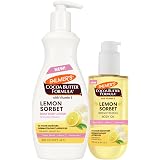
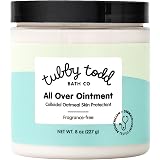
Moisturization is perhaps the most crucial step in managing newborn skin shedding and preventing excessive dryness. Applying a generous amount of a suitable moisturizer immediately after a bath, while the skin is still damp, helps to lock in moisture. This practice is scientifically supported, as dermatological studies demonstrate that early and consistent moisturization can improve skin barrier function and reduce the incidence of dry skin conditions. Look for thick creams or ointments rather than lotions, as they typically offer superior hydration and a better barrier against moisture loss.
Prioritizing Fragrance-Free Products
One of the most impactful choices parents can make is selecting fragrance-free products. Fragrances, even those derived from natural sources, are common allergens and irritants. They can disrupt the skin barrier, leading to redness, itching, and increased dryness, especially in sensitive newborn skin. A comprehensive review in ‘Clinical and Experimental Allergy’ highlights fragrances as a significant cause of contact dermatitis in infants and young children. Always check labels for terms like “fragrance-free,” “unscented,” or “hypoallergenic” to ensure minimal irritants.
Protecting Against Environmental Factors
Beyond bathing and moisturizing, protecting your baby’s skin from environmental stressors is vital. Dress your baby in soft, breathable cotton clothing that doesn’t irritate the skin or cause overheating. Ensure the nursery has adequate humidity, especially in dry climates or during winter, by using a cool-mist humidifier. While not directly related to shedding, remember that sun exposure should be minimized for newborns; protective clothing and shade are preferable to sunscreen in the first six months.
Choosing the Best Baby Skincare Products
Navigating the myriad of baby products can be overwhelming. Focusing on key characteristics can simplify the decision-making process for your infant’s skin health.
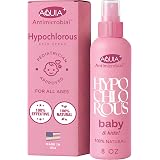
- Hypoallergenic and Dermatologist-Tested: These labels indicate products that have been formulated to minimize allergic reactions and have been reviewed by skin specialists.
- pH-Balanced: Products with a pH close to that of healthy infant skin (around 5.5 after the first few weeks) help maintain the natural acidic mantle, which is vital for barrier function.
- Dye-Free and Paraben-Free: Dyes can be unnecessary irritants, and parabens, while common preservatives, are often avoided due to potential endocrine disruption concerns, though research is ongoing.
- Emollients and Humectants: Look for ingredients like petrolatum, mineral oil, shea butter, glycerin, or ceramides. Emollients create a protective layer to prevent water loss, while humectants attract and hold water in the skin.
Avoid ingredients such as phthalates, sulfates (SLS/SLES), alcohol, and strong essential oils, which can be harsh and drying or cause irritation to sensitive skin. Always patch-test new products on a small area of your baby’s skin before widespread use.
When to Consult a Pediatrician
While newborn skin shedding is usually harmless, there are instances when medical advice is warranted. If the peeling is accompanied by redness, inflammation, significant itching, oozing, or cracked skin, it could indicate something more than normal shedding. Conditions like eczema (atopic dermatitis) or fungal infections can mimic dry, peeling skin. Should you observe any unusual rashes, persistent irritation, or if you are simply concerned, consulting your pediatrician or a pediatric dermatologist is always the best course of action for peace of mind regarding your baby’s skin.
Ultimately, observing newborn skin shedding can be a moment of wonder at your baby’s developmental journey. By following simple, gentle skincare practices and choosing appropriate products, parents can effectively support their infant through this natural process. Remember, the goal is to help your baby’s skin adjust smoothly to the world, keeping it soft, supple, and protected during these crucial first weeks of life.
Shedding Light on Newborn Skin: Your Skincare Questions Answered by Dr. Priyanka Reddy
What is newborn skin shedding, and is it normal?
Newborn skin shedding is a natural process where your baby’s skin gently peels in the first few days or weeks of life. This is completely normal as the skin adapts from the moist womb environment to the drier external world.
Why does newborn skin need special care?
Newborn skin is thinner, more delicate, and more prone to dryness compared to adult skin. It needs special care because its protective barrier is still developing, making it sensitive to irritants and moisture loss.
What are the most important tips for caring for my baby’s shedding skin?
The most important tips include giving short, gentle baths with mild, fragrance-free cleansers, and regularly moisturizing your baby’s skin with a thick, fragrance-free cream or ointment, especially after baths.
When should I be concerned about my newborn’s skin peeling?
You should consult a pediatrician if the peeling is accompanied by redness, inflammation, significant itching, oozing, cracked skin, or any unusual rashes.