The arrival of a newborn marks a period of profound discovery. Your tiny explorer begins a lifelong journey. Every day presents new sensory experiences. From grasping objects around three months, to those initial, wobbly steps, growth is constant. After these daily explorations, a gentle, soothing bath is often welcomed. It offers both cleanliness and deep relaxation. The video above provides a wonderful visual guide. It demonstrates essential steps for making bath time a joyful ritual.
Mastering the Gentle Baby Bath: A Deep Dive into Infant Skin Care
I recall my first time bathing a newborn. It was an exercise in extreme caution. The baby seemed so fragile in my hands. New parents often experience this initial trepidation. However, with practice, bath time transforms. It becomes a deeply cherished bonding experience. Understanding the nuances of infant hygiene is key. This ensures both safety and comfort.
1. Essential Preparations for a Serene Baby Bath
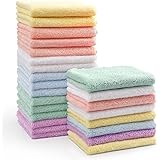
Successful bathing begins with meticulous planning. A prepared environment reduces stress significantly. All necessary supplies must be within arm’s reach. This prevents leaving the infant unattended. Essential items include soft towels and a clean baby tub.
Moreover, a mild baby soap is crucial. A tear-free baby shampoo is also indispensable. A changing mat and fresh diaper should be ready. Lastly, a playful bath toy, like a little rubber alligator, aids engagement. These small details ensure a smooth process.
2. The Science of Warmth: Optimal Water Parameters
Water temperature is a critical safety factor. The tub should contain approximately three inches of lukewarm water. This depth is sufficient for cleansing. Water temperature must be meticulously tested. Use your wrist’s underside, or dip your elbow. The water should feel comfortably warm, not hot. An ideal range is between 98 to 100 degrees Fahrenheit (37-38°C). This protects the baby’s delicate thermoregulation system.
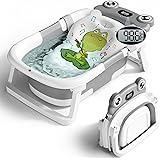
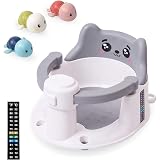
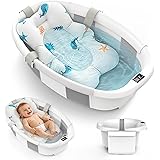
Furthermore, consider specialized bathing aids. A baby bathtub support or sling is highly recommended. It offers enhanced security. It frees a parent’s hands for washing. Without one, a firm, gentle grip must be maintained. This prevents any accidental slips. Safety remains paramount throughout the procedure.
3. The Art of Cleansing: Techniques for Sensitive Skin
Slowly introduce your baby into the tub. Feet first is the recommended approach. This allows gradual acclimatization. Gently pour handfuls of water over the baby’s body and head. The entire body surface should be thoroughly wet. Avoid direct water contact with the eyes. Infant ocular membranes are highly sensitive.
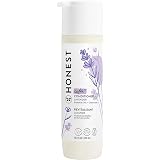
Secondly, product selection is vital. A mild baby soap or bath is indispensable. It should feature natural oils. The absence of artificial colors is also critical. These formulations respect the infant’s developing epidermal barrier. They minimize the risk of dermatological irritation. Lather your hand with the chosen product. Apply it with the utmost gentleness. This ensures thorough yet non-abrasive cleansing.
Himalaya’s Gentle Baby Bath products exemplify this philosophy. They incorporate natural ingredients. Almond oil provides emollient properties. Flower extracts contribute soothing benefits. Aloe vera offers anti-inflammatory effects. Such formulations are pH-balanced. They maintain the skin’s natural protective acidic mantle.
4. Head-to-Toe Care: Gentle Hair Washing and Rinsing
Washing the scalp requires specific attention. Apply a few drops of mild, tear-free baby shampoo. Use a wet cloth for application. Gently massage the scalp. This removes cradle cap scales effectively. Throughout the bath, maintain engagement. Talk or sing to your baby. This fosters a positive association with bathing. It strengthens the parent-child bond. If the baby is reluctant, introduce a distraction. A toy, like the green rubber alligator, often helps.
Rinsing must be comprehensive. Use handfuls of clean water. Ensure all soap residue is removed. Residual soap can cause skin dryness. It can also lead to irritation. Carefully lift the baby from the tub. Support the head and neck securely. Promptly wrap the baby in a soft towel. Pat the skin dry thoroughly. Avoid rubbing, which can damage the cutaneous barrier.
5. Post-Bath Rituals: Hydration and Comfort
The post-bath period is crucial for skin health. Immediate moisturization is essential. This replenishes lost skin lipids. It helps prevent trans-epidermal water loss. Choose a gentle, hypoallergenic baby lotion. Apply it liberally over the entire body. Look for products with occlusive or humectant properties. These ingredients lock in moisture. They support the integrity of the infant’s delicate skin barrier.
After moisturizing, diaper and dress the baby. This protects the newly hydrated skin. A comforting peck on the cheek is the perfect send-off. The baby is now refreshed and ready. They may resume exploring their world. Or perhaps, a peaceful nap awaits. This gentle baby bath routine provides optimal care. It supports healthy skin development.
Herbal Harmony for Baby’s Bath: Your Questions Answered
What essential items do I need to prepare for a baby bath?
You will need soft towels, a clean baby tub, mild baby soap, tear-free shampoo, a changing mat, a fresh diaper, and optionally a small bath toy.
How warm should the bathwater be for my baby?
The bathwater should be comfortably warm, ideally between 98 to 100 degrees Fahrenheit (37-38°C). Always test the water with your wrist or elbow to ensure it’s not too hot.
What kind of bath products should I use for my baby’s delicate skin?
It’s best to use mild baby soaps and shampoos that are tear-free, contain natural oils, and are free of artificial colors. Look for formulations that are pH-balanced to protect their skin.
What should I do immediately after my baby’s bath?
After gently patting your baby’s skin dry with a soft towel, apply a gentle, hypoallergenic baby lotion to moisturize, then diaper and dress them.