Are you feeling overwhelmed by the sheer volume of baby products available for your newborn? Many new parents grapple with the challenge of distinguishing between essential newborn baby products and unnecessary gadgets. While the market offers countless options, navigating them successfully means prioritizing safety, practicality, and your baby’s comfort above all else. The helpful video above provides a concise overview, and this article will expand on those crucial insights, offering deeper detail and practical advice for assembling your newborn’s essential kit.
Establishing Your Newborn’s Wardrobe: Comfort and Practicality
Choosing the right clothing for your newborn is about more than just aesthetics; it focuses on comfort, warmth, and ease of use. Soft cotton onesies are a fundamental building block for any infant’s wardrobe, providing a gentle layer against delicate skin. Pediatricians often recommend natural fibers like organic cotton due to its breathability and reduced risk of skin irritation, which is a common concern for approximately 20% of infants.
Additionally, sleepers are invaluable for nighttime, offering full-body coverage that keeps baby cozy without the need for loose blankets. You will also need caps to protect newborns’ sensitive heads, especially in cooler environments, as infants can lose a significant amount of heat through their heads. Furthermore, mittens are essential to prevent accidental scratches from tiny, sharp nails, and socks ensure little feet stay warm. Experts suggest having a minimum of 6-10 onesies and sleepers in newborn sizes, considering that infants often require several changes throughout the day.
Diapering Essentials for Your Newborn’s Hygiene
Diapers are undeniably a daily necessity, and selecting the right ones is paramount for your baby’s comfort and hygiene. Newborn-specific diapers are designed with a cutout for the umbilical cord stump and often feature a wetness indicator, helping new parents easily identify when a change is needed. Most infants use 8-12 diapers per day in their first few weeks, so stocking up is a sensible strategy.
Accompanying diapers are wipes, which should be fragrance-free and hypoallergenic to protect sensitive newborn skin. Alternatively, many parents opt for soft cotton cloths with warm water, a method frequently recommended by dermatologists for its gentleness. Moreover, a quality diaper rash cream, containing ingredients like zinc oxide or petrolatum, is crucial for protecting the diaper area. Studies indicate that up to 35% of infants experience diaper rash at some point, making this a preventative and soothing essential.
Creating a Safe Sleep Environment for Infants
Establishing a safe sleep space is one of the most critical aspects of newborn care, directly impacting your baby’s well-being. A firm mattress within a crib, bassinet, or baby cot provides the necessary support for safe sleep. The American Academy of Pediatrics strongly advises against soft bedding, pillows, bumpers, and stuffed toys in the sleep area, as these items significantly increase the risk of suffocation.
Fitted sheets specifically designed for the mattress ensure a snug fit, preventing them from coming loose and creating a hazard. Swaddles or sleep sacks are highly recommended for keeping babies warm and secure. Swaddling can mimic the womb environment, helping babies feel calm and promoting longer sleep stretches, a benefit reported by over 60% of new parents. Ensure the swaddle is applied correctly, allowing for hip movement, and discontinue use once your baby shows signs of rolling over.
Feeding Your Newborn: Supplies for Breastfeeding and Bottle-Feeding
Feeding is a cornerstone of newborn care, and the essential products vary depending on whether you breastfeed, bottle-feed, or do a combination. Breastfeeding mothers may find nursing bras, which offer comfort and support, and breast pads, crucial for absorbing leaks, to be indispensable. Burp cloths are universally helpful for both feeding methods, catching spit-up and protecting clothing.
For bottle-feeding parents, a selection of bottles and nipples is essential. Bottles come in various materials, including glass, plastic, and silicone, each with its own advantages. Nipple flows are graded by age, ensuring the baby receives milk at an appropriate pace, preventing gagging or frustration. Additionally, a bottle cleaning brush and sterilizing equipment are important for maintaining hygiene, as infant immune systems are still developing.
Bathing and Skincare for Delicate Baby Skin
Bath time is not only about cleanliness but also an opportunity for bonding with your newborn. A mild, tear-free baby body wash and shampoo are important for gently cleansing delicate skin and hair. Always look for products that are hypoallergenic, pH-balanced, and free from strong fragrances or harsh chemicals, as these can irritate an infant’s skin, which is 20-30% thinner than adult skin.
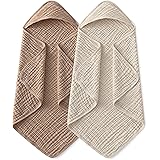
After bathing, baby lotion or moisturizer can help replenish the skin’s natural barrier and prevent dryness, particularly in sensitive areas. Studies show regular moisturizing can reduce the incidence of eczema in high-risk infants by up to 50%. Soft towels and washcloths, preferably made from cotton or bamboo, provide gentle drying. Moreover, a baby bathtub makes bath time safer and more convenient, cradling your newborn securely and reducing strain on your back.
Essential Health, Grooming, and Safety Items
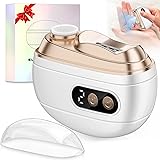
Having a few key health and safety items on hand provides peace of mind and addresses common newborn needs. A reliable baby thermometer is a crucial tool for monitoring your infant’s temperature, especially when they seem unwell. Digital rectal thermometers are often recommended by pediatricians for accuracy in newborns. Nail clippers or a baby nail file are necessary for keeping tiny nails short, preventing scratches to your baby’s delicate skin.
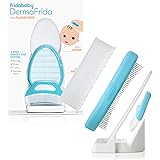
A small grooming kit, often including a soft-bristle brush and a fine-tooth comb, helps manage your baby’s hair and can be soothing. Furthermore, while not explicitly mentioned in the video, a basic baby first-aid kit containing saline drops, a nasal aspirator, and antiseptic wipes is highly advisable. Preparing these items beforehand ensures you are ready for minor health concerns, as approximately 75% of parents report needing such items in their baby’s first year.
On-the-Go Essentials: Travel and Portability
As your baby grows, you will inevitably venture out, making safe travel gear a top priority. A baby car seat is non-negotiable for safe transportation from day one. Choosing the correct car seat (infant car seat, convertible, or all-in-one) depends on your needs, but ensuring it is properly installed according to manufacturer instructions and local safety standards is paramount. Incorrect installation is a factor in a significant percentage of child restraint failures, emphasizing the need for professional checks.
While not strictly “must-have” for every family, a stroller or a baby carrier can greatly simplify outings. A stroller provides a convenient way to transport your baby and supplies, while a baby carrier offers the benefits of closeness and hands-free mobility. Selecting these items depends on your lifestyle, but always prioritize safety features, ergonomic design, and ease of use when considering these valuable newborn baby products.
Navigating Newborn Essentials: Your Q&A for New Parents
What types of clothing are essential for a newborn?
Soft cotton onesies are a fundamental building block for comfort, and sleepers are invaluable for nighttime warmth. You’ll also need caps, mittens, and socks to protect your baby and keep them cozy.
How many diapers does a newborn typically use in a day?
Most infants use 8-12 diapers per day in their first few weeks, so it’s a good idea to stock up. Newborn-specific diapers often have a cutout for the umbilical cord stump and a wetness indicator.
What makes a safe sleep environment for a newborn?
A safe sleep space requires a firm mattress within a crib, bassinet, or baby cot, along with fitted sheets. It’s very important to avoid soft bedding, pillows, bumpers, or stuffed toys in the sleep area due to suffocation risks.
What basic health and grooming items should I have for my newborn?
A reliable baby thermometer is crucial for monitoring temperature, and nail clippers or a baby nail file are needed to keep tiny nails short. A soft-bristle brush can also be helpful for grooming your baby’s hair.
Is a car seat truly essential for a newborn?
Yes, a baby car seat is non-negotiable for safe transportation from day one. It’s paramount to ensure it is properly installed according to manufacturer instructions and local safety standards.