Bringing a newborn baby home marks the beginning of a beautiful, yet often overwhelming, new chapter. Parents often find their priorities shifting dramatically, with ensuring warmth and proper nourishment topping the list of concerns. However, as insightfully highlighted in the video above, one equally crucial aspect, often underestimated, is the meticulous care of your newborn’s skin. This delicate organ serves as the baby’s first line of defense against the external environment, demanding gentle attention to maintain its health and integrity.
Newborn baby skin is remarkably different from adult skin; it is considerably thinner, more sensitive, and inherently more delicate. This makes it highly susceptible to environmental changes, such as fluctuations in humidity or temperature, which can readily affect its condition. Consequently, understanding the unique characteristics of infant skin and adopting appropriate skincare routines is paramount. The goal is to protect it from potential infections, irritation, dryness, and chafing, thereby ensuring the comfort and well-being of the infant.
Understanding the Unique Nature of Newborn Skin
The skin of a newborn baby is an exquisite and intricate organ, profoundly different from the more robust skin of an adult. It is known to be significantly thinner, which implies that its protective barrier is not yet fully developed. This inherent fragility renders the baby’s skin highly vulnerable to external aggressors, including irritants, allergens, and microbial agents, which might otherwise be repelled by mature skin. Furthermore, its delicate structure means it is more prone to losing moisture, leading to dryness if not properly cared for.
Upon birth, many babies are covered with a creamy, white, protective coating known as vernix caseosa. This natural layer acts as a vital barrier, offering protection against amniotic fluid exposure in the womb and continuing to shield the skin during the initial days after birth. It is typically observed that this vernix naturally peels off within approximately one week following birth, eliminating the need for aggressive scrubbing or the application of creams. For babies born post-term, this protective layer may have already shed while still in the womb, demonstrating nature’s own gentle process of adaptation.
In addition to its physical vulnerability, a baby’s sensitive skin plays a critical role in their developmental journey. The gentle touch of a mother or caregiver is known to impart a soothing and nurturing effect, which is incredibly beneficial for the infant’s overall development. This physical connection, facilitated by skin-to-skin contact, not only strengthens the bond between parent and child but also contributes positively to the baby’s emotional and physical well-being. Therefore, handling a newborn’s skin with extreme caution and maintaining a high degree of personal hygiene are not merely recommendations but essential practices for optimal infant health.
The “Less Is More” Philosophy for Newborn Baby Skin Care
When it comes to nurturing newborn skin, a fundamental principle that should always be kept in mind is “less is more.” This approach advocates for minimizing interventions and restricting the use of products to only what is absolutely necessary. The rationale behind this philosophy stems from the understanding that a newborn’s skin, being inherently delicate and in a phase of adjusting to the external environment, benefits most from natural processes and minimal disruption. Over-exposure to various substances, even those marketed for babies, can potentially overwhelm its nascent protective capabilities.
Frequent bathing, for example, is one area where the “less is more” principle directly applies. While cleanliness is important, excessive bathing can strip the baby’s skin of its natural oils, leaving it dry, vulnerable, and more susceptible to conditions such as eczema. Instead, targeted cleaning of specific areas and adhering to recommended bathing frequencies are more beneficial. Similarly, selecting only a few, high-quality, and genuinely gentle products rather than a multitude of different lotions and potions ensures that the skin’s natural balance is maintained.
Furthermore, allowing the baby’s skin to breathe and recover naturally between care routines is an integral part of this philosophy. This can be as simple as allowing the diaper area to air dry before applying a new diaper or dressing the baby in loose, breathable clothing. By embracing this minimalist approach, parents can support the development of a healthy skin barrier and prevent many common skin issues. The focus thus shifts from active intervention to supportive care, allowing the baby’s skin to thrive in its most natural state.
Gentle Bathing Practices for Newborn Skin Health
Bathing a newborn is a significant part of their care routine, yet it requires specific attention to detail given their delicate skin. Unlike adults, newborns are not exposed to the same levels of dirt and grime, so frequent bathing is generally not required. The video thoughtfully outlines recommended bathing frequencies, which are essential for maintaining the skin’s natural oils and preventing dryness. For instance, when the umbilical cord is still attached, a sponge bath once a week is typically advised, focusing on cleaning specific areas rather than a full immersion.
Once the umbilical cord has detached and the baby is under three months of age, sponge baths can be increased to two to three times a week. As the baby grows older, specifically between three months and one year, the frequency can be further adjusted to three to four times a week. During these baths, lukewarm water should always be used, as water that is too hot or too cold can be shocking or irritating to the baby’s sensitive skin. It is also crucial to ensure that the room temperature is comfortably warm when the baby is brought out of the bath, preventing any chilling effect.
The drying process is equally important; a soft cotton towel should be used, and the baby’s skin should be gently patted dry rather than rubbed vigorously. Particular attention should be paid to drying skin folds, where moisture can accumulate and lead to irritation. While full baths are infrequent, the areas around the baby’s mouth and the diaper area require daily cleaning with a mild cleanser and water, followed by thorough drying and moisturizing. This targeted approach helps maintain hygiene without over-exposing the baby’s entire skin surface to cleansers and water, thereby safeguarding its natural protective barrier.
Choosing the Right Baby Products: A Mindful Approach
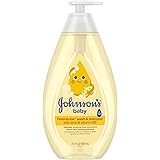
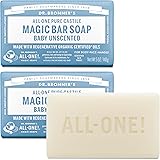
Selecting appropriate products for newborn baby skin care is a decision that requires careful consideration. Given the inherent sensitivity and fragility of infant skin, the types of products applied can significantly impact its health and well-being. It is strongly recommended to opt for products that are specifically designed for babies and are formulated with natural and organic ingredients. Such products are typically milder, reducing the risk of irritation or allergic reactions that could otherwise occur with harsher formulations.
When choosing baby products, key attributes to look for include terms like “mild,” “tear-free,” “hypoallergenic,” and “fragrance-free.” Fragrances, in particular, are common culprits for skin irritation and should be completely avoided in baby skincare products. Similarly, harsh antibacterial agents and products containing a long list of unpronounceable chemicals are best sidestepped. The principle here is to minimize exposure to potential irritants, thereby protecting the skin’s delicate barrier function and preventing issues like rashes or dryness.
Furthermore, it is advisable to refrain from experimenting with numerous new products on a newborn’s skin. If a new product is introduced, it should be done one at a time, and the baby’s skin should be closely monitored for any signs of allergy or irritation, such as redness, itching, or dryness. Should any adverse reaction occur, the use of the product should be discontinued immediately, and medical advice sought if necessary. Consulting with a pediatrician regarding suitable skincare products is always a sensible step, ensuring that the chosen items are indeed the best and most appropriate for the baby’s unique needs.
Combating Diaper Rash: Prevention and Care
Diaper rash is a prevalent concern among parents of newborns, often leading to discomfort for the baby and distress for the caregivers. This common skin irritation is typically caused by prolonged exposure to soiled or wet diapers, but it can also stem from friction, allergic reactions to diaper materials or detergents, or even fungal infections. Recognizing the early signs of diaper rash and implementing effective preventive measures are crucial for maintaining the baby’s skin health and comfort, as thoroughly discussed in the accompanying video.
The cornerstone of preventing diaper rash lies in frequent diaper changes; babies should never be left in a soiled or wet diaper for extended periods. As soon as a diaper is soiled, it should be promptly changed to minimize contact between the baby’s skin and irritants like urine and feces. Following a diaper change, the baby’s bottom should be thoroughly cleaned with water and a mild, fragrance-free cleanser, or simply with a soft, wet cloth. After cleaning, it is incredibly beneficial to allow the area to air dry completely for a few minutes before putting on a new diaper, as this helps to prevent moisture buildup which can exacerbate irritation.
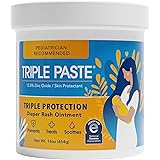
The choice and fit of the diaper also play a significant role in preventing rash. Diapers should be soft, highly absorbent, and fit properly—neither too tight nor too loose—to prevent chafing and allow for air circulation. If cloth nappies are used, they must be changed frequently and washed thoroughly with a mild, perfume-free detergent, ensuring all detergent residue is rinsed away. In cases where a rash does develop, a thin layer of zinc oxide-based diaper cream can be applied to create a protective barrier, and if the rash persists or worsens, medical consultation is strongly advised to rule out more serious infections.
The Soothing Power of Touch: Baby Massage
Baby massage is much more than a simple skincare routine; it is a profoundly beneficial practice that significantly contributes to the physical and emotional well-being of a newborn. This gentle ritual serves as a wonderful opportunity for a mother or caregiver to bond with the baby, fostering a sense of security and attachment through nurturing touch. Beyond the emotional connection, regular massage actively aids in nourishing and moisturizing the baby’s delicate skin, promoting its suppleness and overall health.
When considering oils for baby massage, the importance of choosing natural and organic options cannot be overstated. High-quality organic coconut oil or olive oil are frequently recommended due to their gentle properties and moisturizing benefits, making them ideal for sensitive infant skin. These natural oils are known to be free from harsh chemicals and artificial fragrances, which are common irritants that can provoke allergic reactions or discomfort in babies. Conversely, oils containing perfumes or synthetic additives should be completely avoided to protect the baby’s vulnerable skin from unnecessary exposure to potentially harmful substances.
The act of massage itself involves gentle, rhythmic strokes that stimulate blood circulation and can help in the baby’s relaxation. It can also assist in alleviating common infant discomforts such as gas or colic. During the massage, parents are encouraged to observe their baby’s cues, ensuring the experience is enjoyable and not overwhelming. This dedicated time not only deeply moisturizes the baby’s skin but also supports sensory development and contributes to a calm demeanor, illustrating how a simple act of touch can yield multifaceted benefits for both the infant and the caregiver.
Clothing Choices for Optimal Newborn Skin Comfort
The selection of clothing for a newborn baby is another critical aspect of maintaining optimal newborn skin health. Given that babies often sweat frequently in their skin folds, leading to conditions like prickly heat rashes, careful consideration of fabric and fit is paramount. It is consistently recommended that babies be dressed in loose-fitting, soft cotton clothing. Cotton is a natural fiber renowned for its breathability and absorbency, which allows air to circulate around the baby’s skin and wicks away moisture, thereby preventing irritation and discomfort.
Conversely, synthetic fabrics are best avoided for infant wear due to their potential to cause abrasive rashes and allergic reactions. Materials like polyester or nylon tend to trap heat and moisture against the skin, creating an environment conducive to irritation and bacterial growth. The rougher texture of some synthetics can also chafe the delicate skin, leading to redness and discomfort. Therefore, prioritizing soft, breathable cotton ensures that the baby’s skin remains comfortable, dry, and free from unnecessary friction, contributing significantly to overall skin integrity.
Furthermore, appropriate layering of clothing is essential to regulate the baby’s body temperature effectively without overheating or chilling them. Even with cotton, too many layers can lead to excessive sweating. Always aim for one more layer than what an adult would comfortably wear in the same environment. This thoughtful approach to clothing helps in preventing common skin issues such as heat rash and ensures that the baby’s skin is protected from both environmental extremes and irritating materials, supporting a healthy and happy infant.
The Essential Role of Moisturizing Delicate Baby Skin
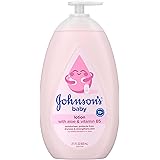
Moisturizing is an indispensable step in the care routine for newborn baby skin, particularly because infant skin is highly prone to dryness. Its immature barrier function means it can lose moisture rapidly, making it essential to replenish hydration consistently. Regular moisturizing helps to keep the skin supple, nourished, and effectively hydrated, creating a stronger barrier against environmental irritants and maintaining its natural elasticity and softness.
The ideal time to moisturize a baby’s skin is immediately after a bath, when the skin is still slightly damp. Before applying any product, the skin should be gently patted dry with a soft cotton towel, or allowed to air dry, ensuring it is not completely stripped of moisture. A mild, organic, and natural moisturizer specifically designed for babies should then be applied gently to the entire body. It is crucial to choose a moisturizer that is free from fragrances, dyes, and harsh chemicals, as these can easily irritate sensitive newborn skin and undermine the protective benefits.
Consistent application of a suitable moisturizer supports the skin’s natural lipid barrier, which is vital for preventing water loss and shielding against external aggressors. This practice not only combats dryness but also contributes to the prevention of more significant skin conditions like eczema, which can be exacerbated by inadequate hydration. Therefore, incorporating a gentle moisturizing routine into daily baby care is a proactive measure for promoting lasting skin health and ensuring the baby’s comfort.
Laundry Care: Protecting Skin Through Cleanliness
The way a baby’s clothes and bedding are laundered significantly impacts the health of their sensitive skin. The choice of laundry detergent, in particular, can be a hidden source of irritation if not selected carefully. It is important to opt for detergents that are mild and, crucially, perfume-free. Perfumes and harsh chemicals commonly found in conventional laundry detergents can linger on fabrics after washing and come into direct contact with the baby’s skin, potentially triggering allergic reactions, rashes, or exacerbating existing sensitivities.
Furthermore, a recommended practice is to always wash new clothes and bedding before they are used for the baby. Items often come from the factory with sizing, dyes, and other chemical finishes that can be irritating to delicate skin. A pre-wash helps to remove these residues, making the garments safer and more comfortable for the infant. This initial wash also softens the fabric, which is an added benefit for a baby’s tender skin.
Another key aspect of laundry care involves washing baby laundry separately from the rest of the family’s clothes. This practice helps to ensure that no harsh detergents or strong fabric softeners intended for adult clothing are transferred to baby items. Additionally, it minimizes the potential exposure to allergens or irritants from other garments. By adopting these mindful laundry practices, caregivers can further safeguard their newborn’s skin, ensuring that their clothing and bedding contribute positively to overall comfort and skin health.
General Hygiene and Handling Sensitive Baby Skin
Given the extreme delicacy and sensitivity of a newborn’s skin, caregivers are required to exercise an elevated level of caution and maintain impeccable personal hygiene. Before any direct contact with the baby, especially for tasks involving their skin, it is absolutely imperative to thoroughly wash hands with soap and water. This simple yet critical step helps to prevent the transfer of germs, bacteria, and other potential irritants from the caregiver’s hands to the baby’s vulnerable skin, significantly reducing the risk of infection or skin issues.
Maintaining a high degree of personal hygiene extends beyond just hand washing; it involves ensuring that anyone who handles the baby is clean and free from strong perfumes or lotions that could irritate the baby’s respiratory system or skin. Caregivers should also be mindful of their own skin conditions or any potential allergens they might carry, taking necessary precautions. The goal is to create as sterile and gentle an environment as possible around the newborn, whose immune system and skin barrier are still developing.
Every interaction with the baby’s skin should be characterized by gentleness. This means avoiding harsh rubbing, pulling, or applying excessive pressure during bathing, changing, or dressing. The tenderness of infant skin necessitates a soft touch, almost as if handling the most delicate of fabrics. By combining meticulous personal hygiene with gentle handling techniques, caregivers can provide the optimal environment for their newborn baby’s skin to thrive, ensuring its protection and promoting its healthy development in these critical early weeks.
Nurturing Softness: Your Baby Skin Care Q&A
Why is newborn baby skin so special?
Newborn skin is much thinner, more sensitive, and inherently more delicate than adult skin. This makes it highly susceptible to environmental changes and prone to losing moisture easily.
How often should I bathe my newborn baby?
When the umbilical cord is still attached, a sponge bath once a week is typically advised. After the cord detaches and your baby is under three months, you can give sponge baths two to three times a week.
What kind of products should I use on my baby’s skin?
It’s best to use products specifically designed for babies that are mild, tear-free, hypoallergenic, and fragrance-free. Natural and organic ingredients are often preferred to avoid irritation.
How can I prevent diaper rash?
Prevent diaper rash by changing soiled or wet diapers frequently, cleaning the area thoroughly with water and a mild cleanser, and allowing the skin to air dry completely before putting on a new diaper.
What type of clothing is best for my baby’s skin?
Dress your baby in loose-fitting, soft cotton clothing. Cotton is breathable and absorbent, helping to prevent irritation and discomfort, while synthetic fabrics are best avoided.