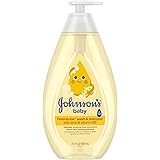
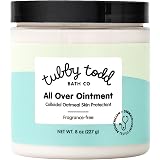
Every parent desires soft, healthy, and radiantly glowing skin for their little ones. However, navigating the world of baby skincare can often feel overwhelming, with countless products and conflicting advice available. If you have been searching for an effective and pediatrician-recommended approach to maintain your baby’s delicate skin, the insights shared in the video above offer an excellent starting point. This guide aims to expand upon those essential principles, providing a more detailed understanding of why baby skin requires special attention and how a consistent, gentle baby skincare routine can lead to optimal skin health.
The journey to healthy baby skin begins with understanding its unique physiology and establishing a nurturing routine. While the basic steps might seem straightforward, the devil is in the details—from choosing the right products to the correct application techniques and frequency. This comprehensive article delves deeper into each aspect, ensuring that your baby’s skin receives the specific care it needs to thrive, remain hydrated, and be protected from environmental aggressors, ultimately fostering that coveted healthy glow.
Understanding the Unique Nature of Baby Skin
Adult and infant skin, though seemingly similar, possess fundamental structural differences that necessitate distinct care approaches. A newborn’s skin is significantly thinner than an adult’s, making it inherently more vulnerable. Specifically, the outermost layer, known as the stratum corneum, is not yet fully developed in babies. This layer acts as a crucial barrier, safeguarding the body from external irritants and preventing excessive moisture loss.
Due to this underdeveloped skin barrier, babies are prone to increased transepidermal water loss (TEWL), meaning moisture can easily escape, leading to dryness and flakiness. Furthermore, the thinner stratum corneum makes baby skin more permeable, allowing environmental pollutants, allergens, and harsh chemicals to penetrate more readily. Such increased permeability often manifests as rashes, irritation, and heightened sensitivity, underscoring why a specialized baby skincare routine is not merely beneficial but essential for their well-being.
Establishing an Effective Baby Skincare Routine
Maintaining a healthy skin barrier for infants is paramount, and a thoughtfully planned baby skincare routine plays a pivotal role in achieving this. The routine focuses on gentle cleansing, optimal hydration, and protection, all while minimizing exposure to potential irritants. Incorporating these steps consistently can significantly enhance the skin’s resilience and overall health.
1. Gentle Cleansing Practices
When it comes to bathing, less is often more for babies. Prolonged exposure to water, especially hot water, can strip the skin of its natural oils, further compromising the delicate skin barrier. Therefore, short baths (typically no longer than 5-10 minutes) with lukewarm water are recommended. The choice of cleanser is also critical; harsh soaps with high pH levels should be avoided.
Instead, mild, pH-balanced cleansers that are specifically formulated for infants are advised. These products are typically soap-free and contain gentle surfactants that cleanse without stripping the skin’s natural moisture. After bathing, gently pat the baby’s skin dry with a soft towel, ensuring that some residual dampness remains, which is crucial for the next step in the baby skincare routine.
2. The Golden Rule of Moisturizing: Apply on Damp Skin
One of the most impactful steps in any baby skincare routine is the application of a moisturizer, particularly when performed immediately after bathing. This technique leverages the residual dampness on the skin to “lock in” moisture. When a baby’s skin is soft and hydrated from the bath, applying a lotion or cream helps create an occlusive barrier, preventing the rapid evaporation of water from the skin’s surface.
This approach ensures prolonged hydration, which is vital for supporting the skin’s barrier function throughout the day. A well-hydrated skin barrier is more effective at protecting against external aggressors and retaining essential moisture within the epidermal layers. This 24-hour protective effect helps maintain skin elasticity, softness, and that characteristic healthy glow seen in infants.
Choosing the Right Baby Skincare Products
The market is flooded with baby products, making informed choices imperative for your baby’s delicate skin. The efficacy of your baby skincare routine heavily relies on the quality and suitability of the products chosen. Certain ingredients can be detrimental, while others offer invaluable support to the skin barrier.
What to Avoid in Baby Skincare Products
Many conventional skincare products, even those marketed for babies, may contain harsh chemicals that can irritate sensitive infant skin and compromise its barrier function. It is important to scrutinize product labels for ingredients such as parabens, sulfates, phthalates, and artificial fragrances. Parabens are preservatives that have been linked to hormonal disruption, while sulfates (like SLS and SLES) are harsh foaming agents that can strip natural oils and cause dryness.
Similarly, synthetic fragrances and dyes are common allergens and irritants, often leading to contact dermatitis or exacerbating existing skin conditions like eczema. Preservatives, while necessary for product stability, should also be selected carefully, with a preference for milder, less irritating options. Choosing products free from these compounds significantly reduces the risk of skin reactions and supports the natural development of a robust skin barrier.
What to Look For: Pediatrician-Recommended Ingredients
When selecting products for your baby skincare routine, prioritize those that are pediatrician-recommended, hypoallergenic, and fragrance-free. Look for formulations designed for sensitive skin, often indicated by dermatologically tested labels. Key beneficial ingredients to seek out include natural emollients and humectants that provide deep hydration and nourishment.
Ingredients like coconut oil, glycerin, shea butter, and ceramides are excellent for infant skin. Coconut oil is known for its moisturizing and antimicrobial properties, while glycerin acts as a humectant, drawing moisture into the skin. Shea butter is a rich emollient that helps to soften and smooth the skin. Ceramides are lipids naturally found in the skin barrier, playing a crucial role in maintaining its integrity and preventing moisture loss. These natural components support the skin’s inherent functions, promoting lasting health and glow.
Tailoring Your Baby Skincare Routine: Frequency and Common Concerns
The frequency of moisturizer application can vary based on several factors, including seasonal changes, individual skin type, and the presence of specific skin conditions. Adapting the baby skincare routine to these variables ensures optimal care and addresses common parental concerns effectively.
Optimal Application Frequency
Generally, a baby’s skin may require more frequent moisturizing during colder, drier winter months to combat environmental dryness. During winter, applying a baby lotion or cream twice daily—once in the morning after bathing and again in the evening—is often recommended. In contrast, during warmer summer months, a single application after the morning bath may suffice for most babies, as humidity levels are typically higher.
However, if a baby exhibits exceptionally dry skin or has a diagnosed condition such as atopic dermatitis (eczema), increased frequency might be necessary. In such cases, a pediatrician might advise applying moisturizer three to four times a day to maintain skin hydration and manage symptoms effectively. Consistency is key, regardless of the frequency, to ensure the skin barrier remains supported.
Addressing Common Newborn Skin Issues
Newborns often present with unique skin phenomena that can cause concern for parents, yet many are entirely normal and self-resolving with appropriate care.
1. Peeling Skin (Desquamation)
It is quite common for a newborn’s skin to appear flaky or peel in the days or first week after birth. This physiological process, known as desquamation, is simply the skin adapting from the aquatic environment of the womb, where it was protected by vernix caseosa, to the drier external world. This peeling is a normal transition and typically resolves on its own. During this phase, maintaining a consistent baby skincare routine with a gentle moisturizing lotion or cream, applied as described, will help the new, healthy skin underneath to develop smoothly and thrive.
2. Winter Rashes (Eczema/Atopic Dermatitis)
Some babies are predisposed to eczema, a chronic inflammatory skin condition characterized by dry, itchy, and red patches. These flare-ups can be particularly common during winter when the air is dry. As discussed in previous content, managing eczema primarily involves intense hydration and using appropriate baby-friendly cleansers. The goal is to repair and protect the compromised skin barrier. Regular application of emollients and avoiding harsh irritants are crucial to controlling eczema and preventing its progression, ensuring the baby’s comfort and skin health.
3. Newborn Red Rashes (Erythema Toxicum Neonatorum)
Many newborns develop transient red blotches or rashes, often with small, yellowish-white bumps, within the first one to two weeks of life. This condition, known as erythema toxicum neonatorum, is a benign and common occurrence that affects a significant number of infants. It typically appears on the face, trunk, and limbs and resolves spontaneously within a few days to weeks without specific treatment. For mild cases, maintaining the regular baby skincare routine with a gentle baby lotion or cream is usually sufficient. However, if the rash is extensive or causes discomfort, consulting a pediatrician may lead to recommendations for mild soothing agents like calamine lotion to alleviate symptoms.
By diligently following a consistent and informed baby skincare routine, involving gentle cleansing and regular application of pediatrician-recommended lotions or creams, your baby’s skin can be maintained in a healthy, soft, and radiantly glowing condition, protecting it from common irritations and ensuring their comfort.
சரும ஆரோக்கியம் மற்றும் பளபளப்பு: கேள்வி-பதில்
Why does baby skin need special care?
Baby skin is much thinner and its protective outer layer isn’t fully developed yet. This makes it more sensitive to irritants and prone to losing moisture easily.
What are the main steps in a baby’s daily skincare routine?
A good baby skincare routine focuses on gentle cleansing, keeping the skin well-hydrated with moisturizer, and protecting it from potential irritants.
When is the best time to moisturize my baby’s skin?
The most effective time to apply moisturizer is immediately after bathing, while the skin is still slightly damp, to help lock in moisture.
What types of ingredients should I avoid in baby skincare products?
It’s important to avoid harsh chemicals like parabens, sulfates, phthalates, and artificial fragrances, as these can irritate a baby’s sensitive skin.