The arrival of a baby often brings a joyful avalanche of tiny clothes, adorable accessories, and countless essential items. Soon, many new parents find themselves swimming in a sea of baby gear. The dream of a calm, organized nursery can feel quite distant. That’s why practical insights into nursery organization are so valuable. In the video above, Jess shares her personal approach to organizing her baby girl’s dresser and closet. Her methods show how simple solutions create functional, beautiful spaces.
While Jess offers a fantastic visual tour, let’s dive deeper into some of the strategies. We can explore the “why” behind her choices and offer additional tips. Creating an efficient system for your baby’s belongings makes daily life smoother. It ensures everything has a home. This saves precious time and reduces stress for busy parents.
Streamlining Your Nursery Storage: A Blueprint for Busy Parents
Effective nursery organization goes beyond just tidiness. It creates a calming environment. A well-organized space also supports safety. It helps you quickly find items in a pinch. Jess’s methods highlight accessibility and thoughtful categorization. These are key principles for any successful baby room setup. She proves that even with a growing collection, order is achievable.
Mastering the Baby Dresser: Practical Organization Zones
The dresser often doubles as a changing station. It becomes a central hub for daily care. Jess’s system demonstrates how to maximize each drawer’s potential. She groups items logically. This ensures frequent access to essential products. Let’s explore her clever dresser organization tactics.
Everyday Essentials: Top Drawer Strategies
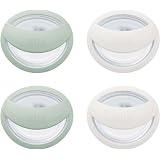
Jess wisely dedicates her top drawer to items used constantly. Pacifiers, teethers, and health necessities are within easy reach. She highlights favorite brands like Itzy Ritzy and Philips Avent pacifiers. These choices often depend on baby’s preference. Many parents explore different shapes and materials. This helps find the perfect fit for their little one.
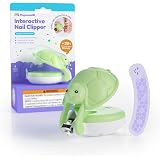
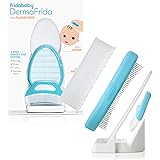
A specific data point Jess shares is notable. Itzy Ritzy pacifiers, priced at $8.99 for a two-pack at Target, offer a budget-friendly option. This contrasts with a single Ryan & Rose Cutie’s Pacifier, which costs $12. For sterilizing these items, she relies on her Dr. Brown’s Bottle Sterilizer. This tool provides peace of mind. Other key items include saline drops and the NoseFrida. These are crucial for managing congestion. An electric nail file is also present. This gentle tool is preferred over clippers for delicate newborn nails. It minimizes the risk of nicks or cuts. Jess mentions it comes with four different file levels. This ensures suitability as your baby grows. Keeping these items here saves countless trips and searches.
Beyond the Burp Cloth: Middle Drawer Storage
The middle drawer is often perfect for items needed frequently but not daily. Jess stores burp cloths here. She specifically praises Gerber cloth diapers. These are lauded for their absorbency and versatility. They serve many purposes, from feeding clean-up to changing pad liners. Drawer dividers from TJ Maxx and Walmart help keep these sections tidy. These interlocking organizers are simple to use. They can be customized to fit any drawer size. This prevents items from mixing. It maximizes every inch of space.
Jess also places bibs in a lower section. Her baby does not use them often yet. However, preparing for future needs is smart. As babies grow, drooling and solid foods increase the demand for bibs. Bandana bibs, often doubling as teethers, offer dual functionality. These clever items are both practical and stylish. They are perfect for catching dribbles and soothing sore gums.
Growing Wardrobe: Bottom Drawer Solutions
The bottom drawers are ideal for clothing not hung in the closet. Jess organizes these by type and size. Nighttime wear, like gowns and sleepers, goes in one section. Gowns, with their elastic bottoms, make diaper changes quicker. Sleep sacks are also kept here. These provide warmth and a snug feel. Jess notes she uses different sleep sacks for varying temperatures. She has a muslin one and a thick fleece option for colder weather. This helps ensure comfort year-round.
Daytime clothes, including onesies, bloomers, socks, mittens, shorts, and pants, fill another drawer. Jess uses interlocking drawer organizers here too. This keeps small items separate. It prevents chaos. As a baby grows, wardrobe needs change. This system can be easily adjusted. Finally, extra-fancy outfits, tutus, and shoes find a home here. These are for special occasions. They may not be worn daily. This method ensures easy access to all wardrobe components.
Optimizing Your Baby’s Closet: Smart Space Utilization
A baby’s closet serves many purposes beyond just hanging clothes. It holds linens, health supplies, and even future toys. Jess demonstrates how to use every nook. She integrates various storage solutions. This creates a highly functional baby closet organization system.
Maximizing Vertical Space: Hooks and Shoe Racks
Jess efficiently uses vertical space. Command Hooks hold bath towels and robes. This keeps them accessible for bath time. A shoe rack from Walmart is repurposed. It stores miscellaneous baby products and bows. This is a brilliant space-saving nursery idea. It transforms unused door space into valuable storage. She stores additional nail files and a forehead thermometer here. Syringes for medicine are also on hand. All medicines, like gripe water, gas relief drops, and Little Remedies Tylenol, are stored on a high shelf. This is crucial for baby safety. Keeping these items out of reach is paramount. It protects curious little hands.
Extra tags, baby powder (used cautiously), and bath products are also on the rack. Hand sanitizers, like Babyganics, are kept in multiple locations. These are essential for hygiene. Extra pant hangers clip onto regular hangers. This helps create full outfits. Sunglasses for future beach trips await their moment. Finally, washcloths are placed for easy access. They are used for sponge baths and quick clean-ups. This entire system highlights thoughtful placement.
Hair bows are meticulously organized by type. Jess sorts them into sections. She has hair clips, elastic bows, and headband styles. Different compartments hold various sizes and designs. For example, she bought beautiful flower bows from Amazon. These were perfect for newborn photos. This detailed approach saves time. It eliminates searching for the perfect accessory. This attention to detail makes her baby closet organization impressive.
Elevated Storage: Bins for Less-Used Items
High shelves are perfect for storing less frequently accessed items. Jess uses pink storage cubes from Amazon. These are labeled with simple gift tags. Diapers, especially larger sizes, are stored up here. Many parents receive a surplus of diapers at baby showers. Storing them high saves precious drawer space. This is a practical approach to managing gifts.
Dedicated bins hold specific categories. One bin holds extra covers and sheets. This includes changing pad covers and crib sheets. Another bin is for milestone pictures. This contains swaddles, letter board letters, and a milestone blanket. Having all these items together simplifies monthly photoshoots. It eliminates frantic searches. This makes cherished memories easier to capture.
A “gear and accessories” bin houses spare parts. Car seat inserts and a newborn bath sling are kept here. This prevents clutter in main living areas. Jess also keeps her Tula baby wrap and Moby Wrap here. These are babywearing essentials. While it might seem like a “hodgepodge,” it’s a strategic hodgepodge. Knowing where general spare parts are located is incredibly helpful. Lastly, an “upper-aged toys” bin holds items for future use. Magnetic letters and knitted toys await their turn. This thoughtful forward-planning manages toy accumulation. It ensures items are introduced at the right developmental stage.
Categorizing the Clothing Chaos: Hanging and Folded Clothes
Jess’s closet clearly separates hanging clothes from folded clothes. Hanging clothes, especially dressier outfits, are organized by size. She uses adorable Etsy tags for this. These custom tags add a charming touch. They also make finding sizes much easier. She hangs newborn, 0-3 months, 3-6 months, and 6-9 months sizes. Keeping extra hangers nearby is always a good idea. Separate hangers with attached pant clips prevent shifting. This maintains order for complete outfits. This clear system makes dressing a breeze.
Below the hanging clothes, a basket holds refillable wipes. This keeps heavy bulk packs in a sturdy container. Clear plastic drawers store folded clothes. These drawers are labeled using a label maker. This provides quick visual cues. These drawers range from newborn to 12-18 months. Having designated drawers for each size helps track growth. It also makes rotating outgrown clothes simpler. This comprehensive approach to organizing baby clothes ensures every item is accounted for.
Beyond Clothes: Books, Toys, and Large Items
The bookshelf is a versatile piece. Jess’s family has owned hers for many years. This sturdy item holds baby books received as gifts. She keeps a larger collection of books in storage. Soft bins on lower shelves hold current baby toys. Placing these at baby’s level encourages independent play later. These soft bins are also safe. They pose no risk if pulled out. Blankets are stored in the bottom row. Most are in use around the house. However, having a central storage spot is key. This strategy ensures comfort items are always available.
Large items like playmats are kept in a laundry basket. This includes a soft nursery playmat. It also holds a Pop-a-Pillar. This versatile item acts as a tummy time mat and Boppy pillow. Storing these larger items neatly prevents tripping hazards. Finally, the left-hand corner holds bulkier gear. An Angelcare bath support hangs on a Command Hook. This saves floor space. The Pack ‘n Play and a Boppy pillow are also stored here. These items are ready for use but not always needed. This strategic placement ensures a clutter-free room. It offers a functional and beautiful space for your little one.
Tiny Clothes, Tidy Spaces: Your Nursery Organization Q&A
Why is it important to organize a baby’s nursery?
Organizing your baby’s nursery helps create a calming environment and makes daily life smoother. It ensures you can quickly find essential items, saving time and reducing stress for busy parents.
What kinds of things should I keep in the top drawer of my baby’s dresser?
The top drawer is best for everyday essentials you use constantly, such as pacifiers, teethers, saline drops, and an electric nail file. Keeping these items within easy reach saves you from searching during busy moments.
How can I safely store baby medicines in the nursery?
All medicines, like gripe water or Tylenol, should be stored on a high shelf in the closet, out of reach of curious little hands. This is crucial for ensuring your baby’s safety.
What’s a good way to organize baby clothes in the closet?
You can organize hanging clothes by size using dividers, and use clear plastic drawers or bins for folded clothes. This makes it easy to find specific outfits and helps track your baby’s growth.