Understanding Baby Skin: Delicate and Deserving of Care
Baby skin is remarkably different from adult skin. It’s much thinner, more sensitive, and has a less developed barrier function, making it more susceptible to environmental factors and product sensitivities. This delicate nature means it requires specialized care and products designed specifically for its unique needs. The concept of a “fair” complexion often carries cultural significance, but at its core, it speaks to healthy, even-toned, and well-nourished skin. Factors like sun exposure, harsh products, and even diet can significantly impact a baby’s skin tone and overall health. Understanding these influences is the first step towards building an effective skincare strategy.Why Baby Skin Can Darken: Beyond Genetics
While genetics primarily determine a baby’s inherent skin tone, external factors can certainly influence its appearance. As mentioned in the video, initial practices like frequent mustard oil massages combined with direct sun exposure can lead to darkening. Mustard oil, while traditional, can sometimes be too strong or irritating for a baby’s sensitive skin, potentially causing inflammation or hyperpigmentation in some cases. Direct exposure to sunlight, especially without protection, stimulates melanin production, leading to tanning and a darker complexion. Protecting a baby’s skin from harsh elements, understanding traditional remedies, and using appropriate products are crucial. The goal isn’t to change a baby’s natural skin tone but to ensure it remains healthy, bright, and free from external factors that might cause darkening or damage.The Power of Consistency: Why Patience is Key
One of the most vital takeaways from any successful baby skincare journey is the absolute necessity of patience and consistency. The video’s creator emphasizes that their routine for Kanha spanned 2.5 years, yielding “100% effective” results over time, not in days or weeks. This long-term commitment is paramount. Baby skin, like all skin, undergoes a natural regeneration cycle. Changes in complexion, texture, or health don’t happen overnight. It takes continuous care, protection, and nourishment for new, healthy skin cells to emerge and reflect the benefits of your routine. Expecting drastic results in just a few days or weeks is unrealistic for anyone, especially for developing baby skin. A sustained routine allows the skin to gradually respond, adapt, and improve its overall health and appearance.Building Your Baby Skincare Routine: A Step-by-Step Guide
A comprehensive baby skincare routine involves several key steps, focusing on cleansing, moisturizing, massaging, and internal nourishment. Each step plays a crucial role in maintaining skin health and promoting an even, glowing complexion.Daily Cleansing with Gentle Body Washes and Soaps
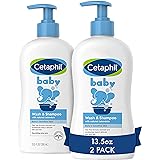
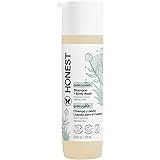
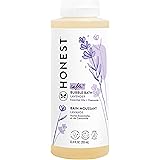
Bathing is an essential part of a baby’s routine, but selecting the right cleansing products is vital. Harsh soaps can strip the skin of its natural oils, leading to dryness and irritation. The video highlights using gentle options like Sebamed Baby Wash or Aveeno Baby Wash. These are often pH-balanced and formulated to be mild on a baby’s delicate skin, cleaning effectively without causing dryness. Once a baby starts becoming more active and exposed to outdoor elements, around 18 months, introducing a gentle soap like Sebamed Baby Soap can be beneficial. Soaps designed for babies are typically milder than adult soaps, offering a more thorough cleanse for active toddlers without being overly drying.The Golden Rule of Moisturizing: On Damp Skin
A critical step, often overlooked, is applying moisturizer immediately after a bath while the baby’s skin is still damp. As explicitly mentioned in the transcript, applying lotion or cream at this time helps to “lock in” moisture. This practice is scientifically proven to enhance hydration, as the dampness acts as a carrier, allowing the moisturizer to penetrate more effectively and form a protective barrier. For facial skin, a dedicated baby facial cream like Sebamed Protective Facial Cream can provide targeted nourishment. For the body, a good quality baby lotion, such as Sebamed Baby Lotion, ensures all-over hydration. This two-pronged approach ensures both delicate areas and the larger body surface receive adequate moisture, contributing to soft, supple, and brighter skin.The Art of Baby Massage: Oils for Every Season
Baby massage is not just a bonding ritual; it’s a powerful tool for skin health, circulation, and relaxation. The video recommends massaging “four to five times daily,” emphasizing its profound impact on complexion. Choosing the right oil based on the season is also a practical tip. * **Winter Months:** Roghan Badam (Almond Oil) is an excellent choice. Rich in Vitamin E, it’s deeply moisturizing and helps protect against dryness and chapping often associated with colder weather. Its nourishing properties can also contribute to improving skin tone over time. * **Summer Months:** Coconut oil, specifically Parachute Coconut Oil as mentioned, is lighter and highly absorbent. Despite initial confusion about its primary use, the speaker found it “100% effective” for Kanha’s body. Coconut oil is known for its moisturizing, antibacterial, and anti-inflammatory properties, making it suitable for warmer climates where heavier oils might feel uncomfortable. * **Other Options:** Johnson’s Baby Oil and Sebamed Baby Oil are also popular choices. The key is to select an oil that suits your baby’s skin and causes no irritation. Regular massage improves blood circulation, which in turn brings a healthy glow to the skin.The Traditional Touch: Baby Fairness Ubtan
Integrating traditional remedies can be a powerful complement to modern skincare. The Baby Fairness Ubtan, highlighted in the video, is described as having significantly helped change Kanha’s skin color. Ubtans are traditional herbal pastes used for skin care, often made from natural ingredients like gram flour, turmeric, sandalwood, milk, or rosewater. These natural mixtures typically offer gentle exfoliation, help remove dead skin cells, and can have brightening properties due to ingredients like turmeric. While specific ingredients aren’t detailed in the transcript, such ubtans traditionally aid in improving skin texture and promoting an even tone. When exploring such traditional remedies, ensure the ingredients are mild and patch-test on a small area of your baby’s skin first to check for any sensitivities.Beyond Topicals: Nurturing Skin from Within
True skin health, especially for a baby, isn’t solely about what’s applied externally; internal nourishment plays an equally crucial role. The video emphasizes that for a “permanent fair complexion,” both external and internal care are necessary.The Power of a Nutritious Diet
Around 8 months, when babies start solid foods, incorporating a varied and nutritious diet can significantly impact their skin. The speaker began including fruit juices, vegetables, and dry fruits in Kanha’s diet, noting it brought out an “inner glow.” * **Fruit Juices:** Orange juice, rich in Vitamin C, is a powerful antioxidant that protects skin cells and aids in collagen production, contributing to healthy, bright skin. Banana shakes offer vitamins and minerals essential for overall growth and skin vitality. Always offer fresh, diluted, and unsweetened fruit juices. * **Vegetables:** Mixed vegetable khichdi is an excellent way to introduce a range of nutrients. Leafy greens, carrots, and other colorful vegetables provide essential vitamins (like Vitamin A for skin repair and Vitamin K for circulation) and antioxidants that contribute to vibrant skin. * **Dry Fruits:** Introducing dry fruits, perhaps in a cereal form, provides healthy fats, vitamins, and minerals that support healthy skin development.The Importance of Hydration
Keeping a baby well-hydrated is fundamental for healthy skin. The speaker ensured Kanha drank water “many times a day.” Water helps maintain skin plumpness, elasticity, and aids in flushing out toxins, all of which contribute to a clear and healthy complexion. As babies grow, making water accessible and encouraging regular sips is a simple yet effective practice for skin health.Addressing Common Concerns and Misconceptions
Many parents seek rapid changes in their baby’s complexion, often falling prey to products or routines promising instant results. The reality, as emphasized by the video, is that a baby’s skin, like any other aspect of their development, requires time, consistency, and a gentle hand.Avoiding the “Quick Fix” Trap
The video directly addresses the frustration of parents who report no effect after using products for “one week,” “four days,” or “one month.” It’s critical to understand that true, lasting skin health and complexion improvement are gradual processes. The commitment made to Kanha’s routine for 2.5 years illustrates the dedication required. Rushing the process with harsh products or over-exfoliation can do more harm than good to a baby’s delicate skin.The Role of Genetics vs. Care
While it’s natural for parents to desire the best for their child’s appearance, it’s important to differentiate between enhancing a baby’s natural complexion and attempting to drastically alter it. A baby’s inherent skin tone is primarily genetic. The skincare routine outlined is aimed at nurturing the skin, protecting it from external darkening factors, and bringing out its healthiest, brightest potential, rather than fundamentally changing its genetic predisposition. Embracing patience, consistency, and a holistic approach ensures that your baby’s skin is not only “fairer” in appearance but genuinely healthy, robust, and well-cared for. This journey is a testament to the love and dedication parents invest in their little ones, ensuring their comfort and confidence as they grow.Skylight Skincare for Babies: Your Questions Answered
Why is baby skin different from adult skin?
Baby skin is much thinner, more sensitive, and has a less developed protective barrier compared to adult skin. This makes it more susceptible to environmental factors and product sensitivities.
How long does it take to see results from a baby skincare routine?
Achieving lasting results for a baby’s skin health and complexion requires patience and consistency over a long period, often months or even years, rather than just days or weeks.
What are the essential steps in a basic baby skincare routine?
A basic routine includes daily cleansing with gentle products, moisturizing immediately after a bath on damp skin, regular baby massages, and nurturing them internally with a nutritious diet and hydration.
What kind of products should I use for my baby’s delicate skin?
You should use gentle, pH-balanced products specifically designed for babies, such as mild body washes, lotions, and massage oils, to avoid stripping their natural oils or causing irritation.
Can a baby’s diet affect their skin’s appearance?
Yes, incorporating a nutritious diet with fruit juices, vegetables, and dry fruits, along with ensuring proper hydration, can significantly impact a baby’s skin by promoting an inner glow and overall health.