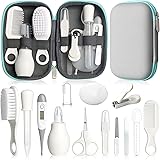
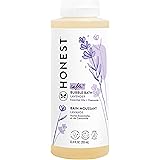
As the accompanying video highlights, navigating the myriad choices for baby care can be daunting for any parent, especially for busy moms juggling multiple responsibilities. The quest for products that are not only effective but also unequivocally safe for delicate infant skin is paramount. Many parents find themselves without the luxury of time for extensive research, making trusted recommendations invaluable. This underscores the critical need for a reliable, expert-backed baby skin care routine that ensures skin health from day one.
Understanding the Unique Physiology of Infant Skin
Infant skin, particularly in newborns and young babies, exhibits distinct physiological characteristics compared to adult skin, rendering it exceptionally sensitive and vulnerable. The stratum corneum, the outermost layer of the epidermis responsible for the skin barrier function, is significantly thinner and less developed in infants. This structural immaturity translates to increased transepidermal water loss (TEWL), making infant skin more prone to dryness and dehydration. Studies indicate that a newborn’s skin barrier can take several weeks to mature fully, highlighting the necessity for exceptionally gentle care.
Furthermore, the intercellular lipid lamellae, crucial for maintaining skin integrity, are also less organized in infants. This reduced barrier efficacy means infant skin is more permeable to external irritants, allergens, and microorganisms, increasing the risk of inflammation, rashes, and infections. For instance, common contact allergens that might barely affect adult skin can trigger significant reactions in a baby. Therefore, selecting hypoallergenic and mild formulations is not merely a preference but a dermatological imperative for maintaining cutaneous health.
The Science Behind Natural Oat Extract in Baby Skincare
The efficacy of natural oat extract, often found as colloidal oatmeal, in sensitive skin formulations is well-documented in dermatological science. Oat extract contains a rich profile of beneficial compounds, including avenanthramides, which are potent anti-inflammatory and antioxidant agents. These compounds work by reducing the activity of pro-inflammatory cytokines, thereby soothing irritated skin and alleviating redness and itching, common symptoms associated with conditions like eczema (atopic dermatitis) in infants.
Beyond its anti-inflammatory properties, oat extract is also rich in beta-glucans. These polysaccharides possess significant moisturizing capabilities, forming a protective, occlusive layer on the skin’s surface that helps to reduce TEWL and enhance the skin’s natural barrier. Lipids present in oat extract further contribute to barrier repair and maintenance, replenishing essential fatty acids. This multi-faceted action makes oat extract an ideal ingredient for nourishing sensitive baby skin, minimizing dryness, and promoting overall epidermal health, ultimately leading to comfortable, rash-free babies.
Selecting Products for a Safe Baby Skin Care Routine
When curating a baby skin care routine, discerning parents prioritize products that are not only effective but also rigorously tested for safety. The “tried, tested, and absolutely safe” standard should guide every selection. Opt for products explicitly labeled as hypoallergenic, fragrance-free, and pediatrician-recommended. Synthetic fragrances, even those marketed as “baby-friendly,” can be significant irritants for developing skin and should be avoided to minimize the risk of contact dermatitis.
Additionally, scrutinize ingredient lists for common allergens and harsh chemicals. Parabens, phthalates, sulfates, and dyes are often unnecessary additives that can disrupt the delicate balance of infant skin. Look for formulations that are pH-balanced, ideally matching the slightly acidic pH of healthy skin (around 5.5). This helps to maintain the skin’s natural protective mantle. Products specifically designed for sensitive skin, such as those incorporating natural oat extract, exemplify a commitment to both efficacy and safety, providing peace of mind for parents.
Building an Effective Daily Baby Skin Care Routine
Establishing a consistent and gentle daily baby skin care routine is crucial for protecting and nurturing infant skin. The routine typically involves three core components: cleansing, moisturizing, and targeted care for areas like the diaper region. For bathing, short baths (5-10 minutes) in lukewarm water are recommended, using a mild, soap-free cleanser. Excessive bathing or hot water can strip the skin of its natural oils, exacerbating dryness. Patting the baby’s skin dry gently, rather than rubbing, prevents irritation and leaves some moisture on the skin surface.
Immediate post-bath moisturizing is key to locking in hydration. Within three minutes of bathing, apply a rich, emollient moisturizer formulated for sensitive baby skin. This helps to reinforce the skin barrier and prevent moisture loss. For the diaper area, frequent diaper changes are paramount to prevent prolonged exposure to wetness and irritants. A protective barrier cream or ointment, applied at each change, forms a shield against moisture and helps to prevent painful diaper rash. Consistency in this daily regimen is a cornerstone of proactive skin health management for infants.
Addressing Common Baby Skin Concerns
Despite best efforts, infants are susceptible to several common skin concerns, which a well-chosen baby skin care routine can significantly help manage. Atopic dermatitis, commonly known as infant eczema, manifests as dry, red, itchy patches and affects a notable percentage of babies. A consistent regimen featuring gentle cleansers and emollients containing ingredients like colloidal oatmeal can soothe flare-ups and maintain skin hydration, reducing the frequency and severity of episodes. Regular moisturizing is a primary strategy in eczema management.
Diaper rash, another prevalent issue, is often caused by prolonged wetness, friction, and exposure to enzymes in urine and stool. While frequent changes are essential, using a zinc oxide-based barrier cream can protect the skin and promote healing. Cradle cap, characterized by greasy, scaly patches on the scalp, typically resolves on its own but can be gently managed with mild baby shampoos and soft brushing. For all these concerns, maintaining a gentle, consistent baby skin care routine centered around proven, safe products is vital for prevention and ongoing management.
Ultimately, a streamlined and safe baby skin care routine provides immense reassurance for parents. Knowing that the products applied to a baby’s delicate skin are tried, tested, and crafted with natural, beneficial ingredients brings peace of mind, allowing busy parents to focus on the myriad other joys and challenges of raising their little ones. Prioritizing skin health with a thoughtful baby skin care routine contributes significantly to a child’s overall comfort and well-being.
Avruti’s Aveeno Baby Skin Care: Your Questions Answered
Why is baby skin so sensitive compared to adult skin?
Infant skin has a thinner, less developed outer layer and a weaker skin barrier, making it more prone to dryness, irritation, and absorption of external irritants.
What is natural oat extract and why is it good for baby skin?
Natural oat extract, often found as colloidal oatmeal, contains compounds that reduce inflammation, soothe irritation, and moisturize the skin. It helps strengthen the skin’s protective barrier and reduce dryness.
What should I look for when choosing baby skin care products?
Opt for products labeled as hypoallergenic, fragrance-free, and pediatrician-recommended. Also, check for pH-balanced formulas and avoid harsh chemicals like parabens, phthalates, sulfates, and dyes.
What are the basic steps for a daily baby skin care routine?
A daily routine involves gentle cleansing with short baths, immediate moisturizing within minutes after bathing, and consistent protective care for the diaper area using a barrier cream.