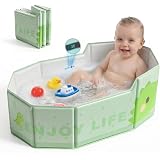
The rhythmic melody and playful imagery presented in the accompanying video vividly capture the joyous potential of baby bath time. For many parents and caregivers, however, the daily ritual of cleansing an infant or toddler can often present a complex array of challenges, ranging from ensuring safety to transforming potential apprehension into an experience of delight and developmental growth. It is frequently observed that establishing a serene and effective bath routine requires a nuanced understanding of infant care, child psychology, and practical safety measures. This comprehensive guide is specifically designed to demystify these considerations, offering expert insights and evidence-based strategies to optimize the baby bath time experience for both the child and the caregiver.
The journey through early childhood is replete with opportunities for learning and connection, with routine activities such as bathing serving as significant touchstones. While the simple act of “getting clean” is paramount, the broader implications of toddler bath time extend deeply into sensory development, cognitive stimulation, and the fortification of the parent-child bond. Therefore, it is essential that these moments are not merely transactional but are approached with intentionality and a commitment to nurturing a child’s holistic development. Expert guidance in this domain is invaluable, as informed practices can dramatically enhance the quality and impact of these daily interactions.
The Multi-Sensory Symphony of Infant Bath Time
The act of splashing and laughing, as cheerfully depicted in the video, is far more than simple amusement; it represents a profound multi-sensory experience critical for early childhood development. Water offers a unique tactile sensation, encompassing fluidity, warmth, and resistance, which are instrumental in sensory integration. Furthermore, the auditory elements—the gentle lapping, gurgling, and rhythmic splashes—contribute to a rich soundscape that can be both calming and stimulating. Visually, the movement of water and toys provides focused engagement, aiding in the development of visual tracking and depth perception. Consequently, bath time is not merely a hygienic necessity but a meticulously crafted environment for sensory exploration.
From a developmental perspective, these sensory inputs contribute significantly to the formation of neurological pathways. The tactile experiences against the skin help infants build a map of their own bodies, fostering proprioception and body awareness. Moreover, the freedom of movement within the water, albeit supervised, encourages gross motor skill development as limbs are extended and kicked with reduced gravitational resistance. Cognitive faculties are also stimulated through simple play, such as observing objects float or sink, which introduces rudimentary physics concepts. Thus, the interactive elements of bath time are observed to underpin foundational learning processes.
Mastering Safety Protocols for Baby Bathing
Undoubtedly, the paramount concern during baby bath time is the child’s safety, necessitating stringent adherence to established protocols. A fundamental prerequisite involves maintaining constant, uninterrupted supervision; an infant or toddler should never be left unattended, even for the briefest moment, as drowning can occur in minimal water depth. Water temperature control is also critical, typically recommended to be between 90-100 degrees Fahrenheit (32-38 degrees Celsius), which is optimally checked with a bath thermometer rather than by hand. The water level should be appropriately shallow, generally not exceeding 2-4 inches for infants, to mitigate risks.
Equipment selection also plays a pivotal role in ensuring a secure environment. The use of non-slip bath mats, infant bath seats, or specialized tubs is highly advised to prevent accidents. These accessories are designed to provide stability and support, thereby reducing the likelihood of slips or falls. Furthermore, all necessary bath items, including cleansers, towels, and fresh clothing, should be prepared and within arm’s reach before the child enters the water. This meticulous preparation minimizes the need to divert attention, thereby upholding the continuous supervision standard. Proactive measures are indispensable for safeguarding the child throughout the entire bath process.
Establishing a Predictable and Positive Bath Routine
Consistency in routines is an established cornerstone of infant and toddler development, providing a sense of predictability and security that fosters emotional regulation. A well-structured bath routine can significantly contribute to a child’s overall daily rhythm, signaling a transition from active play to a calming pre-sleep phase. It is often recommended that bath time occurs at roughly the same time each day, or on scheduled bath days, to reinforce this pattern. The ritualistic nature of bathing, from preparation to post-bath care, becomes a comforting sequence for the child.
Incorporating elements that promote relaxation and engagement is crucial for cultivating a positive association with bathing. Gentle singing, akin to the video’s cheerful tune, or soft conversation can soothe the child and enhance language acquisition. The use of specific bath toys, introduced consistently, can also serve as positive triggers, signaling fun and playfulness. Furthermore, a gentle post-bath massage with a mild moisturizer not only benefits the child’s skin but also extends the period of physical closeness and comfort. Addressing any initial resistance or anxiety with patience and gentle reassurance is paramount, as negative early experiences can lead to prolonged aversion. Ultimately, the routine’s primary objective is to create a nurturing and enjoyable transition.
Developmental Milestones and Engaging Activities During Bath Time
Bath time presents a fertile ground for facilitating various developmental milestones, transforming a simple hygiene task into an enriching educational experience. For instance, fine motor skills are naturally honed through interactions with bath toys, where children practice grasping, squeezing, and pouring. These actions refine hand-eye coordination and dexterity, which are foundational for later writing and self-care skills. Gross motor development is also encouraged as infants kick their legs and splash their arms, utilizing water resistance to strengthen muscles and improve coordination. These movements are essential for crawling, walking, and other physical activities.
Moreover, language acquisition can be significantly advanced during toddler bath time. Caregivers can narrate actions, name body parts, describe the properties of water (“wet,” “bubbly,” “warm”), and identify bath toys, thereby enriching the child’s vocabulary and comprehension. Social-emotional learning also unfolds as children learn to take turns with toys, express preferences, and receive comforting touch from their caregivers. The shared laughter and focused interaction strengthen attachment bonds, fostering a sense of security and trust. Consequently, the strategic integration of play and interaction during baths offers substantial developmental dividends, extending far beyond superficial cleansing.
Dermatological Considerations for Delicate Skin
The delicate integumentary system of infants and toddlers necessitates specific dermatological considerations during baby bath time to maintain skin integrity and prevent irritation. Young children’s skin barriers are not yet fully developed, rendering them more susceptible to dryness, chemical sensitivities, and conditions such as eczema. Therefore, the selection of bath products is critically important. It is universally recommended that mild, pH-neutral, fragrance-free, and hypoallergenic cleansers are utilized, as harsh soaps can strip natural oils, leading to dryness and irritation. Products specifically formulated for infant skin are generally preferred.
The frequency of bathing should also be adjusted based on the child’s age, activity level, and dermatological needs. For newborns, a sponge bath might be more appropriate until the umbilical cord stump has healed, and full baths are generally limited to two or three times a week to prevent excessive drying of the skin. As children grow and become more active, daily bathing might be considered, though a daily full-body wash is not always necessary, with spot cleaning often sufficing. Post-bath moisturization with a gentle cream or lotion is highly advised to lock in hydration and support the skin barrier function. Consequently, an informed approach to skin care during bath time is pivotal for a child’s dermatological health and comfort.
In essence, the moments dedicated to baby bath time are invaluable, representing far more than a simple cleansing ritual. They are pivotal opportunities for sensory integration, cognitive stimulation, emotional bonding, and the reinforcement of essential developmental milestones. By adhering to rigorous safety protocols, establishing predictable routines, and selecting appropriate products, caregivers can transform a potentially stressful task into an enriching and joyful experience. This holistic approach ensures that each splash and laugh contributes meaningfully to a child’s healthy growth and overall well-being.
Bubble Up Your Questions: A Happy Tots Q&A on Baby Bath Songs
Why is bath time important for my baby’s development?
Bath time is more than just getting clean; it’s an opportunity for sensory development, stimulating cognitive skills, and strengthening the bond between you and your baby.
What are the most important safety rules for bathing my baby?
Always ensure constant supervision, check the water temperature with a thermometer (ideally 90-100°F), and keep the water level shallow, generally 2-4 inches for infants.
What kind of bath products should I use for my baby’s delicate skin?
It’s best to use mild, pH-neutral, fragrance-free, and hypoallergenic cleansers specifically formulated for infant skin to prevent dryness and irritation.
How often should I bathe my baby?
For newborns, two to three full baths a week are often sufficient. As your baby grows and becomes more active, you can adjust the frequency, but a daily full-body wash isn’t always necessary.