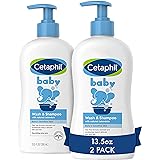
Are you concerned about finding the perfect baby wash that is truly gentle for your little one’s delicate skin? The journey to choosing safe and effective baby products can often feel overwhelming for new parents. While many brands promise softness and purity, understanding key scientific aspects, like pH balance, truly empowers your decisions for baby skin care. The video above provides a quick glimpse into a baby wash pH test, prompting us to explore why this factor is so crucial.
Every parent wants to protect their baby’s skin, which is naturally more sensitive and prone to irritation than adult skin. Fortunately, the natural pH level of baby skin plays a significant role in maintaining its health and resilience. Delving into the science behind pH helps parents make informed choices, ensuring they select products that support, rather than disrupt, their baby’s natural skin barrier. This discussion will clarify the importance of pH and guide you toward selecting the best gentle baby wash for your precious little one.
Understanding pH Balance and Your Baby’s Skin Barrier
What exactly is pH, and why should it matter to you when choosing a baby wash? The term “pH” stands for “potential of hydrogen,” and it is a scale used to measure how acidic or alkaline a substance is. This scale ranges from 0 to 14; a pH of 7 is considered neutral, values below 7 are acidic, and values above 7 are alkaline or basic. Interestingly, your baby’s skin isn’t perfectly neutral; it naturally maintains a slightly acidic pH, typically ranging from 4.7 to 5.7, often referred to as the “acid mantle.”
This acid mantle is not just a fancy term; it’s a vital protective barrier for your baby’s skin. It acts as the first line of defense against harmful bacteria, environmental pollutants, and excessive moisture loss. When this delicate acid mantle is compromised, perhaps by harsh soaps or washes with an unsuitable pH, the skin becomes vulnerable. This can lead to common issues such as dryness, redness, eczema, and various other forms of irritation, causing discomfort for your baby.
The Ideal pH for Baby Wash Products
Given the delicate nature of a baby’s acid mantle, it becomes clear that the pH of baby skin care products is immensely important. Ideally, a baby wash should closely match the natural pH of a baby’s skin to avoid disrupting its protective barrier. Products with a pH too high (alkaline) can strip away natural oils and moisture, leaving the skin dry and susceptible to irritants. Conversely, extremely acidic products, although less common in baby care, could also cause irritation.
Therefore, dermatologists and pediatricians generally recommend using baby washes and lotions with a pH between 4.5 and 6.0, with a target of around 5.5 being optimal. Selecting products within this narrow range helps to support and strengthen the baby’s skin barrier, promoting healthy and hydrated skin. Always check product labels for pH information or look for terms like “pH-balanced” or “dermatologist-tested,” which often indicate adherence to these guidelines. Prioritizing products designed to respect your baby’s natural skin environment is a wise choice for long-term skin health.
Why a Baby Wash pH Test Matters for Informed Choices
Many parents assume that products labeled “natural” or “hypoallergenic” are automatically pH-balanced and safe for their infants. However, the truth is that such labels don’t always guarantee an appropriate pH level for your baby’s delicate skin. This is precisely why performing a baby wash pH test, as demonstrated in the video above, can be an incredibly insightful step for conscientious parents. It allows you to move beyond marketing claims and verify a product’s suitability with tangible evidence, empowering you to make genuinely informed decisions.
Using pH test strips or a digital pH meter is a straightforward process that offers peace of mind. Simply apply a small amount of the baby wash to the strip or sensor, and within seconds, you can observe the color change or reading, which corresponds to the product’s pH level. Comparing this result to the recommended pH range for baby skin provides a clear indication of whether the product aligns with best practices for baby care. This simple test is a powerful tool in your arsenal for ensuring product safety and efficacy.
Factors Beyond pH: What to Look for in a Gentle Baby Wash
While an appropriate pH balance is undeniably crucial, it’s just one piece of the puzzle when selecting the ideal gentle baby wash. Several other factors contribute to a product’s overall suitability for sensitive infant skin, creating a comprehensive checklist for discerning parents. Examining the ingredient list for potential irritants is paramount, as certain chemicals can trigger adverse reactions even in pH-balanced formulas.
Look for baby washes that are free from harsh sulfates (like SLS/SLES), parabens, phthalates, synthetic dyes, and strong artificial fragrances. Instead, opt for products enriched with natural, moisturizing ingredients such as oat extract, shea butter, or chamomile, which can soothe and hydrate the skin. Additionally, consider whether the product is tear-free, as accidental splashes can cause discomfort during bath time. Products labeled “hypoallergenic” and “dermatologist-tested” can offer an extra layer of assurance, indicating they have undergone rigorous testing for potential allergens and skin sensitivities, complementing the insights from a baby wash pH test.
Making the Best Choice for Your Baby’s Skin
Navigating the vast market of baby care products can feel overwhelming, but focusing on key criteria simplifies the process significantly. Remembering the importance of pH balance, ideally between 4.5 and 6.0, is your first step towards selecting a truly gentle cleanser. Supporting the baby’s natural acid mantle protects their skin from dryness and irritation, fostering a healthy skin environment from day one.
Beyond pH, prioritizing formulas that are free from common irritants such as sulfates, parabens, and synthetic fragrances ensures a safer bathing experience. Consider brands that are transparent about their ingredients and possibly offer additional certifications for sensitive skin. Ultimately, the best baby wash for your child will be one that keeps their skin soft, healthy, and happy, making bath time a joyful and worry-free routine.
From Viral Test to Informed Choice: Your Baby Wash pH Q&A
What is pH and why is it important for my baby’s skin?
pH is a scale that measures how acidic or alkaline a substance is. Your baby’s skin has a natural slightly acidic layer called the ‘acid mantle’ (pH 4.7-5.7) which protects it from harmful bacteria and irritation.
What is the ideal pH range for a baby wash?
Dermatologists and pediatricians generally recommend using baby washes with a pH between 4.5 and 6.0, with around 5.5 being optimal. This range helps support your baby’s natural skin barrier.
Why should I care about the pH of baby products?
Using baby products with an unsuitable pH can disrupt your baby’s delicate acid mantle, potentially leading to issues like dryness, redness, eczema, and other forms of skin irritation.
How can I check the pH of a baby wash at home?
You can easily check a baby wash’s pH using pH test strips or a digital pH meter. Simply apply a small amount of the wash to the strip or sensor to get a reading.
Besides pH, what else should I look for in a gentle baby wash?
Look for washes free from harsh sulfates, parabens, phthalates, synthetic dyes, and strong artificial fragrances. Opt for products with natural, moisturizing ingredients like oat extract or shea butter, and labels like ‘hypoallergenic’ or ‘dermatologist-tested’.