Are you a new parent feeling overwhelmed by the sheer volume of baby products available? Preparing for a newborn can be confusing. It is hard to know what is truly essential. Our video above shares personal insights. This guide provides an expanded look at newborn essentials. Focus is given to the first 28 days of your baby’s life. This helps new moms make informed choices. The goal is to avoid unnecessary purchases. We aim to ease your journey into parenthood.
Navigating Newborn Essentials: What Babies Really Need
The first month with a newborn is a special time. It is also a period of rapid growth. Your baby will change quickly. Buying too many items can be wasteful. Many items are only needed for a short time. Focus on core newborn essentials. These items will truly support your baby. They help with comfort and basic care. Thoughtful planning reduces stress. It also saves money in the long run.
Essential Baby Clothing for the First Month
Choosing baby clothes requires thought. Comfort is a top priority. Ease of changing is also key. Babies grow fast. Do not overstock on one size. Consider the climate. Dress your baby appropriately. Overdressing can make them uncomfortable. Underdressing can lead to chills.
Types of Newborn Clothing
- Jhablas or Tie-Up Tops: These are simple. They often tie at the side or front. They are made from soft cotton. They allow for easy diaper changes. They also avoid pulling clothes over the baby’s head.
- Bodysuits or Sleepsuits: These garments cover the full body. They often have snaps at the crotch. This makes diaper changes easier. Look for options that cover both hands and feet. This keeps the baby warm. It also prevents accidental scratches.
- One-Piece Rompers: Similar to bodysuits, these are easy. They are great for home wear. They offer full coverage.
Material and Quantity Advice
Soft, breathable fabrics are best. Muslin cotton is a good choice. It is gentle on sensitive skin. It also helps regulate temperature. For the hospital bag, pack a few items. Two to three jhablas are often enough. Also, include three to four full-body suits. This covers the first few days. Post-hospital, a few more pieces are helpful. Babies often receive clothes as gifts. Wait to buy more until later. This lets you see what your baby finds comfortable. It also ensures proper sizing.
Swaddling and Blankets for Comfort
Newborns love to feel secure. Swaddling provides this feeling. It mimics the womb environment. It helps prevent the startle reflex. This allows for better sleep. Blankets add warmth and comfort.
Swaddle Cloths
Swaddle cloths are very useful. They help wrap your baby snugly. Muslin cotton swaddles are recommended. They are soft and breathable. A pack of three is a good start. This allows for washing. Babies are often swaddled most in their first month. This practice gradually stops as they grow. They begin to move their limbs more freely.
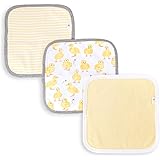
Washcloths
Washcloths are also essential. Before the umbilical cord falls off, baths are avoided. Warm water sponge baths are given instead. Soft muslin washcloths are ideal for this. They absorb water well. They are gentle on delicate skin. Three washcloths should be enough initially. They are useful for daily clean-ups.
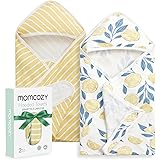
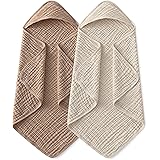
Hooded Blankets
Hooded blankets offer extra warmth. They protect the baby’s head. This is important in cooler environments. They are great for hospital stays. They are also useful for trips outside. A pack of three is typically sufficient. They provide an extra layer of comfort. They help keep the baby cozy.
Face Towels, Burp Cloths, and Wipes
Cleanliness is very important. Babies often spit up. They also make messes. Multi-purpose cloths are invaluable. Wipes offer convenient cleaning solutions.
Multi-Use Face Towels and Burp Cloths
These items serve many purposes. They act as face towels. They also function as burp cloths. They are used for wiping the baby’s body. These are needed from day one. Keep them handy for feeding times. They catch spit-up. They help keep your baby clean. A pack of five is usually enough. They are useful for many months.
Water Wipes for Gentle Cleaning
Water wipes are highly recommended. They are gentle on baby’s skin. They contain mostly water. They are free from harsh chemicals. These wipes are convenient. They are great for quick diaper changes. They are especially useful during the night. Have three to four packs ready. They make clean-ups much easier.
Diapering Essentials: Diapers, Dry Sheets, and Creams
Diapering is a constant task. Proper supplies ensure hygiene. They also keep your baby comfortable. Choosing the right items is important.
Choosing Diapers: Tape vs. Pant Style
Disposable diapers come in two main types. Tape diapers have tabs. They fasten around the waist. They are generally preferred for newborns. They are easier to put on and adjust. Pant-style diapers pull up. They are better for older, more mobile babies. Keep one to two packs of newborn tape diapers. This ensures you have enough. Some doctors recommend only disposable diapers.
Cloth Diapers and Langots
Cloth options are also available. Cotton langots are traditional. They are made from soft fabric. They need frequent changes. Some babies may develop rashes with cloth. This happens if not changed often. Cloth diapers offer a waterproof layer. They also use absorbent inserts. They are another option for eco-conscious parents. Have some cotton cloths cut and prepped. These can be used as langots. They are also good for general clean-up. Be ready to switch to disposables if rashes appear.
Dry Sheets and Changing Mats
Dry sheets protect surfaces. They are placed under the baby. They absorb any leaks. This keeps beds and changing tables dry. Medium-sized sheets are versatile. Two medium and one large dry sheet are useful. They can be rotated for washing. Small sheets may not offer enough coverage. Diaper changing mats are also beneficial. They are portable and washable. They provide a clean surface anywhere. These are perfect for outings.
Diaper Rash or Barrier Cream
Diaper rash cream is very important. It creates a protective layer. This barrier prevents moisture from irritating skin. Apply it at every diaper change. It helps prevent rashes. It is different from a rash treatment cream. It is a preventative measure. This cream is needed beyond the first month. Keep it stocked and accessible.
Mittens, Booties, and Umbilical Cord Care
Small details often make a big difference. Protecting tiny hands and feet is vital. Special care is needed for the umbilical cord.
Mittens, Booties, and Caps
Mittens protect newborns. They prevent scratching themselves. Babies have sharp nails. Booties keep their feet warm. Babies cannot regulate their temperature well. Caps protect their head. They are often worn during sleep. However, avoid over-dressing the baby. They can overheat easily. Dress them according to the room temperature. This ensures optimal comfort. Mittens are used less often. Babies need to explore with their hands. This supports their development.
Umbilical Cord Care
The umbilical cord stub typically falls off. This happens within the first seven days. Proper care is essential. Your doctor will provide specific instructions. Often, a betadine solution is used. It helps keep the area clean. A topical powder might also be recommended. Always use clean cotton balls. Gently wipe the area. Avoid rubbing. The cord needs to stay dry. It must heal completely. This special care continues until the area is dry. Follow all medical advice closely.
This comprehensive guide covers basic newborn essentials. It focuses on the first 28 days. These items simplify baby care. They also help new mothers manage. Remember to focus on your baby’s needs. Do not overbuy items. More details on feeding and other essentials will be discussed in our next video. We hope this information helps you prepare for your newborn.
New Mom’s Guide Q&A: Essential Answers for the First 28 Days
What is the main purpose of this newborn essentials guide?
This guide helps new parents identify truly essential items for their baby’s first 28 days. It aims to prevent overbuying and simplify the journey into parenthood.
What kind of clothing is recommended for a newborn in their first month?
Soft, breathable fabrics like muslin cotton are best, with options like Jhablas or tie-up tops, bodysuits, and one-piece rompers. Focus on comfort and ease of changing.
Why should I use swaddle cloths for my newborn?
Swaddling helps newborns feel secure by mimicking the womb environment and prevents their startle reflex. This can lead to better sleep for the baby.
What type of diapers are suggested for a newborn?
Tape-style disposable diapers are generally preferred for newborns because they are easier to put on and adjust. It’s good to have one to two packs of newborn size ready.
What do I need for basic cleaning and hygiene for my baby?
You’ll need multi-use face towels and burp cloths for spit-ups and daily clean-ups. Water wipes are also highly recommended for gentle and convenient diaper changes.