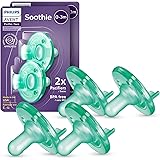
Are you a parent wondering how to introduce solid foods to your little one safely, especially around the 5-month mark? The journey of introducing new tastes and textures to your baby is exciting yet often comes with concerns about choking hazards. The video above visually demonstrates how a fruit feeding baby pacifier can be a fantastic tool for this very stage, providing a secure way for your baby to explore fruits.
Understanding the Importance of Safe Solid Food Introduction
Introducing solids is a significant milestone in your baby’s development, typically recommended between 4 and 6 months of age. At 5 months, many babies show readiness signs for this new adventure. However, the risk of choking is a primary concern for parents, making safe practices paramount.
Ensuring that your baby’s first food experiences are positive and risk-free builds a foundation for healthy eating habits. This includes selecting appropriate foods and utilizing tools that enhance safety and ease of feeding.
The Benefits of a Fruit Feeding Baby Pacifier
A fruit feeding pacifier, often called a baby food feeder or mesh/silicone feeder, is specifically designed to minimize choking risks while allowing infants to enjoy whole foods. These innovative devices usually consist of a handle connected to a mesh or silicone pouch.
Parents can place soft fruits or cooked vegetables inside the pouch, and the baby can then gnaw, suck, and chew on the food. Only small, manageable pieces or juices pass through the feeder’s holes, preventing larger chunks from becoming a hazard. This allows for safe exploration of textures and flavors.
Key Advantages of Using a Baby Food Feeder:
- Choking Prevention: The primary benefit is significantly reducing the risk of choking on large food particles.
- Self-Feeding Skills: It encourages babies to hold food and feed themselves, fostering independence and fine motor skills.
- Taste Exploration: Babies can experience the natural flavors of various fruits and vegetables without the worry of large chunks.
- Teething Relief: Chilled fruits in the feeder can provide soothing relief for sore gums during teething.
- Mess Reduction: While not entirely mess-free, it can contain some of the initial puree or juice, making mealtime slightly tidier.
Signs Your 5-Month-Old is Ready for Solids
While the video focuses on 5-month-olds, readiness for solids isn’t solely determined by age; it’s also about developmental milestones. Observing these cues is crucial for a successful and safe introduction to solid foods.
Look for signs such as good head and neck control, the ability to sit upright with minimal support, and showing interest in food others are eating. Additionally, the disappearance of the tongue-thrust reflex (where babies automatically push solids out of their mouth) indicates readiness.
Your baby might also open their mouth when food is offered or grab at food. These indicators suggest their digestive system and motor skills are developing to handle something more substantial than just milk.
Introducing Fruits Safely: First Choices and Preparation
Once you’ve determined your baby is ready, choosing the right fruits and preparing them correctly for the fruit feeding baby pacifier is key. Opt for soft, ripe fruits that are easy to mash or blend.
Always wash fruits thoroughly and peel them, even if your baby won’t be consuming the skin directly, to remove any pesticides or contaminants. Remove all seeds, pits, and tough cores to ensure only the edible, soft parts are offered.
Excellent First Fruits for Your Baby’s Fruit Feeder:
- Bananas: Naturally soft, sweet, and easy to mash.
- Avocados: A creamy, healthy fat source that’s incredibly soft.
- Melons (Cantaloupe, Honeydew): High in water content and very soft.
- Peaches/Nectarines: Peeled, pitted, and ripe, these are wonderfully juicy.
- Pears: Soft, ripe pears can be gently steamed or offered raw if very soft.
- Mangoes: Sweet and smooth when ripe, just be sure to peel and remove the large pit.
For tougher fruits like apples, consider steaming or boiling them until very soft before placing them in the feeder. This makes them easier for your baby to manage and digest.
How to Use Your Fruit Feeding Pacifier Effectively
Using the fruit feeder is straightforward, but a few tips can enhance the experience for both you and your baby. Begin by cutting the chosen fruit into small, manageable pieces that fit easily into the mesh or silicone pouch.
Securely close the feeder to prevent any pieces from falling out. Present the feeder to your baby and allow them to grasp it, guiding it to their mouth. Supervise your baby throughout the entire feeding session, never leaving them unattended with the feeder.
After each use, disassemble the feeder and clean all parts thoroughly with warm, soapy water or by following the manufacturer’s cleaning instructions. This prevents bacteria buildup and ensures hygiene for future use.
Expanding Beyond Fruits: Vegetables and Other Soft Foods
While the video highlights fruits, the fruit feeding baby pacifier isn’t limited to just sweet options. It can also be an excellent tool for introducing soft, cooked vegetables to your baby’s diet. This helps in developing a broader palate and ensuring they receive a variety of nutrients.
Think of steamed sweet potatoes, carrots, or peas, mashed or cut into tiny pieces. Other soft foods like cooked pasta (cut small) or even small pieces of cooked chicken (shredded) can eventually be introduced in the feeder, once your baby is more experienced with solids. Always ensure foods are appropriately prepared and suitable for your baby’s age and developmental stage.
Remember, the goal is to create a positive and safe experience around food. A fruit feeding baby pacifier offers a secure bridge for 5-month-olds to transition to solids, making meal times enjoyable and less stressful for parents.
Fruity Firsts: Your Safe Feeder Q&A
What is a fruit feeding baby pacifier?
A fruit feeding baby pacifier is a device with a handle and a mesh or silicone pouch designed to let babies safely gnaw on whole foods. It prevents large chunks from being swallowed, minimizing choking risks.
Why should I use a fruit feeding pacifier for my baby?
It helps prevent choking on large food pieces, encourages your baby to feed themselves, and allows them to explore different tastes and textures safely. It can also offer teething relief with chilled fruits.
When can I start introducing solid foods to my baby using this feeder?
Most babies are ready for solids between 4 and 6 months of age. Look for signs like good head control, the ability to sit upright, and showing interest in food others are eating.
What kinds of foods can I put in a fruit feeding pacifier?
You can put soft, ripe fruits like bananas, avocados, or peeled peaches. Cooked, soft vegetables such as steamed sweet potatoes or carrots also work well.
How do I prepare food for the fruit feeding pacifier?
Always wash, peel, and remove any seeds or pits from fruits and vegetables. Cut the food into small, manageable pieces that fit easily into the feeder’s pouch before securely closing it.