Ensuring your newborn’s hygiene is a cornerstone of their health and well-being, and it’s completely normal to feel a mix of excitement and apprehension when approaching this vital aspect of baby care. While the video above offers a visual journey into a safe and simple baby care routine, this detailed guide expands on the essential newborn baby hygiene tips every new parent needs to master. From delicate sponge baths to meticulous diaper changes, establishing a consistent and gentle hygiene routine not only keeps your baby clean but also strengthens the beautiful bond you share.
Approaching newborn hygiene with confidence means understanding the unique needs of your tiny human. Their skin is incredibly delicate, their immune system is still developing, and every interaction contributes to their comfort and sense of security. Let’s dive into the practical steps and considerations for maintaining impeccable hygiene for your little one, ensuring a happy and healthy start to life.
1. Mastering the Art of Newborn Bathing: From Sponge to Soaking
Bath time is much more than just cleaning; it’s an opportunity for bonding and sensory exploration. For the first few weeks, or until your baby’s umbilical cord stump falls off and the area is completely dry, sponge baths are the safest approach. You can easily clean your baby without submerging their sensitive cord area in water.
To begin a sponge bath, gather all your supplies beforehand: two soft washcloths, a mild baby soap, a basin of warm water, a clean diaper, and a fresh outfit. Lay your baby on a soft towel on a flat, safe surface, such as a changing table or floor. Gently wipe one section of their body at a time, keeping the rest covered to prevent chilling. Pay special attention to skin folds, like under the arms and around the neck, as these areas can collect moisture and lead to irritation.
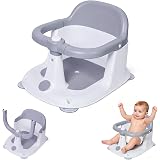
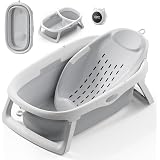
Once the umbilical cord has healed, usually around one to three weeks post-birth, you can transition to a full bath in a baby tub. Ensure the water temperature is comfortably warm, not hot (around 98-100°F or 37°C), by testing it with your elbow or a bath thermometer. Support your baby’s head and neck at all times, lowering them gently into the water. Use a small amount of mild baby wash, lathering it gently with your hand or a soft cloth, and rinse thoroughly. Remember, short, sweet baths are best for newborns to prevent drying out their delicate skin.
Essential Newborn Bathing Tips:
- Always test water temperature before bathing.
- Never leave your baby unattended in the bath, even for a second.
- Use a non-slip bath support or tub to keep your baby secure.
- Pat your baby dry thoroughly, especially in skin folds, to prevent rashes.
- Consider bath time every 2-3 days, not daily, to protect their skin barrier.
2. Navigating Umbilical Cord Care with Confidence
The umbilical cord stump is a direct connection to your baby’s time in the womb, and caring for it properly is crucial for preventing infection. It typically shrivels and falls off within one to three weeks after birth. During this period, the goal is to keep the area clean and dry, allowing it to heal naturally.
Fold your baby’s diaper down below the stump to expose it to the air. This helps to dry it out and prevents irritation from urine. When performing a sponge bath, gently clean around the base of the cord with a damp washcloth, ensuring no soap gets directly onto the stump itself. Some pediatricians may recommend swabbing the base with rubbing alcohol, but many now suggest simply keeping it dry and clean with water.
Monitor the cord stump for any signs of infection, such as redness around the base, swelling, foul-smelling discharge, or if your baby develops a fever. If you notice any of these symptoms, contact your pediatrician immediately. Allowing the cord to detach naturally is the best approach; avoid pulling or tugging on it, even if it seems loose.
3. Mastering Diaper Changing Hygiene for Comfort and Health
Diaper changes are a constant in newborn life, and maintaining proper hygiene during these frequent moments is vital to prevent diaper rash and infection. Newborns can go through 10-12 diapers a day, so you’ll get plenty of practice. Always have your supplies ready before you start: a fresh diaper, wipes (or wet washcloths), diaper rash cream if needed, and a changing pad.
For girls, always wipe from front to back to prevent bacteria from entering the urinary tract. For boys, ensure the foreskin (if uncircumcised) is gently cleaned externally and avoid pulling it back forcefully. After cleaning, allow your baby’s bottom to air dry for a minute or two before applying diaper rash cream and a fresh diaper. This extra drying time significantly reduces the risk of rash development. A common misconception is that all babies need diaper cream every change; use it as a preventative measure if your baby is prone to rashes, or at the first sign of redness.
Choose diapers that fit well, as too-tight or too-loose diapers can cause friction and leaks, both contributing to skin irritation. Consider using fragrance-free and alcohol-free wipes, especially for newborns with sensitive skin. If your baby develops a persistent diaper rash, consult your pediatrician, as it could be a yeast infection requiring specific treatment.
4. Gentle Nail, Eye, and Ear Care for Your Little One
Newborns have surprisingly sharp nails, and they grow quickly. These tiny talons can easily scratch their delicate skin, especially their face. Trimming your newborn’s nails can seem daunting, but it’s an important part of their personal care routine. Use soft-tipped baby nail clippers or a fine emery board designed for infants. The best time to trim nails is when your baby is asleep or very calm, such as after a feeding. Gently press the finger pad down to separate it from the nail, then clip straight across, following the natural curve of the nail. Avoid cutting too close to the quick to prevent pain or bleeding. Many parents find using an emery board safer and less intimidating for the first few months.
Newborn eye and ear care is generally minimal. Your baby’s eyes might have some discharge, especially in the first few days; this is often normal. To clean your baby’s eyes, use a clean, damp cotton ball or soft cloth. Wipe from the inner corner of the eye outwards, using a fresh part of the cloth for each eye. Never use soap directly in or around the eyes. For ears, simply wipe the outer ear with a soft, damp cloth. Never insert cotton swabs or any objects into your baby’s ear canal, as this can push wax further in and damage the eardrum. Earwax is a natural protective mechanism and usually clears on its own.
5. Protecting Baby’s Skin: Hydration and Rash Prevention
A newborn’s skin is incredibly soft but also highly susceptible to dryness, irritation, and rashes. Establishing a gentle skincare routine is crucial. After bathing, gently pat your baby’s skin dry and apply a hypoallergenic, fragrance-free baby lotion or ointment, especially if their skin appears dry. This helps to lock in moisture and maintain the skin’s natural barrier. Some babies may develop conditions like eczema (atopic dermatitis), characterized by dry, red, itchy patches. If you suspect eczema, consult your pediatrician for appropriate management, which often includes specialized moisturizers and mild steroid creams.
Beyond diaper rash, newborns can experience other common skin conditions. Milia, tiny white bumps often seen on the nose and chin, are harmless and usually disappear on their own. Cradle cap, characterized by greasy, yellowish scales on the scalp, can be managed by gently washing your baby’s hair with a mild baby shampoo and using a soft brush to loosen the scales. Avoid harsh scrubbing, which can irritate the scalp. Regular moisturizing and using baby-specific products will protect their delicate skin and keep it healthy.
6. Oral Hygiene from Day One: Caring for Gums and First Teeth
Even before your baby’s first tooth erupts, oral hygiene is important. After feedings, gently wipe your newborn’s gums with a clean, damp soft cloth or a special gum brush designed for infants. This removes milk residue and bacteria, setting the stage for good dental health. It also helps your baby get accustomed to having their mouth cleaned, making the transition to brushing later much easier.
When the first tooth appears, usually around six months of age, start brushing twice a day with a soft-bristled baby toothbrush and a tiny smear (rice-grain size) of fluoride toothpaste. Fluoride is essential for strengthening enamel and preventing cavities. Consistent oral hygiene during infancy helps prevent early childhood caries and fosters a lifetime of healthy habits. Remember to schedule your baby’s first dental visit by their first birthday or when their first tooth appears, whichever comes first.
7. Maintaining Overall Cleanliness and a Healthy Environment
Beyond direct personal hygiene, creating a clean and safe environment for your newborn is paramount. Regularly wash your baby’s bedding, clothing, and burp cloths with a mild, fragrance-free detergent. Ensure that anyone handling your baby has clean hands. Handwashing is one of the most effective ways to prevent the spread of germs to your vulnerable newborn.
Keep diaper changing areas clean and disinfected, and promptly dispose of soiled diapers. If you have pets, ensure they are clean and their living spaces are maintained. While an overly sterile environment isn’t necessary, a thoughtful approach to cleanliness minimizes exposure to potential irritants and pathogens. Focusing on these comprehensive newborn baby hygiene tips will ensure your little one thrives in a clean, healthy, and loving environment, allowing you to enjoy every precious moment with peace of mind.
Your Essential Newborn Hygiene Q&A: Keeping Your Baby Safe & Sparkling Clean
When can I give my newborn a full bath?
You can give your newborn a full bath in a baby tub once their umbilical cord stump has fallen off and the area is completely dry, which is usually around one to three weeks after birth. Before that, sponge baths are recommended to keep the cord area dry.
How should I care for my baby’s umbilical cord?
To care for your baby’s umbilical cord, keep it clean and dry, allowing it to heal naturally. Fold your baby’s diaper down below the stump to expose it to air, and gently clean around the base with a damp washcloth during sponge baths.
How often should I change my newborn’s diaper?
Newborns can go through 10-12 diapers a day, so you should change their diaper frequently. Always clean thoroughly, wiping front to back for girls, and allow your baby’s bottom to air dry for a minute or two before putting on a new diaper.
What is the best way to trim my newborn’s nails?
The best time to trim your newborn’s nails is when they are asleep or very calm, using soft-tipped baby nail clippers or a fine emery board. Gently press the finger pad down to separate it from the nail, then clip straight across.