The delicate nature of infant skin often presents a unique set of challenges for new parents. Concerns surrounding rashes, dryness, and reactions to everyday products are commonly experienced by caregivers seeking to provide the best environment for their little ones. Understanding the distinct properties of a baby’s skin and implementing appropriate care routines is therefore considered essential for maintaining optimal skin health. This comprehensive guide aims to illuminate seven crucial baby skin care facts, expanding upon the vital information visually presented in the video above to offer practical solutions and deeper insights.
Understanding the Uniqueness of Baby Skin
Firstly, it is important to acknowledge that baby skin is not merely a smaller version of adult skin; its structure and function are significantly less developed. The outermost layer, known as the stratum corneum, is approximately 30% thinner in infants compared to adults, resulting in a more permeable barrier. This increased permeability means that irritants, allergens, and even beneficial substances are absorbed more readily, sometimes leading to heightened sensitivity. Consequently, substances that might be benign for adult skin could potentially cause irritation or adverse reactions on an infant’s delicate surface.
Moreover, the pH level of a newborn’s skin is typically higher than that of an adult, leaning closer to neutral rather than slightly acidic. This higher pH can make the skin more susceptible to bacterial growth and environmental stressors, which are known contributors to various skin conditions. Therefore, careful consideration is advised when selecting products, ensuring they are specifically formulated to support the natural, developing skin barrier without causing disruption. A focus on gentle, pH-balanced products is often recommended by pediatric dermatologists to help maintain this fragile balance during the critical first few months of life.
Gentle Cleansing Practices Are Paramount
Secondly, when it comes to bathing, less is often considered more for an infant’s sensitive skin, especially during the newborn period. Frequent or prolonged baths can strip away natural oils, contributing to dryness and compromising the skin barrier. A typical recommendation involves bathing infants two to three times per week, with sponge baths being perfectly adequate until the umbilical cord stump has fully healed. The water temperature should be comfortably warm, rather than hot, and bath times are generally kept short, usually around five to ten minutes, to minimize moisture loss from the skin.
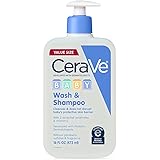
The choice of cleansing agents is also a critical factor in baby skin care; harsh soaps and bubble baths are typically avoided. Instead, a mild, fragrance-free, tear-free cleanser specifically designed for infants is advised. These specialized cleansers are formulated to be gentle on the skin, maintaining its natural moisture balance without causing irritation or dryness. After bathing, the skin is gently patted dry with a soft towel, rather than rubbed vigorously, ensuring that moisture is locked in before any emollients are applied. This careful approach helps to preserve the integrity of the baby’s skin barrier.
The Crucial Role of Regular Moisturization
Thirdly, routine moisturization plays a vital role in supporting the developing skin barrier and preventing dryness, particularly in babies. The skin’s natural moisturizing factors are still maturing, making it prone to losing moisture rapidly. A gentle, hypoallergenic, fragrance-free moisturizer or emollient is recommended for daily use, ideally applied immediately after a bath to trap moisture. Products containing ceramides or petrolatum are often suggested due to their effectiveness in reinforcing the skin’s barrier function. Such ingredients are known to help repair and strengthen the natural lipid barrier.
The consistent application of a suitable moisturizer can significantly reduce the incidence of dry patches and alleviate symptoms of conditions like eczema, which are common in infants. It is important to look for products that are free from common irritants such as dyes, phthalates, and harsh chemicals, as these can exacerbate sensitive skin issues. Applying moisturizer as part of a regular routine, rather than only when dryness is visibly present, proactively supports the skin’s health and resilience. This preventative approach is frequently endorsed by pediatricians.
Essential Sun Protection Strategies
Fourthly, protecting a baby’s skin from the sun’s harmful ultraviolet (UV) rays is an absolute necessity, as their skin is exceptionally vulnerable to sun damage. For infants under six months of age, direct sun exposure is strongly discouraged; shade and protective clothing are the primary lines of defense. This includes wide-brimmed hats, long-sleeved shirts, and pants made from lightweight, tightly woven fabrics. It is understood that the risk of sunburn and long-term skin damage, including an increased risk of skin cancer later in life, makes this avoidance crucial.
For babies over six months, a broad-spectrum sunscreen with an SPF of 30 or higher can be applied to small areas of exposed skin, such as the face and backs of the hands, if shade and clothing are insufficient. Sunscreens containing zinc oxide or titanium dioxide are generally preferred for infants, as these mineral-based filters sit on the skin’s surface and physically block UV rays, minimizing absorption. Regular reapplication, especially after swimming or sweating, is imperative to maintain effective protection. Furthermore, avoiding peak sun hours, typically between 10 a.m. and 4 p.m., is a simple yet highly effective strategy for safeguarding infant skin.
Effective Diaper Area Care and Rash Prevention
Fifthly, the diaper area is particularly susceptible to irritation due to constant exposure to moisture, friction, and waste products. Proactive and consistent diaper care is therefore fundamental in preventing diaper rash, a common complaint among parents. Regular diaper changes are paramount, ideally every two to three hours or immediately after bowel movements, to keep the area as dry and clean as possible. The use of mild, fragrance-free wipes or simply a soft cloth with water for cleaning is recommended, with gentle patting rather than rubbing of the skin.
After cleaning, ensuring the skin is completely dry before applying a fresh diaper is considered crucial for preventing moisture entrapment. A thick layer of a barrier cream containing zinc oxide or petrolatum can be applied with each diaper change to create a protective shield against irritants. This barrier helps to repel moisture and allows the skin to heal. Should a rash develop despite these preventative measures, it is advisable to continue with frequent changes, thorough cleaning, and consistent barrier cream application. If the rash persists for several days, worsens, or is accompanied by fever, consultation with a pediatrician is strongly recommended to rule out fungal infections or other issues requiring specific medical treatment.
Navigating Common Infant Skin Conditions
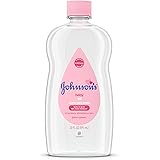
Sixthly, many infants will experience various transient skin conditions during their first few months of life, and understanding these can alleviate parental anxiety. Baby acne, for instance, often presents as small red bumps or whiteheads on the face, typically appearing within the first few weeks after birth. It is generally thought to be caused by maternal hormones and usually resolves on its own without intervention. Cradle cap, characterized by greasy, yellowish, scaly patches on the scalp, is another common condition. It can often be managed by gently washing the scalp daily with a mild baby shampoo and softly brushing away the scales with a soft brush after softening them with baby oil or petroleum jelly. This condition also typically clears up within a few months.
However, more persistent or uncomfortable conditions like infantile eczema (atopic dermatitis) may require more dedicated care. Eczema often manifests as red, itchy, dry, and sometimes oozing patches on the face, scalp, and flexural areas like the insides of the elbows and behind the knees. Management typically involves diligent moisturization with emollients, avoidance of triggers, and sometimes topical corticosteroids prescribed by a pediatrician. It is important to distinguish between these common, often self-resolving conditions and those that warrant professional medical advice. Any rapidly spreading rash, signs of infection, or significant discomfort in the infant should prompt a visit to the doctor.
The Importance of Product Ingredient Awareness
Seventhly, the ingredients found in baby skin care products directly impact the health and sensitivity of a baby’s skin. Given the increased permeability of infant skin, careful scrutiny of product labels is considered paramount. Ingredients known to be potential irritants or allergens, such as fragrances, dyes, parabens, phthalates, and formaldehyde-releasing preservatives, are typically avoided. Fragrances, for example, are a common cause of contact dermatitis in sensitive individuals, including babies, even if they smell pleasant. Dyes offer no functional benefit and can also be irritating.
Products marketed as “hypoallergenic,” “fragrance-free,” or “dermatologist-tested” are often better choices, though even these labels do not guarantee a complete absence of all potential irritants. Parents are encouraged to read ingredient lists thoroughly and choose products with minimal components, prioritizing natural and gentle formulations. When introducing a new product, it is often recommended to perform a patch test on a small area of the baby’s skin first to observe for any adverse reactions before widespread use. The selection of suitable baby skin care products is a cornerstone of maintaining a healthy and protected skin barrier for the infant, safeguarding against environmental stressors and potential sensitivities.
Soft Skin Solutions: Your Baby Care Q&A
How is baby skin different from adult skin?
Baby skin is significantly thinner and more permeable than adult skin, making it more sensitive and prone to absorbing irritants. It also has a higher pH, which can make it more susceptible to bacterial growth.
How often should I bathe my baby?
For infants, it’s generally recommended to bathe them two to three times per week with warm water and a mild, fragrance-free cleanser. Keep bath times short, around five to ten minutes, to prevent skin dryness.
What kind of products should I use on my baby’s skin?
Choose mild, fragrance-free, tear-free cleansers and hypoallergenic moisturizers specifically designed for infants. Avoid products with dyes, parabens, phthalates, or harsh chemicals, as these can irritate sensitive baby skin.
How can I protect my baby’s skin from the sun?
For babies under six months, keep them in the shade and use protective clothing like hats and long sleeves, as direct sun exposure is discouraged. For babies over six months, you can apply a mineral-based sunscreen (zinc oxide or titanium dioxide) with SPF 30+ to small exposed areas if shade isn’t enough.
What’s the best way to prevent diaper rash?
Change diapers frequently to keep the area dry and clean, using mild wipes or water. After cleaning, ensure the skin is completely dry before applying a thick layer of a barrier cream containing zinc oxide or petrolatum.