Navigating the early days of motherhood brings a whirlwind of emotions, questions, and an ever-growing list of baby essentials. As the insightful video above highlights, a well-chosen baby grooming kit can transform potential anxieties into moments of calm competence for new parents. Far from being luxury items, these tools become indispensable allies in maintaining your little one’s health, hygiene, and comfort. From managing tiny nails to tackling unexpected sniffles, understanding each item’s purpose empowers you to provide the best care.
For many first-time mothers, the sheer variety of baby products available can feel overwhelming. You might wonder which items truly matter and how to use them safely and effectively. The good news is that with a comprehensive baby grooming kit, you gain immediate access to the fundamental tools needed for daily care. Let’s delve deeper into these essential components, expanding on their uses and offering practical tips to help you confidently groom your baby.
Essential Baby Grooming Kit Items & Their Practical Uses
Every item in a quality baby grooming kit serves a specific, crucial function. Learning to wield each tool with confidence is a significant step in your parenting journey, ensuring your baby stays clean, healthy, and happy. Proper use, as demonstrated in the video, often means adhering to specific techniques and maintaining hygiene.
1. The Indispensable Baby Thermometer
Imagine if you could quickly and accurately gauge your baby’s health at a moment’s notice. A reliable baby thermometer provides exactly that reassurance. As the video emphasizes, monitoring your baby’s temperature is critical, especially since their delicate systems are sensitive to changes. Normal baby temperature typically hovers around 36-37 degrees Celsius (96.8-98.6 degrees Fahrenheit).
-
Underarm Method: For general checks, the underarm method is commonly used. Simply place the thermometer in your baby’s armpit and hold their arm gently against their body until it beeps, indicating a reading. This is often the most comfortable method for infants.
-
Rectal Thermometers: For the most accurate reading in newborns and infants, doctors often recommend a rectal thermometer. While it might seem daunting, it’s a quick process that provides crucial information when a fever is suspected. Always lubricate the tip with petroleum jelly and insert gently.
-
Forehead & Ear Thermometers: These are convenient for older babies and toddlers, but may be less accurate for newborns. Always follow the manufacturer’s instructions for the specific type you have.
Knowing the normal range allows you to quickly identify when your baby’s temperature rises or falls too much. A persistent temperature above 38 degrees Celsius (100.4 degrees Fahrenheit) in a baby under three months warrants an immediate call to your pediatrician.
2. Delicate Nail Care: Clippers, Scissors, and Files
Babies’ nails grow surprisingly fast and can be incredibly sharp, leading to accidental scratches on their delicate skin. The video wisely points out that you cannot use adult nail tools on infants. A specialized baby nail care set—comprising clippers, scissors, and a file—is essential for safe and effective grooming.
-
Baby Nail Clippers: These are often smaller than adult clippers, with rounded edges for safety. Choose clippers designed to fit tiny fingers and toes.
-
Baby Nail Scissors: Featuring blunt, rounded tips, baby nail scissors provide excellent control for precise trimming. Many parents find these easier to use than clippers on wiggly infants.
-
Soft Nail File: After trimming, a soft nail file can smooth out any sharp edges, preventing further scratches. This is also excellent for gently shortening nails without cutting, especially for very young newborns.
Pro Tip: Try trimming your baby’s nails when they are asleep or after a warm bath when their nails are softer and they are more relaxed. This minimizes squirming and makes the process safer. Remember to always handle your baby’s hands and feet with utmost gentleness.
3. Precise Medicine Dispenser
Administering medication to a small baby can be challenging, especially when precise dosages are required. The video highlights a critical tool: the baby medicine dispenser. Unlike regular spoons, these dispensers feature clear measurements (1ml, 2ml, 3ml, 4ml, 5ml, and sometimes increments like 2.5ml) and are designed to deliver medicine directly into your baby’s mouth, minimizing spills and ensuring accuracy.
Imagine trying to measure 2.5ml of liquid medicine with a regular spoon for a sick infant. It’s nearly impossible to be accurate, and inaccurate dosing can be ineffective or even harmful. A medicine dispenser, often a syringe-style tool or a dropper, allows you to suction the exact amount prescribed by the doctor. You then gently place it in your baby’s cheek pocket and slowly push the plunger, allowing them to swallow at their own pace.
Key Benefit: These dispensers help bypass taste buds that might lead to rejection, making medication time less stressful for both parent and baby.
4. The Mighty Nasal Aspirator
A blocked nose can be incredibly distressing for a baby, impacting their feeding and sleep. As the speaker candidly shares, there was a time she didn’t know how to use this tool, resorting to less ideal methods! The nasal aspirator, or snot sucker, is a game-changer for clearing congested little airways.
Different types of nasal aspirators include:
-
Bulb Syringe Aspirator: The most common type, it features a rubber bulb that you compress, insert into the nostril, and then release to suction out mucus. Always sterilize before and after each use.
-
Manual Suction Aspirators: These involve a tube with a mouthpiece for the parent and a tip for the baby’s nostril, often with a filter to prevent mucus transfer. Many parents find these highly effective for stubborn congestion.
-
Electric Nasal Aspirators: Battery-operated devices that offer continuous, gentle suction. They can be more expensive but are often lauded for their efficiency and ease of use.
How to Use: The video explains the basic suction-and-release method. To enhance effectiveness, consider using a few drops of saline solution in each nostril before using the aspirator. This loosens dried mucus, making it easier to remove. Remember to clean all parts thoroughly and sterilize them, as emphasized in the video, to prevent the spread of bacteria.
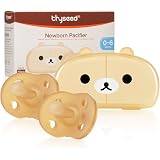
5. Soothing Pacifier
Pacifiers can be a source of comfort and soothing for many babies, helping them to self-settle and fulfill their natural sucking reflex. While the speaker’s baby might not have taken to it, many parents find pacifiers to be invaluable tools, especially during sleep transitions or when the baby is fussy but not hungry.
Considerations:
-
Material and Shape: Pacifiers come in silicone and latex, with various nipple shapes. Experiment to find what your baby prefers.
-
Hygiene: Always sterilize new pacifiers and clean them regularly, especially if they fall on the floor.
-
Timing: If breastfeeding, it’s often recommended to wait until breastfeeding is well established (usually around 3-4 weeks) before introducing a pacifier to avoid nipple confusion.
If your baby doesn’t take to a pacifier, don’t worry—it’s not a mandatory item. Some babies simply prefer other forms of comfort, like thumb-sucking or being held.
6. The Silicone Teether & Toothbrush
Teething can be a challenging period for both babies and parents, marked by discomfort, fussiness, and a strong urge to chew. A silicone teether and toothbrush serve a dual purpose: providing relief for sore gums and introducing early oral hygiene habits.
-
Teething Relief: Silicone teethers, often with various textures, give babies a safe and clean object to gnaw on. Chilling them in the refrigerator (never the freezer, as this can be too harsh) can provide extra relief. The video shows how the speaker cleverly improvises by separating parts of the teether to find what her baby enjoyed most—a perfect example of adapting to your baby’s needs.
-
First Toothbrush: The silicone brush, often worn on a parent’s finger, is excellent for gently massaging sore gums and cleaning a baby’s first emerging teeth. Even before teeth appear, massaging the gums can get your baby accustomed to the sensation of a brush in their mouth.
Dental Hygiene: Once your baby’s first tooth erupts, you should begin brushing twice a day with a tiny smear of fluoride toothpaste (rice grain size). This is a crucial step in preventing early childhood cavities.
7. Water Temperature Meter (Frog Temperature Gauge)
A baby’s delicate skin is highly sensitive to temperature extremes. The speaker rightly emphasizes that bath water should never be as hot as an adult’s preference. A water temperature meter, like the frog-shaped one she shows, ensures the bath water is perfectly safe and comfortable for your little one.
The ideal bath water temperature for a baby is around 37-38 degrees Celsius (98.6-100.4 degrees Fahrenheit), never exceeding 49 degrees Celsius (120 degrees Fahrenheit). Water that feels merely warm to an adult can be scalding for a baby. Imagine the discomfort and potential harm if you relied solely on your elbow to test water that’s too hot!
How to Use: Simply float the meter in the bath water and wait for it to display the temperature. This provides an objective reading, removing any guesswork and greatly enhancing bath time safety.
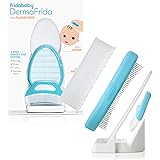
8. Gentle Comb & Brush Set
Even if your baby has only a few wisps of hair, a soft baby comb and brush are wonderful for gentle grooming and scalp care. The bristles on baby brushes are incredibly soft, designed not to irritate a sensitive scalp.
-
Hair Smoothing: Gently brushing your baby’s hair not only makes them look tidy but also stimulates blood flow to the scalp, which can promote healthy hair growth.
-
Cradle Cap Management: For babies with cradle cap (a common, harmless skin condition), a soft brush can help gently loosen and remove flakes during bath time after applying baby oil or petroleum jelly.
-
Bonding: Brushing your baby’s hair can be a lovely, calming ritual, offering another opportunity for gentle touch and bonding.
Avoid using adult brushes or combs, which can be too harsh for a baby’s tender scalp and fine hair.
9. Safety Clip / Mucus Remover
Often overlooked, a small safety clip or mucus remover (sometimes called ear and nose cleaner) is designed to delicately remove visible mucus or small particles from your baby’s nostrils or ears. The speaker demonstrates its use for external mucus.
Important Safety Note: Use this tool with extreme caution and only for visible obstructions at the very entrance of the nostrils or ear canal. Never insert it deeply into the ear canal or nose, as this can cause injury. For deeper congestion, the nasal aspirator is the appropriate tool. Always clean the clip thoroughly after each use.
The Undeniable Value of a Baby Grooming Kit
As the video passionately conveys, being a first-time mother can be a journey filled with uncertainties. “Coping and handling a small baby, guys, it’s not easy.” Moments like discovering your baby has a blocked nose or a slight fever can be incredibly stressful when you don’t know what to do. This is where a comprehensive baby grooming kit truly shines.
Having all the necessary tools readily available means you are prepared for common baby care scenarios. It reduces the stress of trying to find the right item in a panic and ensures you can act quickly and confidently. Imagine if you didn’t have a thermometer when your baby felt warm, or a nail clipper when their tiny, sharp nails scratched their face. These tools are designed to make daily care routines smoother and safer, fostering a sense of control and confidence in new parents.
Ultimately, investing in a quality baby grooming kit is an investment in your peace of mind and your baby’s well-being. It simplifies the often-complex world of infant care, allowing you to focus on the joy of nurturing your little one.
Niko Na Swali! Your Baby Grooming Q&A with Our Kenyan Creator
What is a baby grooming kit?
A baby grooming kit is a collection of essential tools designed to help new parents maintain their baby’s health, hygiene, and comfort.
Why is a baby grooming kit important for new parents?
It helps new parents confidently handle common baby care tasks like managing tiny nails, checking temperature, or clearing a blocked nose, reducing stress and ensuring well-being.
What are some essential items typically found in a baby grooming kit?
Key items often include a baby thermometer, nail clippers or scissors, a nasal aspirator, and a soft comb and brush set.
How can I tell if my baby’s bath water is safe?
You should use a water temperature meter to ensure the bath water is around 37-38 degrees Celsius (98.6-100.4 degrees Fahrenheit), as a baby’s skin is very sensitive.