Bringing a newborn home is an exhilarating, yet often overwhelming experience. Amidst the flurry of joy, sleepless nights, and endless questions, the delicate care of your baby’s skin can feel like another complex puzzle to solve. Many new parents find themselves lost in a sea of conflicting advice, wondering about everything from daily bathing to managing flaky skin or diaper rash. Rest assured, these anxieties are universal, and finding clear, reliable guidance is key.
This comprehensive guide aims to cut through the noise, offering a straightforward and actionable newborn baby skincare routine that builds upon the valuable insights shared in the video above. We will delve into understanding your baby’s unique skin, establishing gentle cleansing habits, ensuring proper moisturization, and tackling common skin concerns with confidence. Your little one deserves the gentlest touch, and with the right approach, you can foster healthy, happy skin from day one.
1. Understanding Your Newborn’s Delicate Skin
Before diving into specific routines, it is crucial to appreciate the unique nature of newborn skin. Unlike adult skin, which has matured and developed a robust protective barrier, a baby’s skin is remarkably fragile and still very much in development. This fundamental difference dictates the special care and attention it requires to stay healthy and resilient.
Firstly, your baby’s skin is approximately five times thinner than adult skin. This means it is far more permeable, making it highly susceptible to absorbing substances from its environment, whether beneficial or harmful. Consequently, irritants like harsh chemicals, strong fragrances, or even extreme temperatures can easily penetrate this delicate barrier, leading to dryness, irritation, or rashes.
Secondly, a newborn’s skin is still diligently adjusting to the external world. Having spent nine months enveloped in the protective amniotic fluid, it suddenly faces exposure to air, varying temperatures, clothing, and external elements. This transition phase is critical, as the skin barrier works to establish its full protective function. During this period, babies are particularly sensitive to fluctuations in their surroundings, emphasizing the need for a stable and gentle environment.
Lastly, this nascent skin barrier is extremely sensitive to changes in temperature, as well as to artificial fragrances and chemicals commonly found in many products. These factors can strip away natural oils, disrupt the skin’s pH balance, and trigger adverse reactions. Therefore, prioritizing mild, hypoallergenic, and fragrance-free products becomes not just a preference, but a necessity for optimal newborn baby skincare.
2. Crafting a Gentle Newborn Bath Routine
Gentle cleansing forms the cornerstone of any effective newborn skin care routine. The goal is to clean without stripping essential moisture or causing irritation, which is why the “less is more” philosophy often rings true for infants. Establishing the right bathing habits early on will contribute significantly to your baby’s skin health.
2.1. Bathing Frequency and Duration
During the first few weeks of life, generally for the first three to four weeks, daily full baths are typically unnecessary and can even be counterproductive. As the video highlights, bathing your baby once a day is often sufficient, particularly in those initial weeks. Excessive bathing can strip away natural oils, leading to dry skin and compromising the developing skin barrier. Instead, focus on targeted cleaning of areas prone to getting dirty, such as the diaper area and skin folds, using soft wipes or a damp cloth between baths.
As your baby grows and becomes more active (crawling, eating solids), bathing frequency may increase, but in the beginning, prioritize short, gentle sessions. The entire bathing process, from washing to drying and moisturizing, should ideally take no more than 5-10 minutes to minimize skin exposure to water and keep your baby comfortable.
2.2. Choosing the Right Soap: Mild and pH-Balanced
The type of soap you use for your newborn is paramount. Always opt for a very mild, gentle, and fragrance-free soap specifically designed for babies. A pH-balanced formula is especially beneficial because it matches the natural acidity of a baby’s skin, helping to maintain its protective barrier. Harsh soaps, often alkaline, can disrupt this balance, leading to dryness and irritation.
Look for products that are free from dyes, parabens, phthalates, and sulfates, as these can be common irritants. The Agnesia soap, as mentioned in the video, is a trusted example of a mild, gentle option that has been used successfully for years. Such gentle formulations ensure that cleansing removes dirt without stripping away crucial moisture, leaving your baby’s skin feeling soft and protected.
2.3. The Importance of Lukewarm Water
When preparing your baby’s bath, the water temperature is a critical consideration. Many parents instinctively fear their baby getting cold and may use water that is too hot, which can be detrimental to delicate skin. Hot water can scald quickly, but even water that feels “warm” to an adult can be too hot for a baby, stripping natural oils and potentially causing burns or significant dryness.
Always use lukewarm water, testing it with your elbow or a bath thermometer to ensure it’s around 98-100°F (37-38°C). This temperature mimics the environment inside the womb, making it comfortable and safe for your newborn. Avoid creating a steamy, locked-down environment; a comfortably warm room with lukewarm water is all that is needed to prevent chills without compromising skin integrity. Remember, safety and comfort are key for a positive bathing experience.
2.4. Gentle Cleansing Tools: Ditch the Harsh Sponge
When it comes to washing your baby, resist the urge to use abrasive sponges or loofahs. Your baby’s skin simply doesn’t accumulate the kind of dirt that requires scrubbing. Harsh scrubbing can cause microscopic abrasions, damage the skin barrier, and lead to irritation or rashes, potentially even darkening the skin over time. The video strongly advises against using sponges for these very reasons.
Instead, choose soft baby washcloths or simply use your clean hands. These provide enough gentle friction to clean the skin effectively without any risk of harm. Lather a small amount of mild baby soap onto the washcloth or your hands, and then gently wipe your baby’s skin. Washcloths are easy to keep clean and are much kinder to sensitive newborn skin, promoting a truly gentle cleansing process.
2.5. Proper Bathing Technique: Cleanest to Dirtiest
A smart approach to bathing your newborn involves starting with the cleanest areas and working your way down to the dirtier ones. This prevents the spread of bacteria from areas like the diaper region to more sensitive parts like the face. Begin by gently washing your baby’s face with a damp, soap-free cloth, moving towards the neck and behind the ears.
For chubby babies, pay special attention to skin folds in the neck, armpits, and groin area. These folds can trap moisture and debris, leading to irritation, so careful but gentle cleaning is essential. Proceed to the chest, back, and limbs, finishing with the diaper area. Hair washing can be done less frequently, perhaps once or twice a week, using a very mild baby shampoo. On hair-washing days, you might start with the hair before moving to the body to ensure all shampoo is rinsed away thoroughly.
3. Essential Moisturizing for Baby’s Skin
While the video primarily focuses on cleansing and targeted care, the speaker emphasizes “self-moisturizing” as one of the three core principles of newborn skincare. This highlights the critical role of maintaining skin hydration, especially given how thin and prone to dryness a baby’s skin is. Post-bath moisturizing is an essential step that reinforces the skin’s natural barrier, locking in moisture and protecting against environmental irritants.
After a gentle bath, while your baby’s skin is still slightly damp, apply a fragrance-free, hypoallergenic baby lotion or cream. This locks in the moisture from the bath, preventing dry patches and supporting the skin’s barrier function. Choose products specifically formulated for babies, as they are less likely to contain harsh chemicals or allergens. Ingredients like ceramides, shea butter, or natural oils (like sunflower oil) can be beneficial for providing gentle hydration without overwhelming the skin.
Avoid heavy petroleum-based products for general body moisturizing, as they can sometimes be too occlusive, potentially trapping heat or causing clogged pores on widely applied areas. Instead, opt for lighter creams that absorb well. Consistent, gentle moisturizing can make a significant difference in preventing common issues like eczema or general dryness, contributing to a comfortable and healthy newborn baby skincare routine.
4. Targeted Care for Common Newborn Skin Concerns
Even with the most meticulous general newborn baby skincare routine, specific areas or conditions may require extra attention. Addressing these targeted concerns effectively is crucial for your baby’s comfort and overall skin health. The video provides excellent advice on several key areas.
4.1. The Diaper Area: A High-Risk Zone
The diaper area is consistently exposed to moisture, urine, and feces, making it highly susceptible to rashes and irritation. Proper hygiene in this region is non-negotiable. When changing diapers, thoroughly clean the area using gentle, fragrance-free, alcohol-free wet wipes. Always wipe from front to back to prevent the spread of bacteria, especially for baby girls.
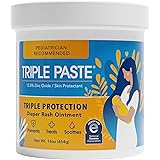
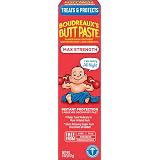
After cleaning, allow the skin to air dry for a moment if possible, then apply a protective barrier cream. As recommended in the video, products like Sudocrem or other zinc oxide-based barrier creams create a physical shield between your baby’s skin and the diaper’s contents. This protective layer is vital in preventing diaper rash. Frequent diaper changes, at least every 2-3 hours or immediately after a bowel movement, are the best preventative measure against irritation in this sensitive zone, which is a key part of effective newborn skin care.
4.2. Neck Folds and Behind the Ears
For babies, particularly those with adorable chubby rolls, skin folds are areas where moisture, sweat, and even milk can accumulate. The neck folds and the skin behind the ears are common culprits for irritation if not properly cleaned and dried. This moisture can create an environment ripe for yeast or bacterial growth, leading to redness, chafing, and rashes.
During bath time, gently lift your baby’s neck to expose the folds and carefully clean them with a soft washcloth and mild soap. Ensure you also wipe behind the ears. After bathing, it is imperative to thoroughly pat these areas dry. You can use a soft, dry washcloth or a cotton swab for behind the ears. Once dry, apply a thin layer of baby lotion or cream to moisturize and provide an additional barrier against friction and moisture buildup. Consistent attention to these often-overlooked spots helps prevent discomfort and maintains healthy newborn skin.
4.3. Cradle Cap: A Common Scalp Concern
Cradle cap, medically known as infantile seborrheic dermatitis, is a very common and harmless condition characterized by scaly, greasy patches on a baby’s scalp. It often looks like severe dandruff and can sometimes appear on the face or behind the ears. While it can be visually concerning for new parents, it typically clears up on its own within a few months, and the video offers an excellent, gentle method for management.
To help loosen and remove the scales, apply a small amount of natural oil, such as coconut oil, to your baby’s scalp about 15-30 minutes before bath time. This helps to soften the flakes, making them easier to remove. During the bath, gently massage the scalp with a soft baby brush or comb. It is crucial to do this when the scalp is moist and softened by the oil, as attempting to scrape or comb dry flakes can irritate the skin. After gentle brushing, wash your baby’s hair with a mild baby shampoo and rinse thoroughly. This process can be repeated a few times a week until the cradle cap resolves, ensuring you are maintaining a gentle and effective newborn baby skincare approach.
Gentle Touch, Gentle Answers: Your Newborn Skincare Q&A
Why is newborn skin so delicate and special?
Newborn skin is about five times thinner and more permeable than adult skin, making it very fragile and sensitive to external factors. It is still developing its protective barrier as it adjusts to the world outside the womb.
How often should I bathe my newborn baby?
In the first few weeks, daily full baths are generally not necessary and can strip natural oils, leading to dry skin. Bathing your baby once a day, or even less frequently initially, is often sufficient.
What kind of soap and water temperature should I use for my baby’s bath?
Always opt for a very mild, gentle, fragrance-free, pH-balanced baby soap. The water should be lukewarm, tested with your elbow or a thermometer, ideally around 98-100°F (37-38°C).
How can I prevent diaper rash on my baby?
Prevent diaper rash by changing diapers frequently, thoroughly cleaning the area with gentle wipes, allowing the skin to air dry if possible, and applying a protective zinc oxide-based barrier cream.
What is cradle cap and how can I help treat it?
Cradle cap is a common condition causing scaly, greasy patches on a baby’s scalp. To help treat it, apply a natural oil like coconut oil to soften the scales before a bath, then gently massage the scalp with a soft brush and wash with mild baby shampoo.