The journey of parenthood is often described as one of the most fulfilling experiences, yet it is undeniably filled with new challenges and a steep learning curve. Picture this: you are preparing for the arrival of a tiny new family member, eager to provide everything they need. Suddenly, a vast array of products appears before you, each claiming to be indispensable. From feeding solutions to comforting toys, the sheer volume of choices can feel overwhelming, making it difficult to discern what truly constitutes a set of essential baby items.
The video above serves as an excellent foundational guide, introducing numerous common baby care items in a bilingual format, perfect for early learners and new parents alike. This article aims to build upon that visual introduction, delving deeper into the purpose and selection considerations for these crucial baby products. Understanding each item’s role can significantly ease the transition into parenthood, ensuring that both baby and parents are well-equipped for the exciting times ahead.
Establishing Foundational Baby Essentials for Feeding and Comfort
When preparing for a newborn, certain items are frequently recognized as core necessities for daily care. The initial focus is often placed on feeding and ensuring the infant’s comfort. Proper tools in these categories are considered paramount for an infant’s well-being and development.
Essential Baby Items for Nourishment: Bottles, Spoons, Bowls, and Cups
- Baby Bottle: These vessels are primarily utilized for delivering milk or formula to an infant. Bottles are commonly available in various materials, including glass, plastic, and silicone, each offering distinct advantages such as durability or ease of cleaning. Furthermore, nipples are designed with different flow rates to accommodate the baby’s age and sucking strength.
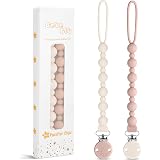
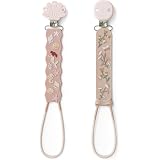
- Pacifier: Often referred to as a “soother,” a pacifier is employed to comfort and calm a baby through non-nutritive sucking. Research suggests that pacifier use may also be associated with a reduced risk of Sudden Infant Death Syndrome (SIDS). These items come in numerous shapes and sizes, crafted from silicone or latex, and proper cleaning is crucial for hygiene.
- Baby Spoon: Once solid foods are introduced, typically around six months of age, a baby spoon becomes indispensable. These spoons are specially designed with soft tips to protect a baby’s delicate gums and are sized appropriately for small mouths. The transition to solids is a significant developmental milestone, often marked by the introduction of these specialized utensils.
- Baby Bowl: A baby bowl is utilized for holding an infant’s solid food portions. Many feature suction bases to prevent spills during mealtimes, promoting a cleaner eating environment. They are typically made from durable, child-safe materials like silicone or BPA-free plastic, designed to withstand drops and enthusiastic eating attempts.
- Baby Cup: As a child progresses from bottles, a baby cup, often a sippy cup or straw cup, is introduced to encourage independent drinking. These cups are constructed to prevent leaks and spills, aiding in the development of fine motor skills and preparing the child for eventual use of an open cup.
Maintaining Hygiene and Wellness with Baby Care Items
A significant aspect of infant care involves maintaining cleanliness and promoting healthy skin. A selection of dedicated baby hygiene essentials contributes greatly to a baby’s overall health and comfort, safeguarding against common skin issues and promoting a soothing routine.
Crucial Baby Products for Cleanliness and Skin Health
- Diaper: Diapers are fundamental for keeping babies clean and dry, managing waste efficiently. Parents typically choose between disposable and reusable cloth diapers, each having different environmental and cost implications. Regular diaper changes are crucial to prevent diaper rash, a common skin irritation that can cause significant discomfort for an infant.
- Baby Wipes: These moistened cloths are an indispensable tool for quick clean-ups, especially during diaper changes. Baby wipes are formulated to be gentle on sensitive skin, with many varieties being fragrance-free and hypoallergenic. They are also highly versatile for cleaning messy hands and faces while on the go.
- Baby Bib: A bib acts as a protective barrier, keeping a baby’s clothing clean during feeding times or while teething. Bibs are available in various materials, from absorbent cloth to wipeable silicone, and are secured with snaps, velcro, or ties around the baby’s neck. They significantly reduce the frequency of clothing changes.
- Baby Towel: After bathing, a soft and absorbent baby towel is essential for gently drying a baby’s delicate skin. Hooded towels are particularly popular, providing extra warmth and coziness for the baby’s head immediately after being taken out of the water, making bath time a more comfortable experience.
- Baby Soap: Formulated specifically for sensitive infant skin, baby soap is characterized by its mildness and tear-free properties. These soaps are designed to cleanse without stripping natural oils, helping to maintain the skin’s protective barrier and prevent dryness or irritation.
- Baby Shampoo: Similar to baby soap, baby shampoo is designed to be gentle on a baby’s scalp and hair. It is typically tear-free and hypoallergenic, effectively cleaning the scalp and hair while preventing cradle cap, a common condition in newborns.
- Baby Oil: Baby oil is frequently used for gentle massages, which can aid in bonding and relaxation, and as a moisturizer to keep skin soft. It often acts as a protective barrier, locking in moisture and maintaining skin hydration.
- Baby Lotion: This product is applied to hydrate and protect a baby’s skin, preventing dryness. Baby lotions are typically hypoallergenic and free from harsh chemicals or fragrances, ensuring they are suitable for delicate skin, especially after bathing.
- Baby Powder: Historically, baby powder has been used to absorb moisture and reduce friction in skin folds, preventing chafing. However, it is noteworthy that current recommendations often advise against the use of talc-based powders due to respiratory concerns; cornstarch-based alternatives are widely available and considered safer if powder is deemed necessary.
Comfort, Play, and Mobility: Essential Baby Items for Development and Ease
Beyond basic care, an infant’s development is greatly influenced by comfort, opportunities for play, and the ability to move safely. Thoughtfully selected baby essentials in these categories support cognitive and physical growth, while also providing practical solutions for parents on the go.
Supporting Growth and Convenience with Key Baby Products
- Baby Blanket: A baby blanket serves multiple purposes, providing warmth, comfort, and security. They are also commonly used for swaddling newborns, a technique that mimics the snugness of the womb, aiding in sleep. Safety guidelines suggest that blankets should not be used unsupervised in a crib with infants to minimize SIDS risk.
- Baby Rattle: Rattles are among the first toys introduced to infants, stimulating sensory development through sound and movement. They aid in the development of hand-eye coordination as babies learn to grasp and shake them. These toys are usually lightweight and designed to be easily held by small hands.
- Baby Stroller: A baby stroller, or pram, is an indispensable item for transporting infants and toddlers comfortably and safely. Various types exist, including lightweight umbrella strollers, robust jogging strollers, and versatile travel systems that combine a stroller with a car seat. Selecting an appropriate stroller often depends on lifestyle and usage frequency.
- Baby Crib: A crib serves as a safe and secure sleeping environment for an infant. Modern cribs are constructed to meet stringent safety standards, featuring sturdy construction and appropriate mattress support. A safe sleep environment is paramount for reducing the risk of SIDS, emphasizing a firm mattress and the absence of loose bedding or bumpers.
- Teether: As infants begin the teething process, a teether becomes a valuable tool for providing relief from sore gums. These items are designed for babies to chew on, with many featuring various textures and shapes to massage the gums. Some teethers can be chilled, offering additional soothing properties for uncomfortable babies.
The array of available baby items is extensive, and each product plays a specific role in an infant’s care and development. By understanding the purpose of these various baby essentials, new parents can approach the task of preparing for their baby with confidence and clarity, ensuring a nurturing and well-equipped environment for their precious little one.
शिशु आवश्यक वस्तुएं: आपके प्रश्न और हमारे जवाब
Why is it helpful to learn about baby items?
Understanding the purpose of different baby items helps new parents prepare for their baby with confidence, ensuring a nurturing and well-equipped environment.
What are some essential items for feeding a baby?
Essential items for feeding include baby bottles for milk or formula, baby spoons and bowls for introducing solid foods, and baby cups for independent drinking.
What are baby wipes used for?
Baby wipes are moistened cloths used for quick clean-ups, especially during diaper changes, and are formulated to be gentle on sensitive skin.
What is a baby crib used for?
A baby crib serves as a safe and secure sleeping environment for an infant, constructed to meet stringent safety standards.
What is a teether for?
A teether is a valuable tool designed for babies to chew on, providing relief from sore gums during the teething process.