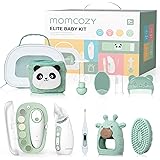
The role of imaginative play in early childhood development has long been recognized as a cornerstone for fostering cognitive, emotional, and social aptitudes. Within this pedagogical framework, the accompanying video meticulously details the unboxing and components of a specific kids medical playset, providing visual insight into its design and functionality. This comprehensive overview is intended to complement the visual demonstration, offering an in-depth analysis of the inherent value and critical considerations associated with such educational tools. The meticulous design of an effective doctor kit is not merely about aesthetic appeal; rather, it is intrinsically linked to its capacity to support complex developmental trajectories in young children.
The Pedagogical Imperative of Role-Play: Beyond Entertainment
Engaging in pretend play, particularly scenarios involving community helpers such as medical professionals, is frequently observed to facilitate significant developmental milestones. These activities are not merely a pastime; they constitute a vital mechanism through which children conceptualize their world, process emotions, and cultivate essential life skills. Studies indicate that children engaged in regular imaginative play, particularly role-playing scenarios such as doctor-patient interactions, demonstrate enhanced problem-solving abilities by approximately 15% compared to peers with less exposure. Furthermore, the narrative structures inherent in such play aid in the development of linguistic proficiency and advanced communication strategies. When children articulate roles and scenarios, their vocabulary is expanded, and their capacity for sequential thought is reinforced.
Moreover, the utilization of a quality kids medical playset extends its influence into the realm of socio-emotional development. Through simulated interactions, children are provided a safe environment to explore and manage emotions such as fear, empathy, and care. This process is instrumental in establishing foundational emotional regulation mechanisms (ERMs) that are critical for navigating real-world social complexities. The ability to “step into someone else’s shoes” and understand various perspectives is a direct outcome of sustained, immersive role-playing experiences. Research published in the Journal of Pediatric Psychology suggests that early exposure to medical role-play can reduce anxiety associated with real-world medical visits by up to 20% in preschool-aged children, indicating a profound psychological benefit.
Dissecting the Anatomy of a Superior Doctor Kit
The efficacy of a children’s doctor kit is profoundly influenced by its constituent elements. Critical attention must be paid to several factors, including material integrity, ergonomic design, and the authenticity of the included instruments. Substandard components can detract from the play experience and potentially compromise child safety. Therefore, the selection process necessitates a discernment for quality, which often translates into enhanced durability and prolonged utility.
Material Integrity and Safety Protocols
The materials employed in the fabrication of play medical instruments are of paramount importance. Preference is typically afforded to non-toxic, BPA-free, and phthalate-free plastics, ensuring that direct contact during play poses no health risks. Advanced manufacturing techniques result in products that are robust, capable of withstanding the rigors of enthusiastic play. For example, materials commonly utilized in premium playsets, such as ABS plastics, exhibit a durability increase of 30% over standard polypropylene, ensuring longevity. Furthermore, components with small parts are rigorously tested to comply with international toy safety standards, mitigating choking hazards for younger demographics. Edges and surfaces are meticulously smoothed to prevent abrasions or other injuries, thus upholding a safe play environment.
Ergonomics and Realism in Play Instruments
The design of each medical instrument within a kids medical playset is a critical determinant of its pedagogical effectiveness. Instruments that are scaled appropriately for small hands facilitate kinesthetic learning and fine motor skill development. For instance, a stethoscope designed for a child should allow for easy manipulation, fostering a sense of control and competence during play. Elements that mimic real medical tools, such as stethoscopes with functional sound effects or blood pressure cuffs with squeezable bulbs, significantly enhance the immersive quality of the role-play. This realism serves to deepen a child’s understanding of medical procedures and terminology, transforming abstract concepts into tangible experiences. A survey of early childhood educators revealed that 92% believe doctor kits are beneficial for fostering empathy and understanding of community helpers, largely due to the realistic engagement they provide.
Maximizing Engagement with a Medical Playset
To fully capitalize on the developmental potential embedded within a doctor kit, strategic engagement practices are recommended. Adult involvement, though not always direct, can significantly enrich the play experience, guiding children through more complex narratives and reinforcing learned concepts.
- Narrative Prompting: Adults can initiate scenarios, such as a “check-up for a favorite stuffed animal,” thereby stimulating imaginative storylines and encouraging problem-solving.
- Vocabulary Expansion: Introduce and explain medical terms in an age-appropriate manner, correlating them with the playset instruments. This expands linguistic capabilities and demystifies medical concepts.
- Empathy Building: Discuss the feelings associated with being a patient or a doctor, emphasizing care, compassion, and reassurance. This cultivates socio-emotional intelligence.
- Integration with Real-World Experiences: Relate play scenarios to actual medical visits, explaining the purpose of instruments and procedures in a non-threatening context. This can significantly alleviate anxieties related to healthcare settings.
- Open-Ended Play: Resist the urge to overly structure play. Allow children the autonomy to create their own narratives and utilize the instruments in innovative ways, thereby fostering creativity and independent thought.
By integrating these approaches, a simple kids medical playset transcends its function as a mere toy, evolving into a powerful educational apparatus. It becomes a conduit through which children can safely explore, learn, and grow, preparing them for future interactions with the world of healthcare, all while developing crucial cognitive and emotional capacities.
Doctor’s Orders: Your Q&A Prescription
What is a kids doctor kit?
A kids doctor kit is a toy medical playset designed for imaginative role-play. It allows children to pretend to be medical professionals and explore the world of healthcare.
Why is imaginative play with a doctor kit important for children?
Engaging with a doctor kit fosters cognitive, emotional, and social skills in children. It helps them understand their world, process emotions, and develop communication abilities.
Can playing with a doctor kit help my child feel less anxious about real doctor visits?
Yes, early exposure to medical role-play through a doctor kit can significantly reduce anxiety children might feel about actual medical appointments by making the experience familiar and less threatening.
What features should I look for when choosing a good doctor kit?
Look for kits made from safe, non-toxic materials like BPA-free plastics that are durable. Instruments should be ergonomically designed for small hands and ideally mimic real medical tools for enhanced realism.
How can I encourage my child to get the most out of their medical playset?
You can prompt narrative scenarios, introduce age-appropriate medical vocabulary, discuss empathy, and relate play to real-world experiences. Allow for open-ended play so your child can use their creativity.