The journey of parenthood is often described as a beautiful adventure. It is a path filled with immense joy, countless firsts, and a deep, unwavering commitment to a little one’s well-being. Perhaps you’ve spent hours imagining their tiny fingers and toes. Maybe you have already started preparing their nursery. Every decision, big or small, feels incredibly important. One significant area of focus for new parents often revolves around keeping their baby safe, healthy, and happy. This is especially true when it comes to daily routines like bathing and cleaning. The video above hints at the importance of this care, particularly highlighting baby health and hygiene.
A new parent’s greatest wish is often a healthy baby. Concerns about germs and harsh chemicals are very common. It is understood that a baby’s skin is incredibly delicate. Their immune system is still developing. Therefore, careful choices in baby care products are often prioritized. The right approach to baby health and hygiene can make a significant difference. It helps to protect a baby from environmental stressors. It also supports their overall development.
Prioritizing Baby Hygiene: A Foundation for Health
Maintaining proper hygiene for an infant is a cornerstone of their well-being. It helps to prevent infections. It also keeps their skin healthy. A baby’s world is full of new experiences. It also includes potential exposure to germs. Simple daily practices can offer robust protection. These practices are often easy to integrate into a routine. They provide reassurance to parents.
One. Frequent handwashing is essential. This applies to caregivers before touching the baby. It also applies before preparing their food. This simple act reduces germ transfer significantly. It is a foundational hygiene practice.
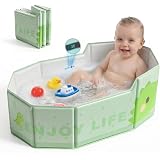
Two. Regular bathing is important. It helps to keep a baby clean. It removes dirt and sweat. It also contributes to skin health. The frequency of baths can vary. It often depends on the baby’s age. For newborns, sponge baths may be preferred initially. Full baths are introduced later. Warm water is usually preferred. Mild, tear-free cleansers are often recommended.
Three. Diaper changes must be done often. Wet and soiled diapers can cause irritation. They can also lead to rashes. Gentle cleansing is required during changes. A barrier cream can be applied. This helps to protect sensitive skin. The baby’s bottom is kept clean and dry. This reduces the risk of skin issues.
Four. Keep the baby’s environment clean. This includes their crib. It also involves toys and play areas. Regular cleaning of surfaces is important. This minimizes germ buildup. It creates a safer space for exploration. Babies often put things in their mouths. A clean environment reduces this risk.
Five. Nasal and oral hygiene is also considered. A soft, damp cloth can be used. It gently cleans a baby’s gums. This happens even before teeth appear. For nasal passages, a bulb syringe might be used. This clears congestion. It helps with easier breathing. These steps support overall respiratory health.
Understanding Natural Baby Products: Gentle Care for Sensitive Skin
The video briefly touches on natural ingredients. These are often sought after by parents. Natural products are usually perceived as safer. They are often gentler on a baby’s delicate skin. A baby’s skin barrier is still developing. It is thinner than adult skin. This makes it more permeable. It is also more susceptible to irritation. Therefore, the choice of products becomes critical.
Many parents prefer products free from harsh chemicals. Ingredients such as parabens are often avoided. Phthalates are also commonly excluded. Synthetic fragrances can also be irritating. Dyes are another common allergen. These substances might cause skin reactions. They could also have longer-term effects. A simpler ingredient list is often reassuring.
What makes an ingredient “natural”? It generally means derived from plants or minerals. These ingredients are often less processed. They aim to work in harmony with the skin. Examples of beneficial natural ingredients for babies include:
- Aloe Vera: It is known for its soothing properties. It can help calm irritated skin.
- Calendula: This flower extract is gentle. It is often used in creams for its anti-inflammatory effects.
- Shea Butter: It provides deep moisturization. It forms a protective barrier on the skin.
- Chamomile: It offers calming benefits. It is often found in bedtime bath products.
- Oatmeal: Colloidal oatmeal is well-regarded. It soothes dry, itchy skin conditions.
These ingredients are typically well-tolerated. They support the skin’s natural functions. When choosing natural baby products, look for certifications. These often confirm ingredient purity. They also ensure ethical sourcing. Transparency in labeling is a key indicator. It helps parents make informed choices. This contributes to better baby health and hygiene practices.
Choosing Effective Products: Beyond Just “Natural”
While “natural” is a great starting point, effectiveness is also crucial. Products must be safe. They also need to perform their intended function. For instance, a cleanser should clean thoroughly. It should not strip the skin’s natural oils. A moisturizer should hydrate well. It should also protect the skin barrier. Parents often look for products that offer a balance. They want both gentleness and efficacy.
Here are some considerations when selecting products for your little one:
Firstly, look for “hypoallergenic” labels. These products are formulated to minimize allergic reactions. This is important for sensitive baby skin. They often contain fewer common irritants.
Secondly, “dermatologist-tested” is a good sign. It indicates that the product has been reviewed. Skin specialists have often evaluated its safety. This adds another layer of assurance for parents.
Thirdly, fragrance-free options are preferred. Even natural fragrances can sometimes cause irritation. Unscented products reduce this risk. They are generally safer for infants.
Fourthly, consider the product’s pH balance. Products with a pH close to skin’s natural pH (around 5.5) are ideal. This helps to maintain the skin’s acid mantle. This mantle is a protective layer. It guards against bacteria and irritants.
Fifthly, observe your baby’s reaction. Every baby is unique. What works for one may not work for another. Introduce new products one at a time. Monitor for any signs of redness or discomfort. If irritation occurs, discontinue use. Consult with a pediatrician if concerns persist.
Building a Daily Routine for Optimal Baby Care
A consistent daily routine is comforting for babies. It also simplifies parental tasks. A well-structured routine ensures comprehensive care. It helps to cover all aspects of baby health and hygiene. From morning wake-up to bedtime, gentle care can be applied.
Morning routines often start with a gentle cleanse. A soft cloth and warm water are used. This refreshes the baby’s face. It also cleans their hands. Diaper changes are then followed. A fresh diaper is applied. This prepares them for the day. Applying a light, natural moisturizer is beneficial. It keeps the skin hydrated throughout the day.
Throughout the day, frequent diaper checks are vital. Quick changes prevent discomfort. They also prevent rashes. Spills and messes are inevitable. Gentle cleaning with baby wipes is often necessary. Choose wipes that are alcohol-free. They should also be fragrance-free. These are better for sensitive skin.
Evening routines often include bath time. This can be a relaxing experience. It helps to wind down for sleep. Use warm water and a mild baby wash. After the bath, pat the skin dry. Do not rub vigorously. Apply a soothing lotion or oil. This locks in moisture. It helps to calm the baby. A gentle massage can also be incorporated. This promotes bonding. It aids in relaxation before bedtime. This consistent care supports robust baby health and hygiene, contributing to peace of mind for parents and well-being for the baby.
नन्हे फ़रिश्ते की प्राकृतिक देखभाल: आपके सवाल, हमारे जवाब
Why is baby health and hygiene important?
A baby’s skin is incredibly delicate and their immune system is still developing, making them more susceptible to germs and irritation. Good hygiene helps protect them and supports their overall well-being.
What are some basic daily hygiene practices for a baby?
Essential daily practices include frequent handwashing for caregivers, regular bathing, often changing diapers, and keeping the baby’s surroundings clean, like their crib and toys.
Why do many parents choose natural baby products?
Parents often choose natural baby products because they are perceived as gentler on a baby’s delicate skin and typically avoid harsh chemicals, synthetic fragrances, and dyes that could cause irritation.
What should I look for when choosing baby care products?
When choosing products, look for labels like ‘hypoallergenic’ and ‘dermatologist-tested,’ and opt for fragrance-free options. Products with a pH balance close to the skin’s natural pH (around 5.5) are also ideal.
What does a basic daily routine for baby care involve?
A basic daily routine often starts with a gentle morning cleanse, includes frequent diaper changes throughout the day, and ends with a calming bath time in the evening, followed by moisturizing.