Navigating the vast world of baby products can feel overwhelmingly similar to the “wild, wild west,” as Mama Nurse Tina wisely points out in the video above. Expectant and new parents often face a deluge of marketing for countless gadgets and gear, all promising to be indispensable for their newborn. This immense pressure often leads to unnecessary purchases, clutter, and added financial strain during an already transformative period. However, identifying true newborn essentials from items that can comfortably wait is crucial for a smoother transition into parenthood.
Fortunately, simplifying your baby preparation is entirely possible with expert guidance. Focusing on a select list of essential baby items ensures you are fully prepared for your new arrival without overspending or feeling overwhelmed. This approach allows you to prioritize safety, comfort, and the immediate needs of both baby and parent in those precious early weeks.
The Essential Six: Core Baby Necessities Before Arrival
Bringing a new baby home marks an incredible new chapter, and having these six critical items ready significantly eases the journey. These newborn must-haves address fundamental needs for safety, transport, and basic care, providing a solid foundation for your first weeks together.
1. A Safe Sleep Environment for Your Newborn
Ensuring your baby has a secure place to sleep is paramount, as newborns spend a significant portion of their early days slumbering. The American Academy of Pediatrics (AAP) consistently recommends a firm, flat, non-inclined sleep surface to reduce the risk of Sudden Infant Death Syndrome (SIDS). This critical guideline means avoiding soft bedding, bumpers, and inclined sleepers, which can pose suffocation hazards.
You have several excellent options for a safe sleep setup. A bassinet offers a compact, bedside solution, perfect for keeping your baby close for nighttime feedings and comfort. Additionally, a pack ‘n play can serve as a versatile sleep space, provided its mattress is firm and lies completely flat. For a longer-term solution, a traditional crib meets all safety standards when equipped with a firm mattress and free from loose items. Each choice provides a dedicated, safe space, preventing unsafe sleep in car seats, swings, or adult beds.
2. The Crucial Car Seat: Safe Transport Home
A certified car seat is undeniably one of the most vital newborn essentials, primarily because it’s required to transport your baby home from the hospital or birthing center. Hospital staff will often check for a properly installed car seat before discharge, confirming its suitability and safety for your new arrival. Always ensure the car seat is rear-facing and secured with a five-point harness system, providing optimal protection for infants.
Many parents opt for an infant bucket seat, which detaches from its base and allows for easy transfer of a sleeping baby. Convertible car seats, designed to accommodate children from infancy through toddlerhood, are another excellent option, offering longevity and often certified for low-weight newborns. It is absolutely crucial to verify that your car seat is certified safe for use in your country and, importantly, that it has not expired. Car seats typically have an expiration date (often 6-10 years from the manufacture date) due to material degradation and evolving safety standards. For questions regarding installation or safety, consulting a certified Child Passenger Safety Technician (CPST) offers invaluable, expert guidance.
3. Diapers: A Non-Negotiable Necessity
Whether you choose disposable or cloth, diapers are a fundamental requirement from day one; newborns demonstrate impressive productivity in this area! The market for disposable diapers has expanded dramatically, now offering numerous brands, far more than the handful available a generation ago. This variety means that finding the perfect brand for your baby often involves a bit of trial and error, considering factors like fit, absorbency, and sensitivity.
Diaper sizing is also crucial, with options ranging from preemie to newborn and up to size seven. If you anticipate a smaller baby, stocking up on preemie and newborn sizes can be highly beneficial, as Mama Nurse Tina experienced with her 5-pound-15-ounce baby who used preemie diapers for several weeks. Conversely, for larger babies, newborn and size one might be more appropriate. Proper sizing is key to preventing leaks and blowouts, thereby reducing your laundry load. For those considering cloth diapering, while it represents an upfront investment, it offers environmental and long-term cost benefits, supported by a vast, knowledgeable community ready to assist new users.
4. Practical and Cozy Newborn Clothing
While the allure of tiny, adorable baby outfits is undeniable, practical clothing is what you truly need. Sleepers, particularly those with zippers or snaps for easy diaper changes, often become the go-to for many parents due to their sheer convenience. Babies spend most of their time sleeping, and their comfort in a simple sleeper outweighs the need for elaborate outfits, especially in the first few months.
Similar to diapers, having a small selection of clothes in various sizes is a smart strategy, considering a baby’s rapid growth and the uncertainty of their initial size. Stocking some preemie and newborn sizes, alongside a few 0-3 month options, prepares you for different scenarios. Companies like Carters are often cited for their good selection of preemie sleepers. Additionally, always consider the season and climate when your baby is due. A newborn arriving in summer will require different clothing weights than one born in winter, a foresight often overlooked during the nesting phase.
5. Safe Sleep Sacks or Swaddles
Maintaining a comfortable body temperature for your baby during sleep is essential. The general guideline is to dress your baby in one more layer than you would comfortably wear yourself. Since loose blankets in a crib are unsafe due to SIDS risk, a secure sleep sack or swaddle provides that crucial extra layer without hazard.
Sleep sacks, which function like wearable blankets, keep babies warm while allowing their arms and legs to move freely within a contained space. Swaddles, especially those with Velcro closures, offer a snug fit around the torso, mimicking the security of the womb, which can calm newborns and promote better sleep. However, it is vital to swaddle correctly: keep the top snug to prevent it from covering the baby’s face, but ensure the hips and legs have room to move naturally to prevent hip dysplasia. Products like the Halo SleepSack are popular choices among parents for their design and safety features, offering peace of mind for parents.
6. Nipple Care: Supporting Your Postpartum Journey
This essential item is for the breastfeeding parent, recognizing that your nipples play a critical role in your baby’s health and feeding journey. Proactive nipple care is not just about comfort; it is about preventing damage that can significantly derail breastfeeding efforts. Healthy, well-maintained nipples are central to successful milk supply and a comfortable feeding experience.
Two primary camps of nipple care stand out: prevention-focused silver nursing cups or soothing balms. Silverette cups, while a pricier initial investment, are highly effective at preventing damage and promoting healing through their antimicrobial properties. Alternatively, lanolin-based creams, such as pure Lanolin Lanolin, offer hypoallergenic relief and can be used for various skin ailments beyond nipple care. For those preferring lanolin-free options, Earth Mama Nipple Butter provides a delicious, plant-based alternative. Having one of these readily available, along with soothing gel pads for emergency relief from sore, cracked nipples, is a game-changer during those demanding early weeks.
What Can Wait: Smart Purchases for Later
Many items often marketed as “must-haves” are indeed useful, but not immediately necessary. Delaying these purchases can save money, reduce clutter, and allow you to assess your specific needs as your baby grows.
Strollers: A Future Convenience, Not an Immediate Must
While a stroller eventually becomes a beloved convenience, especially as your baby grows and you embark on longer outings, it is not an immediate necessity. For the initial weeks, carrying your baby in a car seat or using a baby carrier often suffices for short trips. Babywearing, in particular, offers the benefit of skin-to-skin contact and keeps your baby close. As your baby develops more head control and you desire more mobility, a stroller becomes a valuable addition. Consider putting it on a registry or planning to purchase one a few months after your baby’s arrival, allowing you to choose a model that truly fits your evolving lifestyle and needs.
Wipes: Water and Cloth Can Do the Job Initially
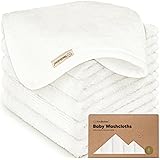
The idea of not needing wipes immediately might seem unconventional, but for newborns, warm water and soft cloths are often the gentlest and most effective cleaning method. Particularly before the umbilical cord stump falls off, using a peri bottle with warm water and a soft washcloth or even paper towels can meticulously clean your baby’s delicate skin without introducing unnecessary chemicals or fragrances found in many wipes. While wipes certainly become a convenient tool for diaper changes later on, especially when out and about, they are not strictly essential for those first few weeks at home. Delaying this purchase also allows you to explore sensitive skin options or even consider reusable cloth wipes.
Baby Bathtubs: Sponge Baths Reign Supreme for Newborns
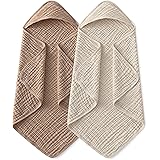
Initially, a baby bathtub is not required because newborns typically receive sponge baths until their umbilical cord stump has fully detached and healed. Keeping the umbilical cord area dry is crucial for proper healing. For these sponge baths, all you need is a soft towel or mat, warm water, and a gentle cloth. This method ensures your baby stays clean without submerging them, which could delay the cord’s detachment or cause irritation. Once the umbilical cord has fallen off, usually around 1-3 weeks, you can transition to a baby bathtub, which provides a safe and comfortable environment for full submersion baths.
Baby Soaps and Lotions: Less is More for Sensitive Skin
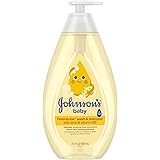
Newborn skin is incredibly delicate and sensitive, making it susceptible to dryness and irritation from harsh products. Consequently, baby soaps and lotions are not needed during the sponge bath phase. Even once your baby can enjoy a full bath, using soap sparingly—perhaps only two to three times a week—is recommended to prevent stripping the skin of its natural oils. Opting for fragrance-free and alcohol-free formulas is always wise when you do introduce them. Furthermore, baby product samples are often plentiful from registries or baby stores, making a large upfront purchase unnecessary. A single bottle of baby soap can last for many months, proving that less is indeed more in newborn skincare.
Nursing Pillows: Comfort Alternatives Are Readily Available
While many parents swear by nursing pillows for breastfeeding or bottle-feeding support, they are not an absolute necessity and can be a significant expense, often ranging from $40 to $60. Regular household pillows can effectively provide the necessary elevation and support for your baby, positioning them comfortably at breast height or for bottle feeding. The key is ensuring you maintain excellent posture to prevent strain on your back and shoulders, regardless of the type of pillow used. If a nursing pillow is on your wishlist, consider adding it to your baby registry, allowing a loved one to gift it. This flexibility allows you to prioritize other essential items first while still ensuring you have adequate support during feeding times.
Your Questions About Newborn Must-Haves (And What Can Wait!)
What are the absolute essential items I need for my newborn right away?
You’ll need a safe sleep environment, a certified car seat, diapers, practical newborn clothing, safe sleep sacks or swaddles, and nipple care products if you plan to breastfeed. These cover basic safety, transport, and care.
Where is the safest place for my newborn to sleep?
The safest place for your newborn to sleep is on a firm, flat, non-inclined surface, such as a bassinet, pack ‘n play, or crib. It should be free from soft bedding and loose items to reduce SIDS risk.
Why is a car seat one of the most important items for a newborn?
A certified car seat is crucial because hospitals require it to transport your baby home safely. It must be installed rear-facing with a five-point harness to properly protect your infant.
Are there baby items I don’t need to buy before my baby arrives?
Yes, many items can wait, such as strollers, baby bathtubs, baby soaps and lotions, and nursing pillows. You can often use household alternatives or wait to see what your specific needs are as your baby grows.