Choosing the right baby wipes is a critical decision for parents, especially when considering the delicate nature of a baby’s skin. As highlighted in the video by Dr. Mommy, a double board-certified pediatric dermatologist, certain ingredients should be avoided to protect sensitive skin from potential irritation or harm. This guide will expand upon these crucial considerations, helping parents make informed choices for their children’s daily care routines.
The primary objective for any baby wipe selection involves ensuring the product is soothing and gentle. Harsh chemicals, strong fragrances, and various common irritants are known to adversely affect a baby’s developing skin barrier. Understanding these problematic components is the first step toward safeguarding your infant’s comfort and health, preventing common skin issues like diaper rash or allergic reactions.
Understanding Harsh Chemicals to Avoid in Baby Wipes
The delicate skin of a baby is considerably thinner and more permeable than adult skin, making it more susceptible to absorption and irritation from environmental factors. Therefore, meticulous attention is often paid to the ingredients lists of baby care products, particularly baby wipes. Several common chemicals are typically recommended for avoidance by pediatric dermatologists due to their potential to cause harm.
A significant category of concern includes alcohols, which are frequently used as preservatives or solvents in various products. However, these substances can strip away natural oils from the skin, leading to excessive dryness and compromise of the skin barrier. Consequently, the skin becomes more vulnerable to irritation and infection, making alcohol-free options preferable for infants.
Heavy metals represent another group of contaminants that are occasionally found in personal care products, often as impurities from manufacturing processes. Such metals are certainly not suitable for prolonged contact with sensitive skin, as they are known to be irritants and can pose other health concerns. Therefore, reputable brands frequently test for and ensure the absence of these undesirable elements in their formulations, thereby protecting infant health.
Formaldehyde and phenols, historically used as preservatives, are widely recognized as strong irritants and potential allergens. Exposure to these compounds can lead to contact dermatitis, characterized by redness, itching, and discomfort on the skin. Although their use has decreased in many baby products, their presence is still possible in some formulations, necessitating careful label reading.
Furthermore, endocrine disruptors like parabens are a notable concern for many parents. These chemicals are typically utilized as preservatives to prevent bacterial growth in products; however, they have been linked to potential interference with the body’s hormonal system. The long-term effects of such exposure on developing infants remain a subject of ongoing research, though a cautious approach often involves selecting paraben-free alternatives.
Prioritizing Skin Health with Gentle Baby Wipes
When selecting baby wipes, the emphasis should always be placed on formulations designed to protect and nurture the skin barrier. Products that feature natural, plant-based ingredients are frequently favored for their inherent gentleness and reduced likelihood of causing irritation. Such wipes are often enriched with moisturizing elements that help maintain the skin’s natural hydration.
A key consideration for many parents is the presence of fragrances in baby wipes. Artificial fragrances, while often appealing to adults, are common culprits for skin irritation and allergic reactions in infants. Opting for fragrance-free or unscented wipes is consistently recommended by dermatologists to minimize the risk of adverse skin responses, ensuring a purer and safer product.
Moreover, the texture and material of the wipe itself play an important role in overall skin comfort. Soft, thick wipes are preferred as they allow for effective cleaning without requiring excessive rubbing, which can irritate delicate skin. Wipes made from natural fibers, as opposed to synthetic materials, are often perceived as gentler and more environmentally friendly, aligning with holistic care approaches.
The pH balance of baby wipes is another important aspect, although it is not always prominently displayed on product packaging. Ideally, baby wipes should have a pH that is close to the natural pH of a baby’s skin, which is slightly acidic. This helps to support the skin’s acid mantle, an important protective layer, against external aggressors and the growth of harmful bacteria.
Considering the widespread use of baby wipes from birth through toddlerhood, their cumulative impact on skin health cannot be understated. Therefore, a conscientious approach to selection involves not only avoiding harmful ingredients but also actively seeking out products that support and enhance the skin’s natural protective functions. These choices contribute significantly to a baby’s overall well-being and comfort during critical developmental stages.
Top Recommendations for Gentle and Effective Baby Wipes
The advice from a pediatric dermatologist provides invaluable guidance for parents navigating the vast array of baby wipe options available. Focusing on products that prioritize skin health and environmental considerations can simplify the selection process significantly. Several brands consistently receive high marks for their commitment to gentle formulations and thoughtful design.
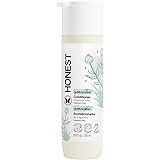
Among the top recommendations, Honest plant-based baby wipes are frequently cited for their commitment to using naturally derived materials. These wipes are known for being free from many common allergens and irritants, providing a gentle cleaning experience. The plant-based composition ensures a soft touch against delicate skin, making them a popular choice for daily use.
Rascals baby wipes are another brand that has gained recognition for its focus on ingredient safety and environmental responsibility. These wipes are often formulated without harsh chemicals, catering to parents who are keen on minimalist and safe product profiles. Their robust design typically allows for effective cleaning while remaining gentle on the skin.
Seventh Generation baby wipes are widely appreciated for their eco-conscious approach, often utilizing plant-based ingredients and sustainable practices. This brand is committed to creating products that are both effective for cleaning and kind to the environment. The wipes are usually fragrance-free and hypoallergenic, addressing the needs of even the most sensitive skin types.
WaterWipes, specifically their original baby wipes, are frequently recommended for their incredibly simple formulation. These wipes contain only two ingredients: 99.9% water and a drop of fruit extract. This minimalist composition makes them exceptionally suitable for newborns and babies with extremely sensitive skin or those prone to eczema and other skin conditions, minimizing any potential for irritation.
Finally, Mustela’s Baby Cleansing Wipes stand out as a top pick for their innovative design and skin-friendly properties. These wipes are crafted from plant fibers, addressing concerns regarding plastic content in traditional wipes. Such materials are not only gentle on a baby’s skin but also offer the significant advantage of degrading in less than six months, presenting a more environmentally responsible option.
Beyond the Diaper Area: Versatile Uses for Safe Baby Wipes
While baby wipes are predominantly associated with diaper changes, their utility extends far beyond the confines of the nursery. The gentle formulations recommended by pediatric dermatologists make these wipes versatile tools for various cleaning tasks involving a baby’s delicate skin. Understanding these broader applications can further enhance the value of choosing high-quality, safe wipes.
For instance, these wipes are ideal for cleaning a baby’s face and hands throughout the day, particularly after mealtimes or outdoor play. The absence of harsh chemicals means they can be used safely around the mouth and eyes without causing irritation. This makes them an indispensable item for quick clean-ups when soap and water are not readily available, maintaining hygiene effortlessly.
Similarly, when traveling, baby wipes become an essential item for maintaining cleanliness and freshness. They can be used to wipe down surfaces, refresh sticky hands, or even provide a quick full-body wipe when bathing facilities are inconvenient. Their portable nature ensures that a hygienic solution is always at hand, supporting parents on the go.
The gentle nature of these recommended baby wipes means they are not just for babies; they can also be safely used by other family members with sensitive skin. For instance, children who are prone to skin sensitivities might find these wipes less irritating than conventional wet wipes for personal hygiene. This makes them a practical choice for the entire household, simplifying shopping decisions.
Furthermore, in situations where water is scarce or inaccessible, such as during camping trips or power outages, these gentle baby wipes can serve as an effective alternative for basic cleansing. Their ability to clean well across various body parts without leaving irritating residues underscores their superior design. Therefore, investing in high-quality baby wipes extends well beyond simple diaper duty, providing multifaceted benefits for family health.
Wipe Away Your Worries: Dr. Mommy’s Pediatric Dermatology Q&A
Why is choosing the right baby wipes important?
It’s important because a baby’s skin is very delicate and thinner than adult skin, making it more prone to irritation and absorption of harsh chemicals. Using the right wipes helps protect their skin from issues like diaper rash or allergic reactions.
What ingredients should I avoid in baby wipes?
You should try to avoid ingredients like alcohols, heavy metals, formaldehyde, phenols, and parabens. These can strip natural oils, irritate the skin, or potentially pose other health concerns for your baby.
What should I look for in a gentle baby wipe?
Look for wipes made with natural, plant-based ingredients and choose options that are fragrance-free. Wipes that are soft, thick, and have a pH close to a baby’s natural skin pH are also preferable.
Can you recommend some gentle baby wipe brands?
Some top recommended brands include Honest, Rascals, Seventh Generation, WaterWipes (known for its simple water and fruit extract formula), and Mustela. These brands prioritize gentle, safe, and often plant-based formulations.
Are baby wipes only for diaper changes?
No, baby wipes are very versatile! They can be used for quick clean-ups on a baby’s face and hands, wiping down surfaces while traveling, or even for basic cleansing when soap and water aren’t readily available.