Navigating the specialized lexicon surrounding infant care can present a considerable challenge for English language learners and new parents alike. As demonstrated in the accompanying video, correctly identifying common baby-related English terms like “pacifier,” “wipes,” and “bib” is fundamental for effective communication in childcare settings. This comprehensive guide expands upon those foundational terms, offering detailed insights into essential baby care vocabulary, designed to bolster your linguistic proficiency and practical understanding of nursery essentials.
Mastering this specific terminology is not merely about word recognition; it involves comprehending the item’s function, its variations, and its role within established childcare protocols. This resource aims to provide a robust framework for understanding these critical baby-related English terms, ensuring you possess the precision required for both everyday conversations and more technical discussions surrounding infant well-being.
Understanding Essential Baby Care Vocabulary: Soothing and Comfort
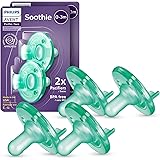
The pacifier, a central item highlighted in the video, serves as a primary soothing mechanism for infants. Often referred to colloquially as a “dummy” in British English or a “soother” in other regions, this device is designed to satisfy an infant’s non-nutritive sucking reflex. Modern pacifiers typically feature orthodontic designs, promoting healthy oral development while providing comfort and reducing distress in newborns.
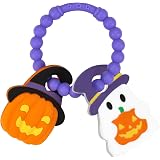
Complementing the pacifier, a teether is another indispensable comfort item for infants experiencing the discomfort of emerging dentition. These specialized devices, crafted from safe, durable materials like silicone or natural rubber, are designed for babies to chew on, providing counter-pressure to alleviate gum soreness. Understanding the distinct roles of pacifiers for general soothing and teethers for specific dental discomfort is crucial for comprehensive baby care terminology.
Navigating Baby Hygiene and Health Monitoring Essentials
1. Wipes and Diapers: Core Hygiene Products
Firstly, the ubiquitous “wipes” are fundamental to maintaining infant hygiene, particularly during diaper changes. These moist towelettes are meticulously formulated, often with gentle, hypoallergenic ingredients, to cleanse delicate skin without causing irritation. Specialized variations exist, including fragrance-free options and those designed for sensitive skin, reflecting diverse infant needs and dermatological considerations.
Secondly, the “diaper” (or “nappy” in British English) represents the cornerstone of infant waste management, preventing soiling and promoting skin health. Modern disposable diapers integrate advanced absorbency technologies, featuring super-absorbent polymers that lock away moisture, minimizing skin contact and reducing the incidence of diaper rash. Reusable cloth diapers, alternatively, offer an eco-conscious choice, requiring specific washing regimens and featuring intricate fastening systems for secure wear.
2. The Thermometer: A Critical Health Tool
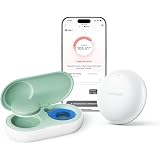
The “thermometer,” accurately identified in the video, is an indispensable instrument for monitoring an infant’s core body temperature, providing vital data for health assessments. Pediatric thermometers come in several sophisticated types, including digital rectal thermometers for precise readings in newborns, temporal artery thermometers for forehead scans, and tympanic thermometers for ear measurements. Accurate temperature monitoring is paramount for early detection of febrile states, necessitating a clear understanding of device operation and normal ranges.
Proper utilization of a thermometer requires adherence to specific protocols, ensuring both accuracy and infant comfort. Familiarity with the various measurement sites and their respective advantages or limitations is essential for caregivers. This foundational medical terminology is critical for any individual involved in infant care, facilitating precise communication with healthcare professionals regarding a baby’s physiological status.
Decoding Baby Apparel and Feeding Accessories
1. Bibs: Protecting Garments from Spills
A “bib,” as shown, is a practical garment worn around an infant’s neck, primarily designed to protect clothing from food spills, drool, and reflux. These accessories are fabricated from a diverse range of materials, including absorbent cotton for everyday use and waterproof silicone for messy feeding sessions. Bibs feature various fastening mechanisms, such as Velcro, snaps, or ties, ensuring a secure yet comfortable fit for infants of all ages.
Specialized bib designs cater to different stages of infant development; bandana bibs effectively manage drooling during teething, while larger, full-coverage feeding bibs are indispensable for introducing solids. Selecting the appropriate bib type significantly reduces laundry burdens and helps maintain a hygienic feeding environment. Proficiency with this vocabulary facilitates efficient management of infant mealtimes.
2. Onesies and Comprehensive Baby Apparel
The “onesie,” a staple of any infant’s wardrobe, is a single-piece garment that typically fastens with snaps at the crotch, simplifying diaper changes and ensuring the garment remains tucked in. These versatile pieces, also known as “bodysuits” or “growsuits” depending on regional variations and specific features, are crafted from soft, breathable fabrics like organic cotton to ensure maximum comfort for delicate infant skin. Onesies are foundational for thermoregulation, providing a layer that adapts to various environmental temperatures.
Beyond the onesie, a comprehensive understanding of baby apparel includes terms such as “sleepers” (footed pajamas for warmth), “rompers” (one-piece outfits for play), and “baby gowns” (easy-access sleepwear for newborns). Each apparel item serves a specific functional purpose, from facilitating nighttime changes to providing seasonal comfort. Acquiring this extensive vocabulary enhances a caregiver’s ability to select and describe appropriate clothing for infants in diverse situations.
Expanding Your Baby-Related English Terms Repertoire
To further enrich your vocabulary beyond these foundational items, consider incorporating additional essential baby-related English terms crucial for comprehensive infant care. These include “baby bottle” for feeding, “formula” as an alternative to breast milk, and “breast pump” for expressing milk. Other vital nursery accessories encompass the “crib” or “cot” for sleeping, the “stroller” or “pram” for transport, and the “car seat” for vehicle safety.
Moreover, terms like “changing table” for diaper changes, “burp cloth” for post-feeding messes, and “baby monitor” for remote supervision are indispensable. Developing a fluent command of these specialized baby-related English terms empowers individuals to confidently discuss, select, and utilize the full spectrum of products and practices essential for infant well-being. This expanded vocabulary facilitates seamless interaction in any childcare context, enhancing both safety and efficiency.
Mastering Baby English: Your Questions Answered
What is a pacifier?
A pacifier is a device for babies to suck on, designed to satisfy their natural sucking reflex and provide comfort. It is also sometimes called a “dummy” or “soother.”
What are baby wipes used for?
Baby wipes are moist cloths used to clean a baby’s delicate skin, especially during diaper changes. They are often made with gentle, hypoallergenic ingredients to prevent irritation.
What is a bib?
A bib is a piece of cloth or material worn around a baby’s neck to protect their clothes from food spills, drool, and reflux. They come in various materials and fastening types.
What is a onesie?
A onesie is a common one-piece baby garment that fastens at the crotch with snaps, making diaper changes easier. It helps keep the baby comfortable and their outfit tucked in.
Why is a thermometer important for a baby?
A thermometer is a crucial tool used to measure a baby’s body temperature. It helps caregivers monitor the baby’s health and detect if they have a fever.