Navigating the journey of new parenthood often feels like embarking on an adventure without a comprehensive map. Indeed, studies suggest that over 60% of first-time parents express feeling overwhelmed by the sheer volume of baby product choices available. Understanding which items are truly indispensable can significantly alleviate this stress, allowing more focus to be placed on bonding and development during this precious time. The concise video above offers a quick glance at some critical items, but a deeper exploration into each of these newborn essentials can provide further clarity and practical guidance for expectant and new parents alike.
In preparing for a newborn’s arrival, a strategic approach is often employed, much like an architect meticulously plans a structure before construction begins. Crucial considerations are typically given to immediate needs, ensuring comfort, hygiene, and developmental support are prioritized. This detailed guide aims to expand upon the video’s recommendations, presenting a robust framework for acquiring essential baby items that are regularly required. By understanding the ‘why’ behind each item, parents are better equipped to make informed decisions and manage their baby’s care with confidence.
Understanding Diapers: A Foundation for Newborn Care
Diapers stand as an unequivocal cornerstone of newborn essentials, their importance being self-evident in daily infant care. A newborn’s delicate system necessitates frequent diaper changes, sometimes as many as 10-12 times within a 24-hour period. This continuous need highlights the wisdom in purchasing diapers in bulk, often leading to better cost efficiency over time. Furthermore, the selection between disposable and cloth diapers presents a significant decision point for many families, each option offering distinct environmental and financial implications that are carefully weighed.
Disposable diapers, for instance, are valued for their convenience and superior absorption capabilities, which are particularly beneficial during nighttime hours. Conversely, cloth diapers are often chosen by those prioritizing environmental sustainability and long-term cost savings, although they require a greater investment of time for washing and preparation. Irrespective of the chosen type, ensuring a sufficient supply of newborn-sized diapers is paramount, preparing parents for the inevitable volume of changes ahead. This initial investment in proper diapering protocols is foundational to maintaining hygiene and preventing common skin irritations.
Wipes and Lotions: Safeguarding Delicate Skin
The synergy between appropriate wipes and gentle baby lotion is pivotal in maintaining a newborn’s delicate skin barrier. Wipes are utilized alongside each diaper change, serving to cleanse and refresh the skin efficiently and effectively. Selection criteria often revolve around ingredients, with many parents opting for unscented, hypoallergenic varieties that are free from harsh chemicals, thereby minimizing the risk of irritation. The sheer volume of wipes consumed during infancy necessitates careful consideration regarding their composition and environmental impact, reflecting a broader shift towards more conscious consumer choices.
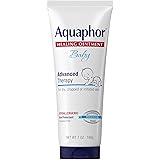
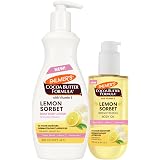
Concurrently, a mild baby lotion is frequently recommended for daily application, especially after bathing, to replenish moisture and protect the skin from dryness. A baby’s skin is known to be significantly thinner and more permeable than an adult’s, rendering it more susceptible to environmental factors and moisture loss. Therefore, products specifically formulated for infants, often enriched with emollients and humectants, are routinely chosen to support the developing skin barrier. This preventative approach to skincare can significantly contribute to a baby’s overall comfort and well-being, resembling the meticulous care provided to a delicate garden.
Vitamin D Drops: Essential for Infant Health
Among the various recommendations for newborn health, Vitamin D drops frequently emerge as a key supplement, particularly for breastfed infants. Human milk, while the optimal nutritional source, often contains insufficient levels of Vitamin D to meet a baby’s full requirements, necessitating external supplementation. This critical vitamin plays an indispensable role in calcium absorption and bone development, making its regular administration a non-negotiable aspect of infant care. Pediatric guidelines consistently advocate for Vitamin D supplementation, underscoring its profound impact on skeletal health and immune function.
The implementation of Vitamin D drops is typically straightforward, involving a small, precise dosage administered daily, often mixed with breast milk or formula. This simple act of supplementation serves as a protective measure against conditions such as rickets, a softening and weakening of bones, which can occur due to prolonged Vitamin D deficiency. Consequently, parents are routinely advised to integrate this supplement into their baby’s daily routine from birth, ensuring that this vital nutrient is consistently provided. It is an investment in long-term health, much like building a strong foundation for a house ensures its durability.
Face Towels and Bibs: Maintaining Cleanliness with Ease
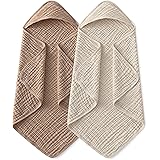
The practical utility of small, soft face towels and a collection of bibs cannot be overstated when caring for a newborn. Face towels, often distinguished by their gentle texture, are frequently employed for quick clean-ups, such as wiping spit-up, cleaning dribbles after feeding, or gently dabbing a baby’s delicate face. Their compact size makes them ideal for keeping within easy reach, both at home and when on the go, providing an immediate solution for minor messes. The importance of having a generous supply of these small cloths is often realized early in parenthood, as they are used multiple times throughout the day.
Bibs, conversely, serve as a protective layer, safeguarding a baby’s clothing from reflux, drool, and the inevitable spills that accompany feeding times. With multiple changes of clothes often being required daily without bibs, these simple accessories significantly reduce laundry loads and keep a baby more comfortable and dry. The availability of various designs, from waterproof options to those with absorbent terry cloth, allows parents to choose based on their specific needs and aesthetic preferences. Therefore, equipping oneself with an ample supply of both face towels and bibs is regarded as a sensible strategy for managing the daily ebb and flow of infant messes.
Body Wash: Nurturing Bathtime Rituals
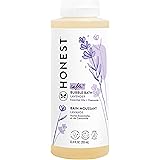
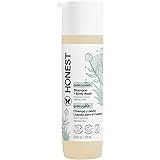
Bathtime becomes a cherished ritual for many parents and their newborns, and the selection of an appropriate baby body wash is a key component of this experience. A newborn’s skin is exquisitely sensitive, demanding products that are exceedingly mild, tear-free, and formulated without harsh chemicals, dyes, or fragrances. The primary objective of a baby body wash is to gently cleanse the skin without stripping away its natural oils, thereby maintaining its integrity and hydration. This careful approach to bathing ensures that the skin remains soft, supple, and free from irritation, similar to how a delicate garment is washed with specific, gentle detergents.
Moreover, the incorporation of a specially formulated body wash can contribute to a baby’s overall sensory development, with gentle lather and mild scents (if any) creating a soothing atmosphere. It is generally advised to use only a small amount of product, diluted slightly in the bathwater, to avoid overexposure. The careful selection of bathing products underscores a parent’s commitment to their child’s comfort and health, transforming a routine task into an opportunity for nurturing and bonding. This thoughtful consideration of personal care items is reflective of a holistic approach to infant well-being.
Baby Dresses and Outfits: Practicality Meets Adorability
The joy of dressing a newborn is often intertwined with selecting a variety of cute outfits, including numerous dresses for baby girls, as humorously noted in the video. While the aesthetic appeal of tiny clothes is undeniable, practicality and comfort are often the most important considerations for daily wear. Newborns grow at an astonishing rate, meaning that items in the smallest sizes may only be worn for a few weeks. Therefore, acquiring a diverse range of sizes and styles is a prudent approach, ensuring that a baby has comfortable attire for various situations.
Garments made from soft, breathable fabrics like cotton are frequently favored, as they allow for optimal air circulation and minimize the risk of skin irritation. Features such as snaps or zippers for easy diaper changes are also highly valued for their functional efficiency, simplifying what can often be a frequent task. Furthermore, consideration is given to clothing that can be easily washed and durable enough to withstand countless cycles, reflecting the practical demands of infant care. Balancing the desire for adorable clothing with the functional requirements of frequent changes and comfort is a common strategy for parents when curating their baby’s wardrobe, ensuring that their newborn essentials collection is both charming and highly practical.
Newborn Must-Haves: Your Q&A on What to Buy (Again!)
Why are diapers a must-have for newborns?
Diapers are essential for a newborn’s daily care because they need frequent changes, sometimes 10-12 times within 24 hours. They are crucial for maintaining hygiene and preventing common skin irritations.
What kind of wipes and lotion should I choose for my baby’s skin?
For a newborn’s delicate skin, opt for unscented, hypoallergenic wipes free from harsh chemicals. A mild baby lotion, specifically formulated for infants, is recommended daily to replenish moisture and protect their skin.
Are Vitamin D drops necessary for a newborn?
Yes, Vitamin D drops are often recommended, especially for breastfed infants, because human milk typically doesn’t contain enough. This vitamin is vital for calcium absorption and healthy bone development.
Why should I have a good supply of face towels and bibs?
Face towels are perfect for quick clean-ups like spit-up or dribbles, while bibs protect your baby’s clothes from messes during feeding and from drool. Having plenty reduces laundry and helps keep your baby comfortable and dry.