A staggering 80% of newborn babies are reported to experience some form of skin dryness or sensitivity in their first few months, underscoring the critical need for a well-thought-out baby skincare routine. As seen in the video above, a simple yet effective three-step approach can significantly contribute to maintaining your baby’s soft, smooth, and healthy skin. This structured routine is not merely about cleansing; it is deeply rooted in protecting the delicate infant skin barrier from environmental stressors and ensuring optimal hydration. The journey to a glowing, healthy complexion for your little one begins with understanding these fundamental steps and selecting appropriate products.
Establishing a Gentle Baby Skincare Routine: The Foundational Steps
The skin of a newborn is remarkably different from adult skin. It is thinner, more permeable, and has a less developed protective barrier, making it more susceptible to irritation and moisture loss. Therefore, a specialized approach is mandated for infant care. The recommended three-step baby skincare routine is designed to address these unique characteristics, promoting both cleanliness and the integrity of the skin’s natural defenses.
Step 1: The Nourishing Power of Oil Massage for Infant Skin
The first crucial component of an effective baby skincare routine involves a soothing oil massage. This practice is not only a wonderful way to bond with your baby but also plays a vital role in enhancing skin health. Daily application of oils, such as coconut oil or almond oil, is instrumental in maintaining the skin’s hydration levels. These natural oils are known for their emollient properties, which help to lock in moisture and protect the skin barrier.
Furthermore, the gentle act of massaging stimulates blood circulation, which contributes to a healthy skin glow. It is advised that the massage be performed for a sufficient duration to allow the skin to absorb the beneficial nutrients from the oil. Following the massage, a period of approximately 10 to 20 minutes is recommended before proceeding to the next step. This allows adequate time for the oils to penetrate the skin’s surface, maximizing their hydrating and protective effects.
The choice of oil is also paramount. Virgin coconut oil is often favored for its antimicrobial properties and ability to soothe irritated skin. Almond oil, rich in Vitamin E, is another excellent option known for its moisturizing capabilities. Regardless of the oil chosen, ensuring it is pure, cold-pressed, and free from artificial fragrances or harsh chemicals is a critical consideration for infant skin. The regular incorporation of a nurturing oil massage into your baby’s day can set the foundation for resilient and well-hydrated skin.
Step 2: Thoughtful Bathing for Sensitive Baby Skin
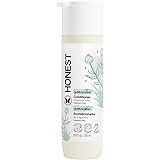
Following the oil massage, a gentle bath is administered, forming the second step in the baby skincare regimen. The primary objective during bathing is not just to cleanse the skin but also to ensure that the natural oil layer, which serves as a protective barrier, is retained. Products selected for bathing babies must be carefully considered due to their sensitive skin.
It is widely emphasized that any product used for cleaning, whether it be a soap or a body wash, must be specifically formulated for infants. Such products are typically labeled as “baby-friendly” and are characterized by a balanced pH level. Specifically, a pH of 5.5 is often recommended, as this matches the natural acidity of healthy infant skin. Using products with an inappropriate pH can disrupt the skin’s acid mantle, leading to dryness, irritation, and potential damage to the delicate skin barrier.
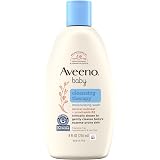
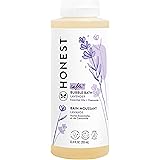
For babies with extremely sensitive skin, a mild body wash is often preferred over traditional soaps, as body washes are generally less stripping and contain more moisturizing agents. The bathing process should be brief, utilizing lukewarm water, to prevent excessive drying of the skin. Proper rinsing is also essential to remove any product residue that could potentially irritate the skin. This careful approach to bathing is integral to maintaining the integrity and health of newborn skin.
Step 3: Prompt Moisturizing to Seal in Hydration
The final and equally important step in this comprehensive baby skincare routine is the application of a moisturizer immediately after bathing. This step is critical because wet skin is most receptive to hydration. The video highlights the importance of applying moisturizer within three to five minutes of drying the baby’s skin after a bath. This short window is crucial for locking in the residual moisture from the bath.
When moisturizer is applied to damp skin, it creates an occlusive barrier that prevents transepidermal water loss. This action significantly improves the skin’s hydration, leading to a visibly glowing and healthy appearance. The moisturizer effectively seals in the moisture, ensuring that the baby’s skin remains soft, supple, and well-hydrated throughout the day. Neglecting this step can lead to rapid evaporation of water from the skin, resulting in dryness and discomfort for the baby.
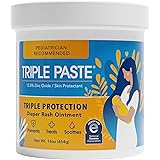
Similar to bath products, the choice of moisturizer must be “baby-friendly,” dermatologically tested, and free from harsh chemicals, fragrances, and dyes. A pediatrician-recommended moisturizer is often considered the safest choice. The consistent application of a suitable moisturizer ensures that the skin’s barrier function is supported, thereby protecting it from environmental irritants and maintaining its natural softness. This continuous hydration is key to preventing common infant skin issues such as eczema and general dryness.
Choosing the Right Products for Optimal Baby Skin Health
Across all three steps of the baby skincare routine—oil massage, bathing, and moisturizing—the selection of appropriate products cannot be overstated. Each product that comes into contact with a baby’s skin must meet specific criteria to ensure safety and effectiveness. It is widely advised that all skincare products for infants be “baby-friendly,” meaning they are formulated specifically for delicate skin types.
Furthermore, products should be dermatologically tested to confirm they are non-irritating and hypoallergenic. A critical characteristic to look for is a pH level of 5.5, which is recognized as beneficial for maintaining the skin’s natural acid mantle. This specific pH helps to protect against harmful bacteria and environmental factors. Products recommended by doctors or pediatricians also carry an additional layer of assurance, as they have been vetted by medical professionals.
It is essential to avoid products containing harsh chemicals, synthetic fragrances, parabens, phthalates, and other potentially irritating ingredients. Reading product labels carefully and understanding the ingredient list is a proactive measure parents can take. Investing in high-quality, gentle products ensures that the baby skincare routine supports rather than compromises the health and natural resilience of your child’s skin.
Dr. Sagul’s Gentle Answers: Your Newborn Skin Care Rituals Q&A
Why is a special skincare routine important for newborn babies?
Newborn skin is much thinner and more delicate than adult skin, making it more susceptible to irritation and moisture loss. A specialized routine helps protect its natural barrier and maintain hydration.
What are the three main steps in a baby skincare routine?
The routine involves a nourishing oil massage as the first step, followed by a thoughtful bath, and finally, prompt moisturizing to seal in hydration.
What kind of oil should I use for massaging my baby?
You should use pure, cold-pressed natural oils like virgin coconut oil or almond oil. Ensure the oil is free from artificial fragrances or harsh chemicals.
What should I look for when choosing bath products for my baby?
Always choose products labeled as ‘baby-friendly’ and specifically formulated for infants. Look for products with a pH of 5.5, which matches the natural acidity of healthy baby skin.
How soon after bathing should I moisturize my baby’s skin?
It’s crucial to apply moisturizer within three to five minutes of drying your baby after a bath. This helps to lock in the residual moisture and keep their skin soft and hydrated.