Imagine the joy of holding your newborn, marveling at every tiny detail. Then, one day, you notice it: those yellowish, greasy, or scaly patches on their delicate scalp. This common condition, often called cradle cap, can sometimes cause a moment of concern for new parents. While it might look a bit daunting, as you might have seen in the video above demonstrating a gentle approach to baby cradle cap cleaning, it’s usually harmless and quite manageable.
This comprehensive guide will help demystify cradle cap, providing you with practical knowledge and a step-by-step approach to keep your baby’s scalp healthy and clean. We’ll dive deeper into understanding what cradle cap is, why it occurs, and how to safely and effectively address it, much like the careful brushing technique shown in the accompanying video.
Understanding Baby Cradle Cap: More Than Just Dry Skin
Cradle cap, medically known as infantile seborrheic dermatitis, is a very common and benign skin condition that affects many infants within their first few months of life. It typically appears as patchy, greasy, or scaly skin, often accompanied by crusts on the scalp. While it can sometimes appear on other parts of the body, such as the eyelids, ears, or even the groin, the scalp is the most frequent location.
Despite its appearance, cradle cap is not a sign of poor hygiene or an allergic reaction. It’s simply a result of overactive sebaceous glands, which produce oil, and can be exacerbated by a type of yeast called Malassezia. This condition is generally not itchy or painful for the baby, though severe cases might cause some mild irritation.
What Causes Cradle Cap in Infants?
The exact cause of cradle cap isn’t fully understood, but it’s believed to be linked to several factors. One primary factor is the presence of maternal hormones that remain in the baby’s system after birth. These hormones can stimulate the baby’s oil glands, particularly those on the scalp, to produce excess sebum.
This overproduction of oil creates a fertile environment for the Malassezia yeast, a type of fungus that naturally lives on human skin, to thrive. While Malassezia is normally harmless, its overgrowth can contribute to the flakiness and scaling characteristic of cradle cap. It’s important to remember that this is a very common and normal part of infant development, not a sign of any serious underlying health issue.
Essential Tools for Effective Cradle Cap Cleaning
Before you begin the baby cradle cap cleaning process, gathering the right tools is crucial. Opting for gentle, baby-specific products will ensure your infant’s delicate skin and scalp are well cared for. Having everything ready beforehand makes the process smoother and less stressful for both you and your little one.
- Mild Baby Oil or Petroleum Jelly: These products are excellent for softening the scales without irritating the skin. Natural oils like almond oil or olive oil can also be used, but always do a patch test first.
- Soft-bristled Baby Brush or Fine-toothed Comb: As demonstrated in the video, a very soft brush or a special cradle cap comb is vital for gently lifting the softened flakes from the scalp. Avoid using adult brushes or anything with stiff bristles.
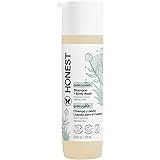
- Gentle Baby Shampoo: Choose a tear-free formula specifically designed for infants. Look for products that are free from harsh chemicals, fragrances, and dyes to minimize irritation.
- Soft Washcloth or Sponge: Useful for applying shampoo and rinsing the scalp.
- Warm Water: Essential for a comfortable bath and rinsing.
A Step-by-Step Guide to Gentle Baby Cradle Cap Cleaning
Addressing cradle cap requires a gentle, consistent approach. Remember, the goal is to loosen and remove the scales without irritating your baby’s sensitive scalp. Here’s a detailed guide to effective baby cradle cap cleaning:
Step 1: Soften the Scales with Oil
Begin by applying a small amount of baby oil, petroleum jelly, or a natural oil directly to the affected areas of your baby’s scalp. Imagine you are gently massaging a tiny amount into the flaky patches; you don’t need to saturate the hair. The purpose here is to soften the crusts and make them easier to remove. Allow the oil to sit on the scalp for at least 15-20 minutes. For stubborn cases, you might even apply it before bedtime and leave it overnight, placing a soft cap on your baby’s head to protect bedding.
Step 2: Gently Loosen the Flakes
After the oil has had time to work its magic, it’s time to gently loosen the scales. This is where a soft-bristled baby brush or a fine-toothed comb comes in, much like the tool you observed in the video. Imagine the tiny, delicate strokes needed to dislodge the flakes without scrubbing or scratching the skin. Brush or comb your baby’s scalp very gently in circular motions, or against the direction of hair growth, to help lift the softened flakes. Be patient and take your time; force is unnecessary and can cause irritation.
Step 3: Wash the Scalp with Baby Shampoo
Once the flakes are sufficiently loosened, it’s crucial to wash them away. Use a mild, tear-free baby shampoo, lathering it gently onto your baby’s scalp. Imagine a soothing bath time, carefully cleansing the scalp to remove both the oil and the loosened scales. Be sure to rinse thoroughly with warm water, ensuring no shampoo residue is left behind, as this can irritate the skin. You might need to rinse several times to ensure all traces of oil and shampoo are gone.
Step 4: Rinse and Repeat (If Necessary)
After shampooing, gently towel dry your baby’s head. You might notice an immediate improvement, with fewer visible flakes. If some scales remain, you can repeat this process during the next bath. It’s generally recommended to perform this ritual every few days, rather than daily, to avoid drying out your baby’s scalp. Consistency over intensity is key for successful cradle cap management.
Preventing Cradle Cap Recurrence
Once you’ve successfully cleared up your baby’s cradle cap, you’ll naturally want to prevent it from returning. Regular, gentle scalp care can play a significant role in maintaining a healthy infant scalp. Imagine integrating these simple steps into your baby’s regular hygiene routine to keep their scalp clear and comfortable.
Continue to wash your baby’s hair a few times a week with a mild baby shampoo. This helps to keep the oil glands from becoming overly active and prevents the buildup of dead skin cells. After shampooing, gently brush your baby’s scalp with a soft brush to remove any lingering dry skin or minor flakes that might be starting to form. This regular brushing helps to promote healthy circulation and keeps the scalp clear.
When to Consult Your Pediatrician
While cradle cap is typically harmless and easily managed at home, there are instances when it’s wise to seek professional medical advice. Your pediatrician can offer guidance and potentially prescribe stronger treatments if needed. Imagine a scenario where the cradle cap isn’t improving with home remedies, or if it starts to look concerning.
You should contact your pediatrician if the cradle cap spreads beyond the scalp to other areas of the body, such as the face or diaper area, or if it appears to be inflamed, red, or starts oozing. If your baby seems uncomfortable, itchy, or develops a rash that looks infected, these are also signs that a doctor’s visit is in order. In rare cases, a doctor might prescribe a medicated shampoo or cream to help clear up persistent or severe infantile seborrheic dermatitis, ensuring your little one’s scalp remains healthy and free from troublesome scales. Timely consultation can address any underlying issues and ensure proper baby cradle cap cleaning solutions are applied.
Cracking the Cradle Cap Code: Your Questions Answered
What is cradle cap?
Cradle cap is a very common skin condition in infants, appearing as patchy, greasy, or scaly crusts, most often on their delicate scalp. It’s also known as infantile seborrheic dermatitis.
What causes cradle cap in babies?
Cradle cap is thought to be caused by overactive oil glands in the baby’s scalp, stimulated by maternal hormones that remain after birth. This can also lead to an overgrowth of a natural skin yeast.
Is cradle cap a sign of poor hygiene?
No, cradle cap is not a sign of poor hygiene or an allergic reaction. It’s a very common and harmless part of infant development, and usually isn’t itchy or painful for the baby.
What essential items do I need to clean cradle cap?
You’ll need a mild baby oil or petroleum jelly to soften the scales, a soft-bristled baby brush or fine-toothed comb to gently loosen them, and a gentle, tear-free baby shampoo for washing.
When should I contact my pediatrician about cradle cap?
You should contact your pediatrician if the cradle cap spreads beyond the scalp, looks inflamed, red, or oozing, or if your baby seems uncomfortable, itchy, or develops a rash that looks infected.