Ensuring your baby’s hygiene is fundamental to their health and well-being, and as the accompanying video visually demonstrates, it involves several key practices. Mastering baby hygiene essentials helps prevent common ailments, keeps your little one comfortable, and fosters a strong bond between parent and child. This guide expands on those crucial practices, offering detailed insights and practical tips to build confidence in your daily baby care routine.
Understanding Newborn Skin and Why Gentle Care is Key
A newborn’s skin is incredibly delicate, approximately 30% thinner than adult skin. This means it absorbs substances more readily and is more susceptible to irritation and dryness. Proper baby hygiene essentials revolve around protecting this sensitive barrier. When choosing products, always prioritize those specifically formulated for infants – ideally fragrance-free, dye-free, and hypoallergenic – to minimize exposure to potential irritants. Your gentle touch and careful choices make all the difference in maintaining healthy skin from day one.
Mastering Bath Time: A Guide to Safe and Soothing Cleansing
Bath time is a cornerstone of baby hygiene, but for many new parents, it can feel daunting. The goal is to keep your baby clean without stripping their natural skin oils. For newborns, sponge baths are the standard until the umbilical cord stump falls off and the area heals, usually within one to three weeks. Once healed, you can transition to a baby bathtub.
Frequency and Temperature for Baby Baths
Babies don’t need daily baths. Two to three times a week is often sufficient for newborns and young infants, as frequent bathing can dry out their skin. Between baths, perform “top and tail” washes, focusing on the face, neck, hands, and diaper area. Always ensure the bathwater is comfortably warm, not hot. Test the water with your elbow or a bath thermometer; it should be around 98-100°F (37-38°C).
Step-by-Step Sponge Bathing
- Gather supplies: soft washcloths, gentle baby soap/cleanser, clean towel, fresh diaper, and clothes.
- Lay your baby on a soft, flat surface in a warm room.
- Use a damp (not dripping wet) washcloth to clean one section at a time, keeping the rest of your baby covered to prevent chills.
- Start with the face, wiping gently around the eyes, nose, and mouth.
- Clean creases under the arms, behind the ears, and around the neck, where milk or lint can accumulate.
- Finally, clean the diaper area thoroughly.
Transitioning to a Baby Bathtub
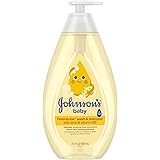
Once you begin tub baths, never leave your baby unattended, even for a second. Have everything within arm’s reach. Support your baby’s head and neck continuously. Fill the tub with only a few inches of water. Use a small amount of gentle baby wash, lathering it in your hands before applying to your baby’s skin. Rinse thoroughly and pat dry immediately, paying special attention to skin folds, to prevent irritation and chafing. Following these baby hygiene essentials makes bath time a secure and enjoyable experience.
Diapering Demystified: Keeping Your Baby Dry and Comfortable
Diaper changes are one of the most frequent baby hygiene tasks. A clean, dry diaper is crucial for preventing diaper rash and maintaining skin health. Babies need their diapers changed frequently – about 10-12 times a day for newborns, gradually decreasing as they grow.
The Diaper Changing Routine
- Gather your supplies: a clean diaper, baby wipes or warm water with cotton balls, diaper cream (if needed), and a changing pad or clean towel.
- Lay your baby on the changing surface.
- Open the soiled diaper but do not remove it yet. Use the front of the soiled diaper to wipe away any larger messes from front to back (especially important for girls to prevent urinary tract infections).
- Remove the soiled diaper, fold it inward, and set it aside.
- Clean the area thoroughly with wipes or cotton balls and water, always wiping from front to back.
- Allow the area to air dry for a moment or gently pat dry.
- Apply a thin layer of diaper cream if there’s any redness or a history of rash.
- Place a clean diaper under your baby, ensuring the tabs are at the back. For newborns, fold down the front of the diaper to avoid irritating the umbilical cord stump.
- Fasten the tabs snugly but not too tightly – you should be able to fit two fingers underneath the waistband.
Preventing and Treating Diaper Rash
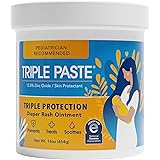
Diaper rash is a common skin irritation that occurs when the skin is exposed to moisture and irritants for too long. Prevent it by changing diapers frequently, ensuring the skin is dry before applying a new diaper, and using a protective barrier cream. If a rash develops, continue frequent changes, allow for some diaper-free time, and use a zinc oxide-based diaper cream. Persistent or severe rashes might warrant a call to your pediatrician.
Nail Care for Tiny Fingers and Toes
Baby nails grow surprisingly fast and can be quite sharp, leading to accidental scratches on their delicate skin or even on themselves. Keeping them trimmed is a vital part of baby hygiene essentials.
- **When to Trim:** It’s often easiest to trim nails when your baby is asleep or very calm, such as after a feed.
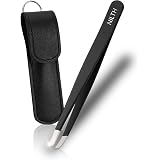
- **Tools:** Use infant-specific nail clippers with rounded edges, blunt-tipped baby scissors, or a soft emery board.
- **Technique:** Gently press the pad of the finger away from the nail to avoid nicking the skin. Trim straight across, then use an emery board to smooth any sharp edges. For toenails, trim straight across to prevent ingrown nails.
Umbilical Cord Care: What New Parents Need to Know
For newborns, proper care of the umbilical cord stump is paramount until it falls off naturally. This usually occurs within one to three weeks after birth. The goal is to keep it clean and dry to prevent infection.
- **Keep it Dry:** Expose the stump to air whenever possible. Fold down the front of your baby’s diaper so it doesn’t rub against or cover the stump.
- **Sponge Baths Only:** Stick to sponge baths until the stump has fallen off and the navel area is completely healed.
- **Clean Gently:** If the stump becomes dirty, gently wipe it with warm water and a cotton swab. Avoid using alcohol unless specifically instructed by your pediatrician.
- **Signs of Infection:** Watch for redness around the base of the stump, swelling, pus-like discharge, a foul odor, or if your baby develops a fever. Contact your pediatrician immediately if you notice any of these symptoms.
Oral Hygiene: Starting Early for a Healthy Smile
Oral hygiene for babies begins even before their first tooth emerges. Good habits start young and contribute to overall health.
- **Gum Care (0-6 months):** After feedings, gently wipe your baby’s gums with a clean, damp washcloth or a soft infant gum brush. This removes milk residue and bacteria, preparing their mouth for incoming teeth.
- **First Teeth (6+ months):** As soon as the first tooth appears, it’s time to start brushing. Use a soft-bristled infant toothbrush and a tiny smear (rice grain size) of fluoride toothpaste.
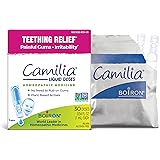
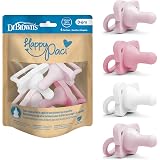
- **Teething Comfort:** Offer safe teething toys, a clean finger, or a cold washcloth to help soothe sore gums.
Ear and Nose Care: Gentle Approaches to Clear Passages
Keeping your baby’s ears and nose clear is important for their comfort and breathing, but it requires a very gentle touch.
- **Ears:** Clean the outer ear and behind the ears with a soft, damp cloth during bath time. Never insert cotton swabs or anything else into your baby’s ear canal, as this can push wax further in or damage the eardrum.
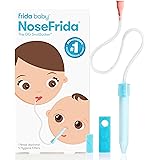
- **Nose:** If your baby has visible mucus or crusts around their nostrils, gently wipe them away with a soft, damp cloth or a cotton swab moistened with saline solution. For congestion, a bulb syringe or nasal aspirator, used carefully with saline drops, can help clear passages. Consult your pediatrician for guidance on using these tools correctly.
Skin Care and Common Infant Skin Conditions
Maintaining healthy skin is a primary focus of baby hygiene essentials. Beyond bathing, moisturizing and addressing common conditions are key.
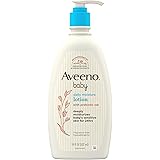
- **Moisturizing:** If your baby has dry skin, apply a gentle, fragrance-free baby moisturizer after baths to lock in hydration.
- **Cradle Cap:** This common condition appears as scaly, greasy patches on the scalp. Gently massage baby oil into the scalp to loosen scales, leave for a few minutes, then brush with a soft baby brush and shampoo lightly.
- **Baby Acne:** Small red bumps often appear on a newborn’s face. This is usually hormonal and resolves on its own within a few weeks or months. Keep the area clean with plain water; avoid scrubbing or harsh products.
- **Eczema:** If your baby develops red, itchy patches of dry skin, it could be eczema. Use a gentle cleanser, lukewarm baths, and a thick, emollient moisturizer. Consult your pediatrician for diagnosis and treatment.
Choosing the Right Baby Hygiene Products
With countless products on the market, selecting the right ones can feel overwhelming. Focus on simplicity and safety. Look for:
- **”Tear-free” formulas:** For shampoos and washes, to protect sensitive eyes.
- **”Fragrance-free” and “dye-free”:** To minimize potential irritants.
- **”Hypoallergenic” and “dermatologist-tested”:** Indicates products designed for sensitive skin.
- **Minimal ingredients:** The fewer ingredients, the less chance of irritation.
Avoid products containing parabens, phthalates, and sulfates, as these can be harsh on delicate skin. Sticking to these guidelines for baby hygiene essentials ensures a safer and healthier environment for your infant.
Establishing a Routine: The Power of Consistency
While specific times might vary, establishing a predictable routine for your baby’s hygiene provides comfort and structure. This could involve bath time before bed, followed by a gentle massage and clean pajamas, or regular diaper changes integrated into feeding schedules. A consistent routine makes these baby hygiene essentials less of a chore and more of an enjoyable, bonding experience for both of you.
Mastering the Must-Haves: Your Baby Hygiene Q&A
Why is a newborn’s skin so delicate?
A newborn’s skin is approximately 30% thinner than adult skin, making it absorb substances more readily and more susceptible to irritation and dryness.
How often should I bathe my newborn?
Newborns and young infants typically only need baths two to three times a week, as frequent bathing can dry out their delicate skin. Between baths, focus on ‘top and tail’ washes.
When can I start giving my baby a regular tub bath?
You should use sponge baths until your baby’s umbilical cord stump falls off and the area is fully healed, which usually takes one to three weeks. After that, you can transition to a baby bathtub.
What type of products should I use for my baby’s hygiene?
Always choose products specifically formulated for infants that are fragrance-free, dye-free, hypoallergenic, and dermatologist-tested to minimize potential irritants.
How do I care for my baby’s umbilical cord stump?
Keep the umbilical cord stump clean and dry, exposing it to air whenever possible by folding down the front of the diaper. Only use sponge baths until it falls off and the navel area is completely healed.