The journey through early parenthood is characterized by rapid developmental milestones, particularly during the dynamic 3-6 month period. As insightfully shared in the accompanying video, this stage introduces a fresh set of 3-6 month baby must-haves that cater to a baby’s burgeoning curiosity and increasing mobility. The initial newborn essentials, while foundational, are gradually supplemented by items designed to support enhanced sensory exploration, fine and gross motor skill development, and the establishment of more predictable routines. This article expands upon the video’s recommendations, delving deeper into the critical role each product plays in facilitating optimal infant growth and comfort during these pivotal months.
Navigating the 3-6 Month Developmental Leap with Essential Baby Products
Between three and six months of age, infants undergo significant developmental advancements. Babies typically begin to gain better head control, reach for objects with greater intention, and even roll over. Furthermore, vocalizations become more varied, and social interactions increase in complexity. During this period, infants are actively exploring their environment, which necessitates a curated selection of baby products that can facilitate this journey. Thoughtful selection of 3-6 month baby must-haves is considered essential for supporting these rapid changes, ensuring both safety and stimulation.
Fostering Active Exploration: Supportive Seating and Carriers
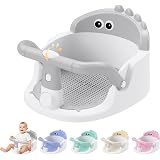
As infants become more alert and desirous of observing their surroundings, supportive seating options become invaluable. A quality baby bouncer, often mentioned as a newborn essential, frequently continues its utility into this stage, particularly when a toy bar attachment is introduced. This allows for upright positioning, which is often preferred by babies who enjoy engaging with the world from a new vantage point. Additionally, products like the Bumbo seat are introduced, providing a structured yet comfortable space for infants to practice sitting upright with support. These options are crucial for developing core strength and providing a safe observation post for your little one.
For parents on the go, a robust and ergonomically designed baby carrier remains a cornerstone baby must-have for 3-6 months. Carriers allow for close contact and bonding while offering parents the freedom of movement necessary for daily tasks or extended walks. It is widely acknowledged that a supportive carrier, particularly one with a comfortable back design, significantly contributes to parental comfort during prolonged use. Such carriers also facilitate the baby’s engagement with their immediate environment and the person carrying them.
Cultivating Early Literacy and Cognitive Growth
The introduction of books at an early age is often emphasized as a foundational practice for cognitive development. Even before an infant can comprehend narratives, the tactile experience of board books and sensory-rich options, such as those with “feeler” elements, provides important stimulation. These early interactions are understood to create a positive association with reading, fostering habits that contribute to future literacy. Diverse representation in illustrations, as seen in books like “Ten Little Fingers and Ten Little Toes” or adapted classics, is also considered vital for exposing infants to a wide array of human experiences and fostering inclusivity.
Beyond traditional storybooks, resources such as “Wonder Weeks” provide invaluable insights into an infant’s developmental leaps. This renowned guide, accessible through both a book and an application, maps out predictable periods of fussiness and developmental advancement. Understanding these stages is critical for parents seeking to better support their baby’s evolving needs and to interpret their behaviors, thereby selecting toys and activities that align with their current cognitive and physical capabilities.
Engaging Sensory Play and Effective Teething Relief
During the 3-6 month window, infants refine their grasping skills and explore objects primarily through oral exploration. A diverse array of sensory toys is therefore considered essential for stimulating their senses and supporting fine motor development. Grippy toys, often made from soft, safe materials, are ideal for developing hand-eye coordination and strength. Rattles, whether wooden or fabric-based, introduce auditory stimulation and teach cause-and-effect relationships. Crinkly toys and sensory books provide varied textures and sounds, which are crucial for tactile and auditory processing.
The emergence of teething symptoms, even without visible teeth, is a common occurrence in this age group. Increased drooling and the persistent desire to chew are notable indicators. A selection of high-quality teethers, crafted from natural rubber, silicone, or wood, provides safe and satisfying relief. Cooling teethers, stored in a refrigerator, offer an additional soothing sensation for inflamed gums. It is generally recommended that these items be constructed from non-toxic materials, ensuring safety during frequent oral engagement.
Bath time transitions from a purely functional activity to a significant sensory experience. The introduction of specific bath toys, particularly those designed to prevent mold accumulation, enhances this experience. Toys that can be opened and thoroughly dried or sterilized are highly preferred, addressing common concerns regarding hygiene. Coupled with gentle, baby-safe bubble bath formulas, bath time becomes an opportunity for playful interaction and multisensory engagement.
Optimizing for Sleep and Comfort: Addressing the 4-Month Sleep Regression
The 4-month sleep regression is a widely recognized developmental phase that can significantly disrupt established sleep patterns. This period, often described as a challenging “month and a half,” involves changes in a baby’s sleep architecture, leading to more frequent awakenings. Effective sleep aids are consequently considered vital during this time. A high-quality white noise machine, such as the Hatch Baby, offers consistent, soothing background sounds that can help mask household noises and promote a more tranquil sleep environment. The use of real rather than artificial sounds is frequently cited as beneficial for deeper relaxation.
For nighttime warmth and security, sleep sacks are recognized as a safe alternative to loose blankets. These garments, available in various thicknesses, ensure that infants remain cozy without the risk of suffocation. Furthermore, while traditional swaddling typically ceases once a baby shows signs of rolling, thinner, stretchy swaddle blankets, made from materials like those from Solly Baby or Copper Pearl, continue to serve multiple purposes. They can be used as lightweight blankets for warmth, particularly in a bassinet with a thinner built-in swaddle, or as versatile covers when out and about.
Practicalities of Infant Care: Hygiene and Wardrobe Essentials
Increased drooling, often associated with teething, necessitates a steady supply of absorbent bibs. Bandana-style bibs, especially those crafted from soft, comfortable fabrics, effectively manage moisture, preventing skin irritation and keeping clothing dry. The availability of multiple bibs ensures that a clean one is always accessible, even when others are being laundered.
When selecting infant clothing for the 3-6 month stage, an emphasis is placed on comfort and functionality. Fitted onesies or “play suits,” rather than baggy garments, facilitate unrestricted movement as babies begin to roll, pivot, and attempt to crawl. Brands such as Kyte Baby and Baby Gap offer designs that are both comfortable and conducive to a baby’s developing gross motor skills, allowing for easier maneuvering on the floor.
For essential diapering and hygiene, a calendula-based diaper rash cream is often recommended for its soothing properties and natural ingredient profile. This product is frequently applied proactively to address any minor redness, especially during periods of increased bowel movements. Additionally, the utility of wet bags cannot be overstated for managing soiled diapers or clothing when away from home. These sealed bags prevent leaks and contain odors, providing a practical solution for blowouts or wet items until they can be properly cleaned.
Integrating Music and Movement into Daily Routines
Music plays a significant role in infant development, stimulating auditory senses and promoting emotional regulation. Exposure to diverse musical genres, including specialized baby playlists or even familiar adult music, can encourage joyous interactions such as dancing and singing. These activities are recognized for fostering parent-child bonding and providing positive sensory input, often eliciting giggles and encouraging early vocalizations. The use of streaming services to access curated “Baby Songs for Daytime” playlists is a simple yet effective method for incorporating music into daily routines, transforming everyday moments into opportunities for joyful engagement and development.
Your Everyday Baby Must-Haves: Q&A
What makes the 3-6 month stage different for babies?
This stage is characterized by rapid developmental milestones, like gaining better head control and reaching, which means babies need new essentials to support their growth.
Why are books important for babies aged 3-6 months?
Introducing books early helps with cognitive development and provides tactile stimulation, creating a positive association with reading for the baby.
What should I know about the “4-month sleep regression”?
The 4-month sleep regression is a common developmental phase where a baby’s sleep patterns change, often leading to more frequent awakenings at night.
What types of products are good for teething babies in this age group?
High-quality teethers made from safe materials like natural rubber or silicone provide relief for inflamed gums, and cooling teethers can offer extra soothing.