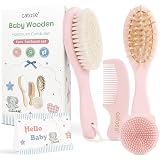
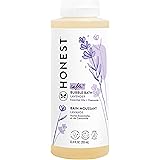
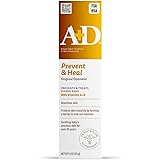
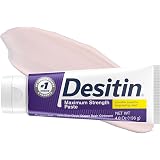
Every parent knows that unique feeling of awe mixed with a touch of anxiety that comes with a newborn. The world suddenly seems full of tiny dangers, from unseen germs to harsh ingredients. As we saw in the video, protecting our little ones often feels like a full-time mission, especially when it comes to their delicate health and hygiene. The constant thought is always how best to provide that much-needed extra care, ensuring their environment is safe and nurturing.
The pursuit of effective yet gentle solutions for baby care is a common journey for many families. This often leads to a focus on products known to contain natural ingredients. Such formulations are widely preferred for their perceived mildness and their role in safeguarding a baby’s incredibly sensitive skin and developing immune system. It is understood that these choices are fundamental to maintaining good baby health and hygiene.
The Importance of Natural Ingredients in Baby Health and Hygiene
When selecting products for infants, the composition is carefully considered by parents. Natural ingredients are frequently highlighted for a number of reasons. They are believed to be less likely to cause irritation or allergic reactions on delicate skin, which is thinner and more permeable than adult skin. Harsh chemicals or synthetic fragrances can often strip away natural oils, leading to dryness or discomfort.
Ingredients sourced from nature, such as chamomile, calendula, aloe vera, and various plant oils, are often known for their soothing and moisturizing properties. These components are thought to contribute to strengthening the skin’s natural barrier. A healthy skin barrier is crucial; it helps protect against environmental irritants and maintains the skin’s moisture balance, which is vital for overall baby health and hygiene.
Understanding Germ Protection for Your Little One
Germs are an unavoidable part of life, but for babies, their presence is often a significant concern. Infants have immune systems that are still developing, making them more susceptible to infections. Therefore, germ protection becomes a cornerstone of baby care. It is understood that while sterile environments are impractical and potentially detrimental to immune development, a clean and hygienic one is paramount.
Common sources of germs include unwashed hands, contaminated surfaces, and even airborne particles. A baby’s natural exploratory behavior, often involving putting hands and objects into their mouth, increases their exposure. The strategy for germ protection involves consistent hygiene practices, which are generally considered a critical aspect of ensuring robust baby health and hygiene.
Key Areas for Gentle Germ Management
- Hand Hygiene: The hands of caregivers and anyone interacting with the baby are frequently cleaned. This simple act is recognized as a primary defense against germ transmission.
- Clean Surfaces: Areas where the baby plays, sleeps, or eats are regularly wiped down. This includes changing tables, play mats, and high chairs, all of which can harbor microbes.
- Bottle and Teether Sterilization: Feeding equipment and items that go into a baby’s mouth are often sterilized, especially for newborns. This practice helps prevent the build-up of harmful bacteria.
Comprehensive Baby Health and Hygiene Practices
Beyond product choices, a holistic approach to baby health and hygiene encompasses several daily routines. These practices are designed to keep the baby clean, comfortable, and protected from common ailments. Consistency in these routines is frequently emphasized by childcare experts.
Bathing is one such essential routine, where gentle cleansers with natural components are typically utilized. The temperature of the water is carefully monitored, and bathing is often done in a warm, draft-free room. After the bath, the skin is gently patted dry, paying special attention to folds and creases where moisture can accumulate and lead to irritation. A gentle moisturizer may then be applied to prevent dryness.
Daily Routines for Optimal Care
Diaper changes are performed frequently, with the area thoroughly cleaned using mild wipes or water and cotton. Diaper rash cream, often containing zinc oxide or natural barrier ingredients, is applied to protect against moisture and irritation. These regular changes are considered fundamental in preventing discomfort and maintaining skin integrity, which is vital for baby health and hygiene.
Beyond personal hygiene, the baby’s environment is also carefully managed. Laundry for baby clothes, bedding, and towels is typically washed separately using mild, fragrance-free detergents. This helps minimize exposure to potential allergens and irritants. The overall cleanliness of the home environment is also maintained, with regular dusting and vacuuming contributing to a healthier space for the infant.
Choosing Products for Delicate Baby Skin
The choice of baby products goes beyond just cleansers and lotions; it extends to everything that touches a baby’s skin. This includes clothing, diapers, and even laundry detergents. When evaluating these items, factors such as material composition, breathability, and absence of harsh chemicals are frequently considered.
Many parents actively seek out products labeled “hypoallergenic” or “dermatologist-tested.” While these labels can provide a degree of reassurance, reviewing the ingredient list is often advised. A shorter list of recognizable, natural ingredients is often preferred, as it is believed to reduce the chances of adverse reactions. This diligent selection process is a reflection of the commitment to optimal baby health and hygiene.
For example, some parents opt for cloth diapers made from natural fibers, while others choose disposable diapers that emphasize natural, plant-based materials and are free from chlorine bleaching and dyes. The common goal is always to minimize exposure to any substances that could potentially harm the baby’s sensitive skin or general well-being. This careful approach is consistently applied to all aspects of baby health and hygiene.
Heavenly Health for Your Little Angel: Your Natural Care Questions Answered
Why should I choose natural ingredients for my baby’s products?
Natural ingredients are often gentler on a baby’s delicate skin, helping to avoid irritation and allergic reactions, while also providing soothing and moisturizing benefits.
Why is it important to protect my baby from germs?
Babies have developing immune systems, making them more susceptible to infections. Protecting them from germs is crucial for maintaining their overall health.
What are simple ways to help protect my baby from germs?
Simple steps include ensuring caregivers wash their hands often, regularly cleaning surfaces where your baby plays, and sterilizing feeding items like bottles.
What are some basic daily hygiene routines for my baby?
Important routines include giving gentle baths, frequently changing diapers with mild cleaning products, and keeping their clothing and surroundings clean using fragrance-free detergents.