Caring for your newborn’s circumcision site is a common concern for new parents. This article expands on the visual guide you might have seen in the video above. It offers clear, simple steps for effective newborn circumcision care.
Understanding the proper way to care for your baby is crucial. Gentle handling and consistent hygiene prevent complications. This guide aims to provide you with confidence and practical knowledge. You will learn what to do and what to watch for during the healing process.
Understanding Newborn Circumcision Care
Newborn circumcision is a surgical procedure. It removes the foreskin from the penis. This procedure is often done shortly after birth. Your baby’s doctor will provide specific post-procedure instructions. This care helps ensure proper healing. It also keeps your baby comfortable.
The healing process typically takes 7 to 10 days. During this time, careful attention is needed. Parents often feel a bit nervous. Rest assured, proper newborn circumcision care is straightforward. Many parents successfully navigate this period.
What to Expect Immediately After the Procedure
After circumcision, the area will look red. There might be some swelling. This is a normal part of the healing. A yellowish crust or film may form. This is not pus, but rather a normal healing scab. It is important not to pick at this. Let it fall off naturally.
Your baby will likely have a sterile dressing. This might be gauze with petroleum jelly. This dressing protects the delicate area. It also prevents the wound from sticking to the diaper. Your pediatrician will tell you when to remove this first dressing. Usually, it comes off within 24 hours.
Essential Steps for Daily Circumcision Care
Daily care is vital for proper healing. These steps are simple but important. They help keep the area clean. They also reduce the risk of infection. Always wash your hands thoroughly first. This prevents germs from spreading to your baby.
1. Gentle Cleaning is Key
Keep the area clean. Use warm water during diaper changes. A soft cloth or cotton ball works well. Gently wipe around the tip of the penis. Avoid harsh soaps or vigorous scrubbing. Think of it like cleaning a delicate flower. You need to be very gentle.
For uncircumcised boys, no special cleaning is usually needed beyond normal bathing. However, after a circumcision, targeted care is necessary. Some parents use a mild, baby-specific soap. Always rinse thoroughly to remove any soap residue. This prevents irritation for your newborn.
2. Applying Protective Ointment
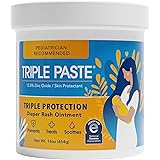
After cleaning, apply a protective layer. Petroleum jelly is commonly recommended. Your doctor might suggest a different antibiotic ointment. This creates a barrier. It helps prevent the wound from sticking to the diaper. This layer is like a soothing balm for the skin.
Generously apply the ointment. Cover the entire head of the penis. Do this with every diaper change. Continue this for several days. Follow your pediatrician’s specific instructions. This step is crucial for comfort and healing. It helps keep the area moist and protected.
3. Diaper Changes and Positioning
Change diapers frequently. A wet or soiled diaper can irritate the wound. Fresh diapers keep the area dry. They also minimize the risk of infection. Ensure the diaper is not too tight. A snug but not restrictive fit is best.
When changing, lift your baby’s legs gently. Avoid direct pressure on the penis. Positioning your baby on their back is usually comfortable. This reduces friction. Choose loose-fitting clothing for your baby. This allows for air circulation. It also prevents rubbing against the healing site.
Recognizing Normal Healing vs. Concern
Knowing what to expect helps ease worries. The redness should decrease over time. Swelling will also go down. The yellowish film will disappear. A fully healed site will look like normal skin. This usually takes about one to two weeks.
However, some signs require immediate attention. Increased redness or swelling is a concern. Persistent bleeding (more than a few drops) needs medical review. Foul-smelling discharge can indicate infection. A fever is also a red flag. If your baby seems in unusual pain, call your doctor. Trust your instincts as a parent. Do not hesitate to seek professional medical advice.
Minor bleeding spots in the diaper are often normal. A small amount of yellow discharge is also typical. These are part of the healing process. However, any heavy bleeding should be reported. Always follow up with your pediatrician. They can assess your baby’s progress. They can also address any questions you may have.
Creating a Comfortable Environment for Your Newborn
Your baby’s comfort is paramount. Gentle handling reduces their discomfort. Cuddle your baby often. Skin-to-skin contact is very soothing. Ensure your baby’s sleeping environment is safe. A firm mattress and no loose bedding are recommended.
Consider using pain relief if recommended by your doctor. Acetaminophen for infants can be prescribed. This helps manage discomfort after the procedure. Distraction techniques also work wonders. Gentle rocking or soft singing can calm your baby. A peaceful environment promotes healing and rest. It helps your baby recover quickly.
Dress your baby in soft, breathable fabrics. Cotton is an excellent choice. Avoid tight snaps or elastic near the penis area. A loose onesie can provide protection without pressure. Keep the room temperature comfortable. Overheating can cause fussiness. All these small steps add to your baby’s overall well-being.
Long-Term Outlook for Circumcised Babies
After the initial healing, ongoing care is simple. Normal bathing routines can resume. Keep the area clean with water and mild soap. No special ointments are usually needed. Teach your child good hygiene as they grow. This ensures a lifetime of healthy practices.
Regular check-ups with your pediatrician are important. They monitor your baby’s growth and development. They can also address any long-term concerns. Proper newborn circumcision care sets the stage for healthy development. It provides peace of mind for parents. You can feel confident in your caregiving abilities.
Your Newborn’s Circumcision Care: Pediatrician Answers Your Queries
What is newborn circumcision?
Newborn circumcision is a surgical procedure that removes the foreskin from the penis. It is typically performed shortly after birth to ensure proper healing and comfort for the baby.
How long does it usually take for a newborn’s circumcision to heal?
The healing process for a newborn’s circumcision typically takes about 7 to 10 days. Careful attention is needed during this time to ensure proper recovery.
What should I expect the circumcision site to look like right after the procedure?
Immediately after the procedure, the area will appear red and might have some swelling. A yellowish crust or film, which is a normal healing scab, may also form.
How should I clean my baby’s circumcision site?
You should gently clean the area with warm water during diaper changes, using a soft cloth or cotton ball. Always wash your hands thoroughly first to prevent the spread of germs.
What kind of ointment should I use on the circumcision site?
After cleaning, apply a protective layer of petroleum jelly, or an antibiotic ointment if recommended by your doctor. This creates a barrier and helps prevent the wound from sticking to the diaper.