Navigating the world of baby skincare can feel overwhelming for any parent. With countless products lining the shelves and an abundance of advice, discerning what’s truly best for your little one’s delicate skin becomes a top priority. Just like the insights shared in the video above, understanding the unique needs of infant skin and selecting the right products is crucial for their comfort and health.
A baby’s skin is remarkably different from an adult’s. It’s thinner, more permeable, and has an underdeveloped barrier function, making it highly susceptible to irritation, dryness, and absorption of external substances. In fact, research indicates that a baby’s skin can lose moisture up to five times faster than adult skin, making hydration a constant battle. This inherent vulnerability underscores the importance of choosing safe baby skincare products that are specifically formulated to protect and nurture without causing harm.
Understanding Your Baby’s Delicate Skin: Why Less is Often More
The first few months of a baby’s life are a critical period for skin development. Their skin barrier, which acts as a protective shield against environmental irritants and germs, is still maturing. This immaturity means that harsh chemicals, fragrances, and dyes found in many conventional products can easily strip away natural oils, disrupt the skin’s pH balance, and trigger sensitivities like eczema or contact dermatitis. Pediatric dermatologists often highlight that up to 20% of infants may experience some form of skin sensitivity, emphasizing the need for a gentle approach.
Ingredients to Steer Clear Of in Baby Skincare
When selecting safe baby skincare products, knowing what to avoid is just as important as knowing what to look for. Certain ingredients are common culprits for irritation and should be minimized or completely eliminated from your baby’s routine:
- Fragrances and Dyes: Often artificial, these can be a leading cause of allergic reactions and skin irritation. Studies consistently show that synthetic fragrances, even those marketed as “natural,” can contain dozens of undisclosed chemicals. Look for “fragrance-free” or “dye-free” labels.
- Parabens: Preservatives like methylparaben, propylparaben, and butylparaben have raised concerns due to their potential to disrupt hormones, although regulatory bodies consider them safe in small amounts. Many parents prefer to avoid them entirely.
- Phthalates: These chemicals are used to make plastics more flexible and are sometimes found in fragrances. Research suggests potential links to developmental and reproductive issues.
- Sulfates (SLS/SLES): Sodium Lauryl Sulfate and Sodium Laureth Sulfate are common foaming agents that can be harsh and strip natural moisture from the skin, leading to dryness and irritation.
- Formaldehyde-Releasing Preservatives: Ingredients like quaternium-15, DMDM hydantoin, and imidazolidinyl urea slowly release formaldehyde, a known allergen and carcinogen.
- Oxybenzone & Octinoxate: These chemical UV filters are often found in adult sunscreens but are not recommended for babies due to absorption concerns and potential hormonal disruption.
Essential Safe Baby Skincare Products Every Parent Needs
Equipping yourself with a few key safe baby skincare products can make a world of difference. The focus should always be on gentle, hypoallergenic, and dermatologist-tested formulations. Here are the essential categories:
Gentle Baby Cleansers and Shampoos
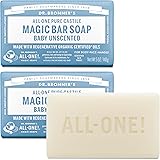
Bathing is a wonderful bonding experience, but over-bathing or using harsh soaps can dry out a baby’s skin. For newborns, sponge baths are sufficient until the umbilical cord stump falls off. Once you transition to full baths, opt for a mild, tear-free baby wash or shampoo. These products are formulated to be pH-balanced and won’t strip the skin’s natural oils. Approximately 60% of pediatricians recommend limiting full baths to 2-3 times per week for infants, using plain water for quick clean-ups in between.
- Look For: “Tear-free,” “pH-balanced,” “soap-free,” “fragrance-free,” and ingredients like glycerin or oat extract for added moisture.
- Avoid: Strong foaming agents, artificial fragrances, and harsh detergents.
Nourishing Baby Moisturizers
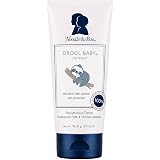
Moisturizing is vital, especially after a bath, to lock in hydration and support the skin barrier. A good baby moisturizer can prevent dryness, flakiness, and discomfort, which is particularly important for babies prone to eczema. Studies indicate that regular application of emollients can reduce the risk of eczema development in high-risk infants by up to 50%.
- Look For: Hypoallergenic, fragrance-free lotions, creams, or ointments containing ceramides, shea butter, colloidal oatmeal, or natural oils like sunflower or jojoba. Creams and ointments are generally thicker and more effective for very dry skin.
- Application Tip: Apply within minutes of a bath to damp skin to maximize moisture absorption.
Safe Baby Sunscreens (Mineral-Based)
Sun protection is paramount, but babies under six months should ideally be kept out of direct sunlight. When sun exposure is unavoidable for infants older than six months, a mineral-based sunscreen is the preferred choice. These sunscreens use zinc oxide and/or titanium dioxide, which sit on top of the skin and physically block UV rays, rather than being absorbed.
- Look For: Broad-spectrum SPF 30 or higher, “mineral-based” or “physical” sunscreen with zinc oxide (at least 10%) and/or titanium dioxide. Ensure it’s fragrance-free and formulated for sensitive skin.
- Application Tip: Apply generously to all exposed skin 15-30 minutes before sun exposure and reapply every two hours, or more often if swimming or sweating.
Effective Diaper Rash Creams
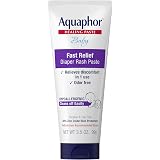
Diaper rash is a common concern, affecting nearly all babies at some point. A good diaper rash cream acts as a barrier to protect the skin from moisture and irritants. Zinc oxide is a hero ingredient here, known for its soothing and protective properties.
- Look For: High concentrations of zinc oxide (10-40%) or petrolatum. Opt for fragrance-free options.
- Prevention Tip: Change diapers frequently, clean the area gently, and apply a thin layer of barrier cream at each change, especially before bedtime.
Baby-Friendly Laundry Detergents
Often overlooked as part of a safe baby skincare routine, the detergent used for washing clothes, bedding, and towels can significantly impact a baby’s sensitive skin. Harsh detergents can leave behind residues that irritate the skin, especially for babies with eczema or contact allergies.
- Look For: “Free and Clear,” “hypoallergenic,” “dye-free,” and “fragrance-free” formulations. Plant-based detergents are often a good choice.
- Tip: Consider washing new baby clothes before use to remove any manufacturing residues.
Reading Labels and Empowering Your Choices
Empowering yourself to read product labels is key to choosing safe baby skincare products. Don’t be swayed solely by “natural” or “organic” labels, as these terms aren’t always regulated consistently. Always check the ingredient list. Look for certifications from reputable organizations, such as the National Eczema Association Seal of Acceptance, which can provide an extra layer of assurance for parents of children with sensitive skin.
Remember, every baby’s skin is unique. What works for one may not work for another. If your baby develops a rash, excessive dryness, or any other skin concern, it’s always best to consult with your pediatrician or a pediatric dermatologist. They can offer personalized advice and diagnose any underlying conditions. By prioritizing gentle, non-toxic ingredients and establishing a simple yet effective routine, you can help ensure your baby’s skin stays healthy, happy, and well-protected.
Tiny Skin, Big Questions: Your Safe Skincare Q&A
Why is baby skin different from adult skin?
A baby’s skin is thinner, more permeable, and has an underdeveloped protective barrier. This makes it more susceptible to irritation, dryness, and absorbing external substances compared to adult skin.
What ingredients should I avoid in baby skincare products?
You should generally avoid fragrances, dyes, parabens, phthalates, sulfates (SLS/SLES), and formaldehyde-releasing preservatives. These ingredients can easily irritate a baby’s sensitive skin.
What are some essential safe baby skincare products I should have?
Key products include gentle cleansers and shampoos, nourishing moisturizers, mineral-based sunscreens (for babies over six months), effective diaper rash creams, and baby-friendly laundry detergents.
How often should I bathe my baby?
For newborns, sponge baths are sufficient until the umbilical cord stump falls off. For older infants, many pediatricians recommend limiting full baths to 2-3 times per week to prevent skin dryness.