The journey of parenthood is filled with exciting milestones, and few are as eagerly anticipated as the introduction of solid foods. For many parents, this transition can also be a source of questions and uncertainty. Statistically, starting solids before four months of age is not recommended due to developmental immaturity, and studies indicate an increased risk of allergies when solid foods are introduced too early. Both the American Academy of Pediatrics and the World Health Organization advocate for waiting until a baby is approximately six months old and exhibits clear signs of readiness before beginning this significant step.
The comprehensive video above offers invaluable guidance on how to navigate the world of baby’s first foods. This accompanying guide delves deeper into the crucial aspects discussed, providing additional context, practical tips, and detailed explanations to ensure a smooth and successful experience for both you and your little one. Understanding the nuances of infant feeding, from identifying readiness cues to choosing the right equipment and managing mealtime chaos, is essential.
Understanding Readiness: When to Begin Introducing Solids
The timing for introducing solid foods to an infant is a critical consideration. It is not merely a matter of age but rather a combination of age and specific developmental milestones. Introducing solids too early, typically before four months, is generally discouraged for several important reasons.
Firstly, an infant’s digestive system may not be sufficiently mature to process solid foods effectively. Their gastrointestinal tract requires time to develop the necessary enzymes and gut lining to handle new food proteins and textures. Secondly, their swallowing reflexes are often not coordinated enough for semi-solid foods, increasing the risk of choking. Imagine if a baby, whose primary motor skill is sucking, were asked to manage a solid bite; it is a fundamental shift in their oral motor capabilities. Furthermore, breast milk or infant formula provides all the necessary nutrients for babies under four to six months of age, making early solids nutritionally redundant and potentially displacing vital milk feeds. Studies have also indicated a heightened risk of allergies when solids are initiated before the four-month mark, underscoring the importance of developmental readiness.
Key Signs Your Baby is Ready for Solid Foods
Waiting until your baby is around six months of age is generally advised, but these physiological and behavioral indicators are equally, if not more, important:
- Good Head and Neck Control: The baby must be able to sit with support and hold their head upright and steady for the duration of a meal. This stability is crucial for safe swallowing and preventing choking.
- Awareness of Hands and Fingers: This sign indicates developing fine motor skills. An infant who can consciously explore objects with their hands and bring them to their mouth demonstrates the foundational ability to participate in self-feeding.
- Interest in Food: Your baby will likely show keen interest in what you are eating. This might manifest as intently watching food move from your plate to your mouth, reaching for food, or even opening their mouth as food approaches them. This curiosity is a strong indicator of psychological readiness.
- Reduced Tongue-Thrust Reflex: This reflex is a natural mechanism in infants that pushes anything but a nipple out of their mouth. For successful solid feeding, this reflex must diminish, allowing food to remain in the mouth and be moved back for swallowing rather than being expelled.
When these foundational skills are present, it signifies that your baby is adequately prepared to safely explore the new world of solid foods.
Choosing a Feeding Approach: Purees, BLW, or Combination?
Once readiness is established, parents often ponder the best method for introducing solids. There are primarily three widely accepted approaches, and each possesses its unique merits. It is important to remember that all are perfectly acceptable, and the most effective method is often the one with which parents feel most comfortable and confident.
The Spoon-Feeding Approach (Traditional Purees)
This is the more conventional method, where the parent is largely in control of feeding. Initially, pureed or mashed foods are offered via a spoon. As the baby grows and develops, the texture of the food can be gradually thickened and lumps introduced. For example, a baby might start with smooth single-grain rice cereal or pureed sweet potato, eventually progressing to mashed banana or finely minced meat.
This approach can offer a sense of control for parents, allowing for precise monitoring of how much food is consumed. It may also result in less initial mess compared to other methods. However, it can sometimes lead to parents inadvertently overriding a baby’s satiety cues, as the spoon continues to be offered even if the baby is signaling fullness. Responsive feeding practices, where the parent observes and respects the baby’s cues, are paramount regardless of the chosen method.
Baby-Led Weaning (BLW)
In contrast to spoon-feeding, baby-led weaning empowers the infant to self-feed from the very beginning. Thick, finger-sized pieces of soft, easily squishable food are offered, and the baby independently grasps and brings the food to their mouth. Purees are typically bypassed entirely in this approach. Imagine a baby being offered a steamed carrot stick or a slice of avocado; they would explore it, chew on it, and decide how much, if any, to consume.
Proponents of BLW highlight its potential benefits for developing fine motor skills, hand-eye coordination, and fostering a healthy relationship with food by allowing the baby to regulate their own intake. It encourages exploration of various textures and tastes, potentially reducing fussiness later on. However, this method can be significantly messier, and parents must be diligent about offering appropriate food sizes and textures to mitigate choking hazards. While choking is a concern with any feeding method, BLW often involves larger pieces of food, necessitating extra vigilance and knowledge of infant first aid.
The Combination Feeding Approach
For many families, a hybrid method proves to be the most practical and flexible. Combination feeding integrates elements of both spoon-feeding and baby-led weaning. A baby might be offered purees via spoon for some meals, while at others, they might be presented with finger foods to self-feed. This approach allows parents to benefit from the advantages of both methods, such as ensuring adequate nutrient intake with purees while also encouraging independent feeding skills with finger foods. For instance, a baby might be spoon-fed a fortified cereal in the morning and then given soft pieces of fruit to explore in the afternoon. This flexibility can often adapt best to varying family schedules and individual baby preferences.
Essential Gear for Starting Solids
Setting up the right environment and having the appropriate tools can significantly ease the transition to solid foods. While elaborate gadgets are not necessary, a few key items are highly recommended for safety, cleanliness, and promoting healthy eating habits.
The High Chair: Your Baby’s Dining Command Center
A proper high chair is an indispensable piece of equipment. While some parents might initially consider feeding their baby on their lap, this is generally not advised for several reasons. For effective modeling, it is crucial for your baby to see you eating, demonstrating how food is managed. Furthermore, close observation of your baby’s cues for fullness and safety during eating is paramount, which is challenging when they are seated on your lap. Therefore, a sturdy high chair is strongly recommended.
When selecting a high chair, several features should be considered. Look for models with a stable base, a secure harness system (typically 5-point), and an adjustable footrest, as proper foot support is surprisingly important for stability and comfort during meals. An easily cleanable surface is also a major advantage, as spills and messes are inevitable. Some high chairs offer recline functions, but for solids, a fully upright position is critical for safe swallowing.
Open Cups: Promoting Healthy Oral Development
Introducing an open cup from the start, rather than relying on sippy cups with valves, is highly beneficial for a baby’s oral motor development. It encourages proper tongue and lip positioning, which is important for speech development and prevents tooth decay associated with prolonged sippy cup use. A small, durable open cup that won’t break or shatter when inevitably dropped is ideal. Imagine a baby learning to sip from a tiny, unbreakable silicone cup; it’s a skill they will master through practice.
Bowls, Plates, and Spoons: Tools for Exploration
For self-feeding approaches, bowls or plates with a rim are often most effective, as they help contain food and make it easier for a baby to scoop or grasp items. Suction-cup bottoms are also a practical feature, limiting your baby’s ability to throw the plate or bowl off the high chair tray. This can prevent a significant amount of mess and frustration. Silicone bowls and plates are popular choices for their durability and non-slip properties.
When spoon-feeding, a small spoon with smooth, soft edges is paramount. Silicone spoons are excellent as they are gentle on a baby’s gums and emerging teeth, ensuring that accidental biting does not cause discomfort. A shallow spoon bowl is also beneficial, as it allows a baby to easily clear the food off the spoon with their lips, an important skill to develop. In contrast, a deep spoon can make it difficult for an infant to remove the food, leading to more mess and less successful feeding attempts.
Minimizing the Mess (and Stress) of Mealtime
It is almost universally acknowledged that introducing solids will lead to increased mess. However, with a few strategic preparations and a shift in perspective, the chaos can be managed, and mealtime stress can be significantly reduced.
Combatting Spills and Splatters
A splash mat placed underneath the high chair is a simple yet effective tool for containing the inevitable food debris. These mats, often made of wipeable or machine-washable material, make cleanup considerably easier, protecting your floors from pureed fruit or dropped finger foods. Imagine simply shaking off crumbs or wiping down a mat, rather than scrubbing food particles from grout lines.
Bibs and smocks are also essential garments for protecting your baby’s clothes. Smocks, which cover the baby’s arms and torso, provide superior protection, especially during baby-led weaning. If bibs are preferred, those with a Velcro tab at the back are highly recommended. This design allows for easy removal after the meal without needing to pull the bib over the baby’s face. Pulling a food-covered bib over a baby’s head can result in food transferring to their face and hair, potentially causing distress and creating a negative association with mealtimes due to the unpleasant wet and sticky sensation.
Wiping Wisdom: When and How to Clean Your Baby
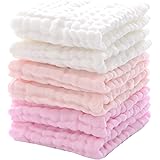
While a stack of washcloths is indispensable, their use during the meal should be approached thoughtfully. It is generally advised to avoid constantly wiping your baby’s face throughout the meal. Continuous wiping, especially around the mouth, can be irritating and distracting for the baby, potentially turning them off from eating. Imagine trying to enjoy a meal while someone is constantly dabbing at your face; it would undoubtedly be annoying.
Instead, washcloths should primarily be used for cleaning your baby after the meal has concluded. When wiping, a firm, confident stroke is more effective and less irritating than light, repetitive dabbing. Furthermore, parents should resist the urge to constantly scrape excess food from the baby’s chin. This practice can also be highly irritating and may lead to negative associations with the feeding experience. Allowing your baby to get messy is a crucial part of sensory exploration and learning about food textures.
The First Bites: How to Introduce Solid Foods
With readiness established and equipment secured, the actual process of introducing solid foods can commence. This initial phase is about gentle exploration and establishing positive habits, rather than focusing on significant caloric intake from solids.
Timing, Frequency, and Amount
Initially, solid food should be offered once a day. This allows your baby’s digestive system to gradually adapt to new foods and textures. The timing of this meal is also important: solid food should be offered *after* a milk feed or at a separate time. This ensures that breast milk or formula remains the primary source of nutrition, as it continues to fulfill the majority of an infant’s nutritional requirements until around nine months of age, at which point solids may begin to be offered before milk feeds. For instance, a baby might have their usual morning milk feed, and then an hour or two later, be offered a small portion of solids.
When selecting a time of day, a quiet and relaxed period is optimal. Mornings or midday often work best, as afternoons can frequently be more hectic, and babies might be fussier. Minimizing distractions by turning off televisions and other devices ensures that both you and your baby can focus on the mealtime experience, fostering a positive environment for learning to eat. Initially, a very small amount—perhaps one teaspoon of pureed food or a single piece of finger food—is sufficient. This quantity is gradually increased over time, always in response to your baby’s appetite.
The Art of Responsive Feeding
A fundamental principle in feeding infants is responsive feeding. This approach emphasizes that while parents are responsible for deciding *when* to offer food, *what* food to offer, and *where* to offer it, it is the baby’s responsibility to determine *how much* to eat, or even *if* they will eat at all. Parents often express concern that their baby is not consuming enough solid food. However, babies are naturally adept at self-regulating their hunger and fullness cues.
When your baby signals that they are full—by turning their head away, closing their mouth, pushing food away, or simply losing interest—it is crucial to respect these cues and stop offering food. Force-feeding can lead to negative associations with food and mealtimes, potentially contributing to fussy eating habits later on. Remember that an infant’s stomach is only about the size of their clenched fist; therefore, they do not require a large volume of food. Learning to eat is a process that unfolds over time, and a baby’s appetite can fluctuate significantly from meal to meal and day to day. As long as your baby is developing and growing well, it is highly probable that they are consuming adequate nutrition for their needs while starting solids.