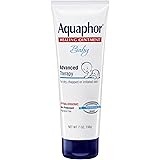
Are you worried about the products you put on your baby’s delicate skin? Watching the video above likely sparked concerns about whether your chosen baby lotion is truly safe for your little one. Many parents, myself included, assume that popular or “trusted” brands automatically provide the best and safest care.
However, as the video hints, even some well-known baby lotions can contain ingredients that fail safety tests, leading to potentially shocking results. Understanding what to look for, and what to avoid, becomes incredibly important when selecting the right products for your child’s sensitive skin.
Decoding Baby Lotion Safety: What You Need to Know
The quest for truly safe baby lotion is a common journey for new parents. We all want to protect our infants from harmful chemicals, but navigating ingredient lists can feel like reading a foreign language. It is essential to become an informed consumer, learning to identify potential irritants and dangerous substances lurking in baby care products.
Your baby’s skin is much thinner and more permeable than adult skin, making it more vulnerable to absorbing chemicals. This increased absorption means that ingredients in baby lotion, whether beneficial or harmful, can impact your baby’s system more significantly. Therefore, selecting a high-quality, safe baby lotion is not just about comfort; it is about protecting their long-term health and well-being.
Common Concerns: Ingredients to Watch Out For
When selecting a safe baby lotion, particular ingredients often raise red flags among pediatricians and dermatologists. These substances might cause skin irritation, allergic reactions, or even have more serious long-term health implications. Becoming familiar with these common culprits can help you make more informed decisions when browsing the baby care aisle.
For instance, some lotions contain parabens, which are preservatives used to prevent bacterial growth. While effective, parabens have been linked to hormone disruption and are a frequent topic of health debates. Similarly, phthalates are chemicals often used to make plastics more flexible and are sometimes found in fragrances, also raising concerns about endocrine disruption and reproductive health.
- Fragrances: Often a blend of undisclosed chemicals, artificial fragrances can be a major cause of skin irritation and allergic reactions in infants. Opt for fragrance-free or naturally scented options.
- Dyes: Synthetic colors added for aesthetic appeal serve no beneficial purpose for your baby’s skin. These can exacerbate sensitive skin conditions and contribute to allergies.
- Sulfates: Commonly found in cleansing products, sulfates can strip natural oils from the skin, leading to dryness and irritation. While less common in lotions, it’s good to be aware.
- Formaldehyde-releasing preservatives: Ingredients like quaternium-15 or DMDM hydantoin slowly release formaldehyde, a known human carcinogen and potent allergen. These are particularly concerning in leave-on products like baby lotion.
- Mineral Oil/Petroleum: These petroleum-based ingredients can create a barrier on the skin but might clog pores and don’t offer much in terms of beneficial nutrients for skin health.
The Benefits of Choosing a Natural and Hypoallergenic Baby Lotion
Opting for a natural and hypoallergenic baby lotion offers numerous advantages for your baby’s delicate skin. These products are specifically formulated to minimize the risk of allergic reactions and irritation, providing peace of mind for parents. Ingredients derived from plants often provide gentle nourishment and protection without harsh chemicals.
For example, ingredients like shea butter, coconut oil, and calendula extract are known for their moisturizing and soothing properties. They work to strengthen the skin’s natural barrier, much like a protective shield, helping to lock in moisture and protect against environmental irritants. These natural elements are often more compatible with sensitive skin, reducing the likelihood of adverse reactions.
A hypoallergenic formula means the product has undergone rigorous testing to ensure it is less likely to cause an allergic response. While no product can guarantee zero reactions, choosing hypoallergenic options significantly reduces the risk. This proactive approach helps maintain the health and comfort of your baby’s skin from birth onwards.
Smart Shopping: How to Identify Safe Baby Lotion Products
Navigating the overwhelming array of baby products requires a strategic approach. Learning how to read product labels and recognize reputable certifications can significantly simplify your decision-making process. Becoming a savvy shopper empowers you to select only the safest baby lotion options for your precious little one.
Think of reading a label like reviewing a nutritional fact panel for food; you want to understand all the ingredients. Always check the full list of ingredients, not just the front-of-bottle claims. Many brands may use appealing marketing terms like “natural” or “gentle” without necessarily backing them up with truly safe formulations.
Understanding Labels and Certifications for Sensitive Skin
Labeling can be a maze, but certain certifications and phrases provide valuable clues about a product’s safety. Look for specific seals from trusted organizations that independently verify product claims. These external validations often indicate a higher standard of ingredient sourcing and manufacturing processes.
For instance, terms like “fragrance-free” are distinct from “unscented”; fragrance-free means no fragrance chemicals were added, while unscented might still contain chemicals to mask odors. Seek out certifications such as the EWG Verified seal, which indicates products meet strict health standards, or certifications for organic ingredients. Pediatrician-tested and dermatologist-approved labels also offer a layer of reassurance that the product has been evaluated for sensitive skin suitability.
Remember that “natural” does not automatically mean safe, as some natural ingredients can also cause allergies. The best strategy is a combination of looking for specific absence of harmful chemicals and the presence of reputable certifications, all while considering your baby’s unique skin needs. Finding a truly safe baby lotion requires diligence, but it is an investment in your baby’s health.